Real Estate and the Federal Budget: Early Signs Emerging Across Australia’s Property Market
- Written by: The Times
Australia’s federal budget has landed, and while economists, investors and political strategists continue dissecting its long-term implications, the property industry is already searching for early signs of where the market may be heading next.
Real estate markets do not transform overnight. Property is slower moving than share markets and more deeply tied to consumer confidence, employment stability, migration, taxation policy and interest rates.
But even in the days immediately following the budget, certain themes are beginning to emerge.
The mood across much of the residential property sector appears cautiously optimistic — although not universally so.
Many industry participants believe the budget was designed to avoid destabilising housing markets while simultaneously positioning the Labor government as responsive to cost-of-living pressures. However, others warn that growing concerns about taxation, inflation and government spending may continue influencing buyer confidence throughout 2026.
The biggest immediate factor remains interest rates.
For many Australians, the federal budget matters less than the monthly repayment on their mortgage.
If inflation remains persistent and the Reserve Bank maintains a hawkish stance, borrowing capacity may remain constrained despite any budgetary relief measures. Property professionals understand this reality clearly: sentiment matters, but finance approval determines whether transactions actually occur.
Early signs in several capital cities suggest buyers remain active, particularly in tightly held middle-market residential areas.
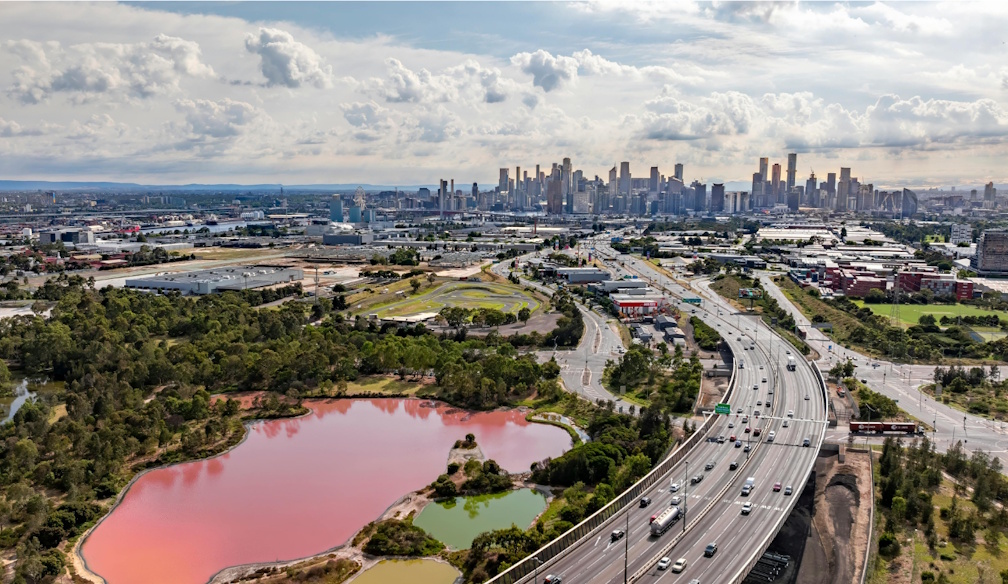
Sydney’s prestige market continues attracting high-net-worth buyers, although many agents report purchasers are becoming increasingly selective and cautious about overpaying. In Melbourne, some observers note stabilisation after a more subdued period, with family homes in established suburbs continuing to attract solid enquiry levels.
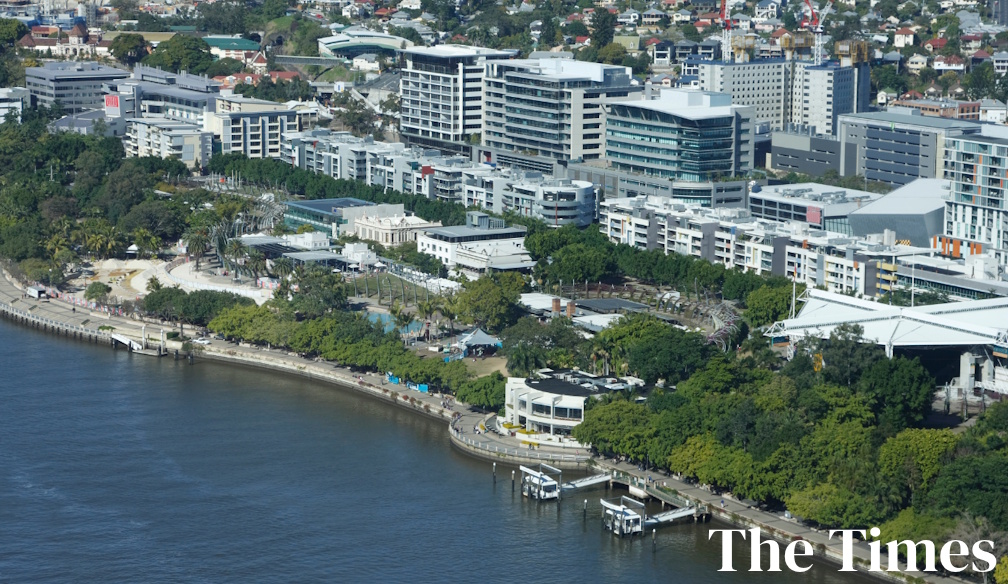
Brisbane remains one of the most closely watched markets in the country.
Interstate migration, infrastructure spending and long-term Olympic optimism continue supporting demand in southeast Queensland. Agents report that well-positioned detached housing remains highly sought after, especially among buyers relocating from southern states seeking comparatively better value and lifestyle advantages.
Perth also continues benefiting from resources-sector confidence and comparatively affordable housing relative to Sydney and Melbourne.
Adelaide and Hobart, meanwhile, remain examples of smaller capital city markets where supply constraints continue influencing prices despite broader economic uncertainty.
Industry leaders have responded to the budget with a mixture of relief, caution and frustration.
Property industry bodies broadly welcomed measures designed to support housing construction and infrastructure investment, arguing Australia desperately needs more housing supply to accommodate population growth and migration pressures.
However, many developers continue expressing concern about construction costs, planning delays, labour shortages and regulatory complexity.
Some developers argue that budgets often promise housing outcomes while failing to address the structural bottlenecks that make building new homes increasingly expensive.
Builders continue facing high costs for materials, insurance, finance and skilled labour. Those pressures inevitably flow through to buyers and renters.
Commercial property markets are also closely watching the budget’s implications.
Office markets in Sydney and Melbourne continue adapting to post-pandemic hybrid work realities. Premium-grade office assets remain relatively resilient, particularly in prime CBD locations, but secondary office space in some areas continues experiencing softer demand.
The industrial property sector, however, remains one of the strongest performing segments of the market.
Warehousing, logistics centres and distribution hubs continue benefiting from e-commerce growth, supply chain restructuring and increasing demand for fast delivery infrastructure. Investors continue viewing industrial property as comparatively defensive and attractive in uncertain economic conditions.
Retail commercial property presents a more mixed picture.
Large shopping centres anchored by supermarkets and essential services remain relatively stable, but discretionary retail businesses continue facing pressure from cautious consumer spending and online competition.
Hospitality venues, cafes and restaurants are also watching closely.
If households remain squeezed by mortgages, energy costs and inflation, discretionary spending may weaken further — directly affecting retail and hospitality tenancy performance.
One of the most politically sensitive issues emerging from budget discussions is taxation.
The debate surrounding wealth taxation, capital gains, superannuation changes and investment incentives is becoming increasingly important for property investors.
Many investors are now asking whether future tax settings could alter the attractiveness of property as a long-term wealth vehicle.
Property has historically occupied a special position within Australian culture and financial planning. Australians have long viewed real estate not merely as shelter, but as security, retirement planning and intergenerational wealth creation.
That perception remains powerful.
However, investors are increasingly attentive to signals from government regarding future tax policy.
Some fear additional taxes targeting wealth accumulation could eventually influence investment property ownership structures, family trusts or superannuation strategies tied to property assets.
Commercial property investors are especially sensitive to taxation settings because property valuations and yields are heavily influenced by investor confidence and long-term policy certainty.
Uncertainty itself can slow transactions.
When investors believe tax rules may change substantially, many pause and wait.
This creates a broader issue for the property market: confidence.
The federal budget may influence psychology as much as economics.
If households feel economically secure, they are more likely to upgrade homes, renovate properties or enter the market for the first time.
If businesses feel confident about the economy, they expand, lease office space and invest in commercial premises.
If investors feel tax settings are stable and predictable, they deploy capital.
The reverse is also true.
As the months following the budget unfold, several indicators will become increasingly important to watch.
Auction clearance rates across the capital cities will provide early insight into buyer confidence.
Housing finance approval data will show whether borrowing activity is strengthening or weakening.
Commercial leasing demand will reveal how businesses perceive broader economic conditions.
Rental vacancy rates will remain critical, especially as affordability pressures intensify.
And above all, the Reserve Bank’s interest rate decisions may ultimately matter more to the property market than almost any single budget announcement.
Because in Australian real estate, confidence may start conversations — but interest rates still determine what many buyers can actually afford.
For now, the early signs suggest the property market remains resilient, but highly sensitive.
The federal budget has not dramatically transformed the market overnight.
But it has reinforced an important reality for property owners, investors and buyers alike:
Australia’s real estate future will increasingly be shaped by the interaction between taxation, interest rates, supply shortages and confidence in the broader economy.