How Solar + Battery + Electricity Credits Work Together to Reduce Household Energy Bills in Australia
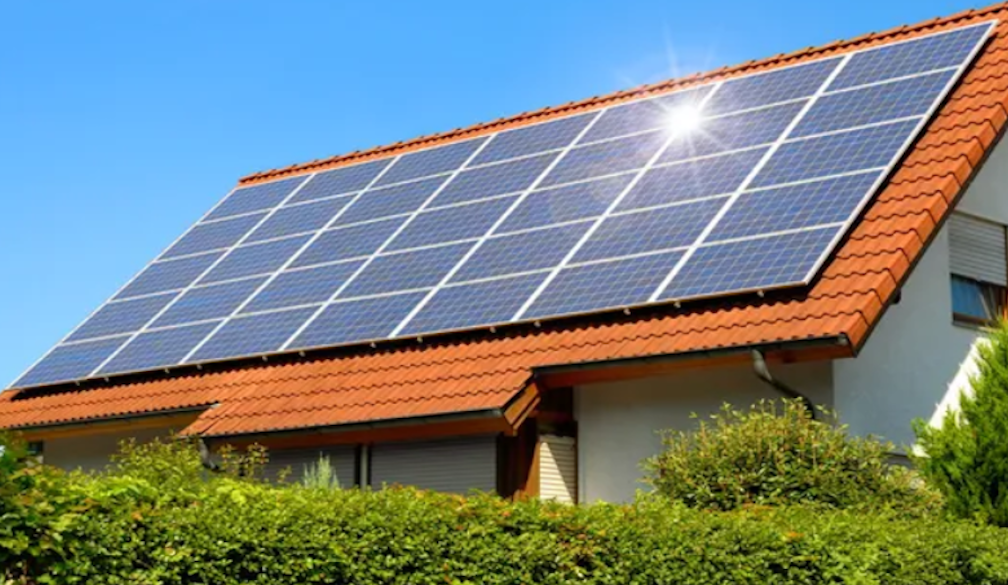
In Australia, more households are turning to solar and battery systems as electricity prices continue to rise.
While solar panels remain the foundation of most home energy setups, they are increasingly being combined with battery storage and incentive programs offered by providers such as Spiring Energy and others in the market.
Why solar alone is often not enough
Solar systems generate clean electricity during the day, helping reduce reliance on the grid. However, most households still face a few limitations:
- Energy is still required at night when solar is unavailable
- Excess solar energy is often exported at a relatively low value
- Electricity costs are typically higher during evening peak periods
Because of this, solar alone may not fully optimise long-term savings.
How battery storage improves energy efficiency
Home battery systems allow households to store unused solar energy during the day and use it later when demand and electricity prices are higher.
This helps:
- Increase self-consumption of solar power
- Reduce reliance on grid electricity during peak times
- Improve overall stability of energy costs
As a result, households often experience more consistent monthly savings compared to solar-only systems.
The role of electricity credit programs
In addition to solar and battery savings, some providers — including Spiring Energy — offer monthly electricity credit programs as part of their energy plans.
These credits provide additional value that can further reduce ongoing electricity bills on top of physical energy savings.
How the system works together
When these solutions are combined, they typically work in three layers to help households reduce and stabilise their electricity costs.
Step 1: Solar reduces daytime electricity usage
Solar panels generate electricity during the day, which directly reduces the amount of power a household needs to draw from the grid.
This provides the first layer of savings, especially during daylight hours when solar production is at its highest.
However, once the sun sets, households still need to rely on grid electricity, meaning solar alone does not fully control overall energy costs.
Step 2: Home battery storage increases total efficiency
Adding a home battery allows excess solar energy to be stored during the day and used later, particularly in the evening or during peak pricing periods.
Instead of exporting unused solar energy back to the grid for a relatively low feed-in tariff, households can:
- Store excess solar energy
- Use stored energy during higher-cost periods
- Reduce reliance on grid electricity
This significantly improves self-consumption and helps make electricity usage more stable and predictable over time.
Step 3: Electricity credits provide additional value
In some energy plans, including solutions offered by providers such as Spiring Energy, eligible customers may also receive monthly electricity credits.
These credits act as an additional layer of savings on top of solar generation and battery optimisation, further reducing ongoing electricity costs.
Why is this model becoming more common?
Compared to traditional solar-only systems, this combined approach is increasingly popular because it:
- Maximises the use of self-generated solar energy
- Reduces exposure to peak electricity pricing
- Improves long-term cost predictability
Final takeaway
For many Australian households, combining solar power, battery storage, and electricity credit programs — such as those offered by providers like Spiring Energy — represents a more complete approach to managing energy costs.
Instead of relying only on daytime solar production, this model helps optimise energy usage across the entire day and improves overall efficiency.