Mentoring - Raising a child is more than providing for one
- Written by: The Times
Food, shelter, safety and schooling are essential. But the guidance children receive about how to live may become the most enduring part of their inheritance.
Parenthood begins with immediate needs.
A baby must be fed, kept warm, comforted and protected. As children grow, the list expands: clothing, somewhere safe to live, medical care, schooling, transport, friendships and opportunities.
Meeting those needs can consume a household’s money, time and energy. For parents working long hours or managing difficult circumstances, keeping family life functioning is a substantial achievement.
Yet beneath all that practical work lies another responsibility, less easily measured and never quite finished.
A child needs help learning how to live.
How to treat another person. How to respond to disappointment. How to recognise a mistake and repair the damage. How to make a decision when the appealing choice is not the wise one.
We raise children through what we provide, but also through what we teach them to carry within themselves.
The education that happens at home
Formal education has a vital role. Teachers build knowledge, encourage curiosity and help children develop skills that open doors.
But schooling cannot carry the whole responsibility for preparing a person for life.
Children also learn by watching what happens in the kitchen, in the car, at the shops and during a disagreement. They notice how adults speak about people who are absent. They observe whether promises mean anything, whether anger excuses cruelty and whether someone with less money or influence receives the same courtesy as everyone else.
A parent may explain the importance of respect, then undermine the lesson by humiliating a waiter.
An adult may insist that honesty matters, then ask a child to repeat a convenient lie.
The opposite is equally powerful. A child who sees a parent admit an error witnesses something valuable: being wrong need not be a catastrophe, and taking responsibility need not diminish a person.
The lessons are unfolding even when nobody thinks they are teaching.
Mentoring means helping a child develop judgment
There is a difference between securing obedience and developing judgment.
Young children need clear instructions and boundaries. Safety sometimes requires an immediate, unquestioned response. But as children mature, they also need to understand the reasons behind decisions.
Why was that behaviour unfair? What might happen next? Who else would be affected? What could you do differently?
These conversations take longer than issuing an order. They can be inconvenient, particularly when everyone is tired.
Yet they help build the capacity a young person will eventually need when no parent is present.
The goal is an adult who can weigh consequences, recognise obligations and make thoughtful choices without waiting for instructions.
That requires opportunities to practise. Choosing how to spend a modest amount of money. Taking responsibility for a household task. Working through a manageable disagreement. Making a mistake and dealing with a proportionate consequence.
Protection matters. So does gradually giving a child room to become capable.
Children need guidance through disappointment
Parents naturally want their children to be happy. It can be painful to watch them excluded, disappointed or unsuccessful.
The temptation is to intervene immediately: challenge the decision, remove the obstacle, replace the lost opportunity.
Sometimes intervention is necessary. Bullying, abuse and unsafe situations require adult action.
But ordinary disappointment also belongs to life.
A child may miss selection for a team. A friendship may change. Another student may perform better. Something eagerly anticipated may prove unaffordable.
In those moments, mentoring involves acknowledging the feeling while helping the child decide what comes next.
“You are disappointed, and I understand why” can sit alongside “What can you do now?”
Over time, those conversations can help a young person learn that distress can be endured, support can be sought and another course of action is often available.
A child does not need every difficulty removed. They need help learning how to meet difficulty without losing their sense of worth.
Kindness and accountability belong together
Loving a child includes recognising when their behaviour needs to change.
That can be uncomfortable. It is easier to believe our own child was misunderstood, provoked or unfairly treated. Occasionally, that is exactly what happened.
At other times, they were unkind. They excluded someone. They damaged something. They acted selfishly or avoided a responsibility.
A child needs an adult who can listen fairly and still say: that was wrong, and you need to put it right.
Accountability works best when it addresses the behaviour without making the child feel that the behaviour defines them.
An apology, a repaired possession, a completed obligation or an honest conversation can teach more than humiliation.
The enduring lesson is that people remain worthy of love while being responsible for the harm they cause.
Ordinary time carries extraordinary lessons
Parents do not need to turn every family activity into a lecture.
Some of the most useful mentoring happens while doing something together.
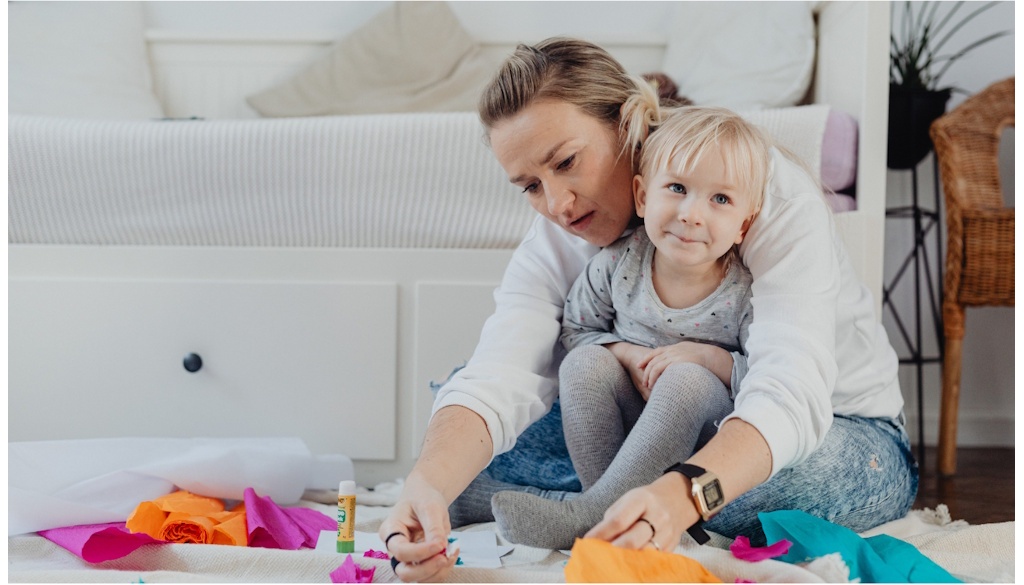
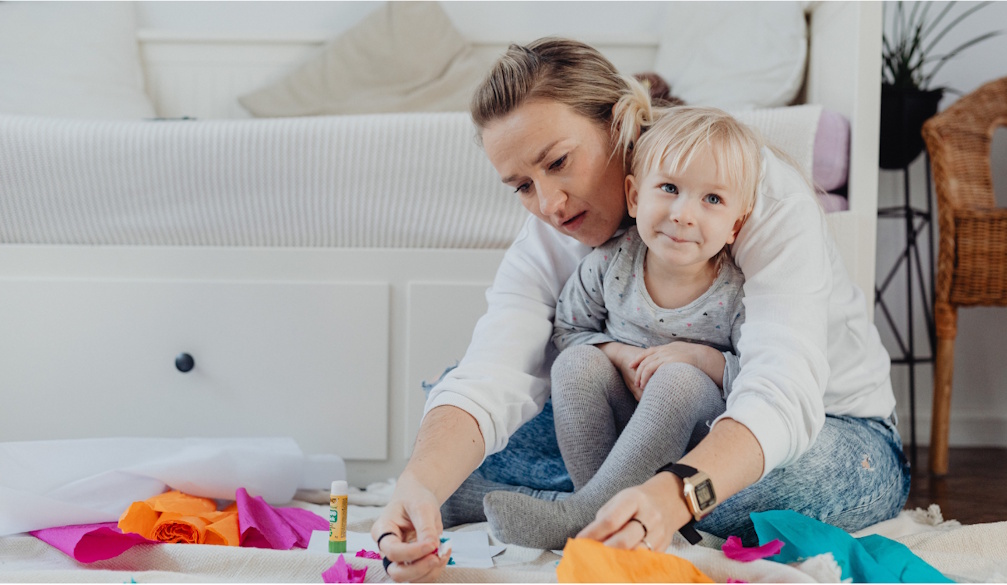
Preparing dinner teaches planning, patience, cooperation and the work involved in caring for others. Shopping creates opportunities to discuss price, value and the limits of a budget. Looking after a pet introduces duties that continue after the initial excitement has faded.
A shared project may reveal how to follow instructions, ask for help or start again after something goes wrong.
These moments also create space for conversation. A child may speak more freely while stirring a saucepan or sitting beside a parent in the car than when formally asked to explain what is troubling them.
Being available to listen is part of the work.
So is resisting the urge to deliver an immediate verdict. Sometimes an adult needs to understand the situation more fully before offering guidance.
The example includes how parents repair their own mistakes
No parent models patience, fairness and sound judgment every day.
Adults become tired. They speak sharply. They misunderstand. Their worries about money, work or relationships can enter conversations where they do not belong.
Children benefit when adults take responsibility for those moments.
“I spoke unfairly. I was frustrated, but that was not your fault” is a meaningful lesson.
It shows that authority can acknowledge error. It gives a child language they may later use in their own relationships.
The expectation of parental perfection is both unrealistic and unhelpful. What matters is the pattern a family returns to: listening, setting boundaries, showing affection, taking responsibility and trying again.
Growing up includes becoming different
Mentoring becomes more complicated as children develop their own opinions.
A young person may question family assumptions, choose an unexpected career, adopt different beliefs or imagine a life their parents would never have chosen.
That can test the distinction between guidance and control.
Parents can explain concerns, share experience and maintain reasonable boundaries while a child remains dependent on them. But the purpose of raising a person includes helping them develop an independent mind.
A child’s eventual agreement with every parental opinion is a poor measure of successful parenting.
More revealing is whether they can consider evidence, disagree respectfully, recognise manipulation and change their mind when there is good reason.
The relationship may endure more strongly when a young adult knows they can seek advice without surrendering ownership of their life.
An enduring responsibility, with changing boundaries
The mentoring role often continues long after childhood.
Adult children may seek guidance about work, relationships, money, loss or parenthood itself. A familiar voice can offer perspective when life becomes difficult.
But enduring care does not require permanent supervision.
As children become adults, advice increasingly needs to be offered with respect for their autonomy. Sometimes the useful contribution is a question. Sometimes it is practical help. Sometimes it is listening and allowing them to reach their own conclusion.
Nor can parents guarantee the outcome. Children have their own temperaments, experiences and choices. Peers, circumstances and other adults influence them too.
Parenthood carries profound responsibility, but no parent has complete control over the person a child becomes.
The inheritance that lasts
Providing for children matters deeply. Secure housing, nutritious food, healthcare and education give them foundations they should be able to rely upon.
Within and around those foundations, mentoring helps them build a way of living.
It can teach them to be useful without applause, to show consideration when it is inconvenient, to recognise when they need help and to understand that other people have lives as real and complicated as their own.
Much of that work receives no recognition at the time. Its value may become apparent years later, in a decision made quietly and without an audience.