Australia’s electric vehicle surge — EVs and hybrids hit record levels
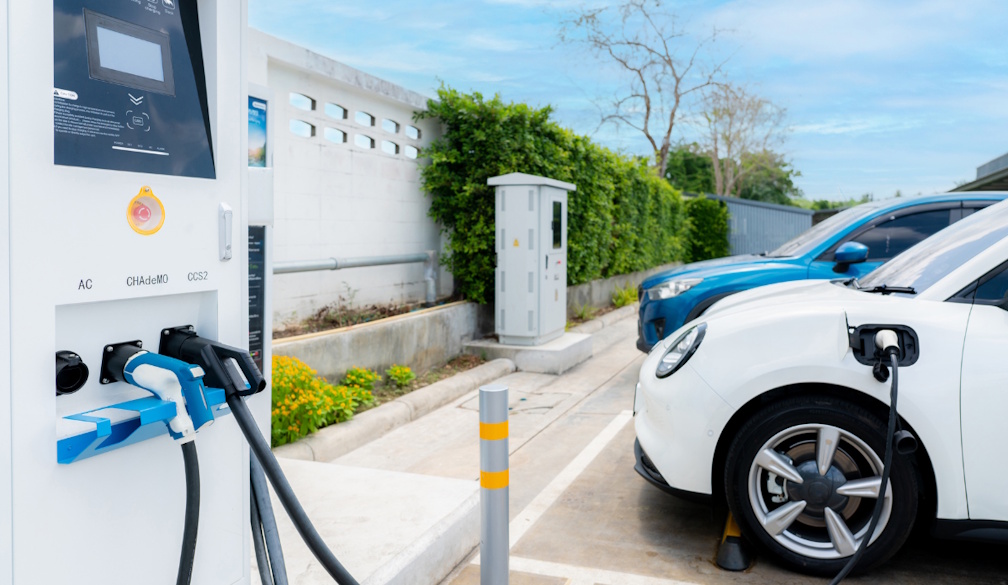
Australians are increasingly embracing electric and hybrid cars, with 2025 shaping up as the strongest year yet for zero- and low-emission vehicles. Recent industry data show a surge in uptake — and a significant shift in what drivers are buying.
Key numbers point to a turning point. In just the first half of 2025, Australians bought 72,758 battery electric vehicles (BEVs) and plug-in hybrids (PHEVs), a rise of 24.4% on the same period in 2024.
By mid-2025, EVs (BEV + PHEV) reached roughly 12.1% of all new car sales — up from under 4% in 2022.
Some months have even peaked above 15% market share.
Meanwhile, hybrid (and plug-in hybrid) models continue to complement the shift, creating a broader trend: for many Australians, low- or zero-emission motoring is no longer fringe — it’s mainstream.
What’s fueling the shift
✅ More cars, better choices
The number of EV models available in Australia has expanded rapidly. As of 2025, there are around 153 EV models on the market (94 BEVs and 59 PHEVs), up from significantly fewer a couple of years ago.
Greater choice — including more affordable and practical vehicles — is helping overcome the “niche-EV” barrier.
✅ Infrastructure and charging catching up
Public charging infrastructure is rising, with a growing network of public fast chargers and everyday charging options. As Australians — especially those in suburbs and regional areas — grow more confident about charging availability, EVs become a more viable alternative.
✅ Rising running costs and economic logic
With petrol prices volatile and cost-of-living pressures rising, more Australians are calculating the economics — and EVs/hybrids increasingly stack up on running-costs, maintenance and long-term value.
✅ Policy momentum — though uneven
While Australia doesn’t yet have a uniform nationwide EV mandate, recent reports and data have stirred interest among policymakers, manufacturers, and consumers.
State-by-state variation remains, but the national trend is unmistakable: demand for clean motoring is growing.
Why it still matters: bigger than just cars
The rise of EVs in Australia matters beyond the showroom — it plays directly into national policy goals around emissions, energy use, and urban planning. As EVs displace traditional internal-combustion vehicles (ICE), transport-sector emissions can reduce significantly — a vital contribution for Australia’s overall climate targets.
For families, small businesses, and everyday commuters, EVs and hybrids offer a way to cut lifetime transport costs while embracing more sustainable choices. And for media, urban planners and public policy — the shift signals real change in consumer behaviour, infrastructure needs, and environmental impact.
Challenges ahead — and what to watch
Despite recent progress, EVs (and hybrids) still represent a minority of all vehicles on Australian roads. Even though new-sales share is rising, the overall fleet turnover is slow — meaning petrol vehicles will remain common for years.
Infrastructure in many regions (especially rural and remote) remains patchy; long-distance driving and range anxiety still weigh on buyer confidence. Public charging networks are improving — but the pace and coverage vary widely.
Moreover, the mix between hybrids, plug-in hybrids and pure battery EVs means the “electrification” picture is complex. Not all buyers are going full-EV — for many, hybrids remain a pragmatic bridge.
What’s next — why 2026–2027 could be pivotal
-
As more manufacturers introduce affordable EV models and increase supply, the entry-point price of EVs may drop further — making them accessible to a broader slice of the population.
-
As public and home-charging infrastructure expands — with more chargers in city, suburban and regional areas — range anxiety will recede further.
-
As “fleet turnover” accelerates (older ICE cars replaced and fleets — private, business and rideshare — shift to EVs), the visible share of EVs on the road will rise, helping normalise the choice.
-
As government policy — on emissions standards, incentives, infrastructure funding — continues to evolve, EVs may move from “early adopters” to everyday mainstream purchase.
If momentum holds, 2026–2027 could mark a true tipping point — when EVs transition from “alternative” to “normal.”
Bottom line
For a country long associated with large petrol-driven cars, utes and long distances, the rapid growth of electric and hybrid vehicles is a major shift.
The numbers for 2025 show that EVs are no longer a niche: they’re climbing toward mainstream — and for many Australians, they’re now a serious, practical choice.
As supply, infrastructure and economics align, and as more Australians recognise the long-term benefits, the road ahead looks electric.