


Custom Homes vs Project Homes: What’s the Difference?
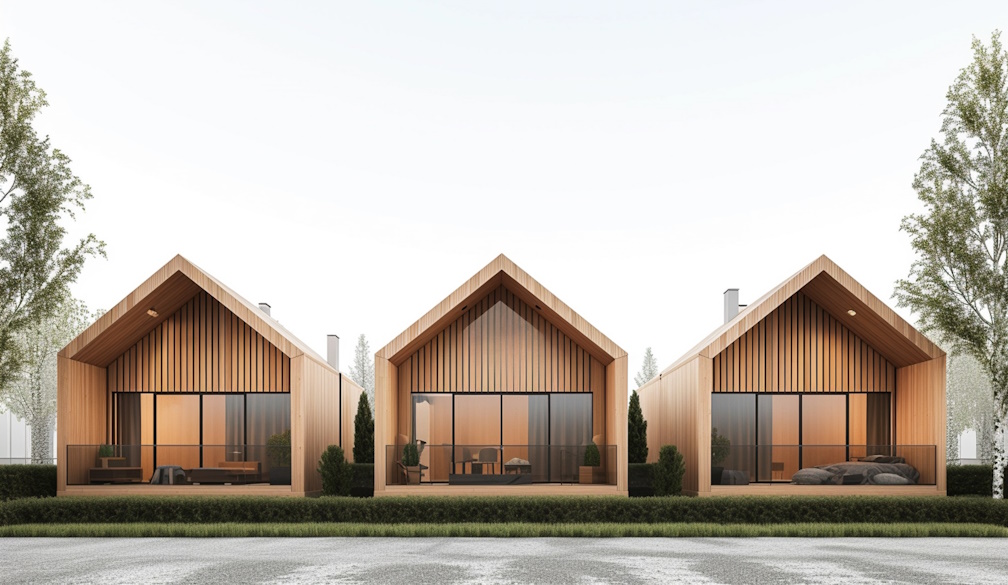
When building a new home, one of the first and most important decisions you’ll make is whether to build a custom home or choose a project home. Both options can lead to a beautiful, functional property, but they operate in very different ways in terms of design flexibility, cost structure, construction process, and long-term value.
For Australian homeowners—particularly those building in competitive housing markets—understanding the difference between these two approaches is essential before committing to a builder or design concept. Many people also find inspiration by exploring emerging design movements, such as the top custom home design trends in Melbourne for 2026, which highlight how personalised architecture and thoughtful layouts are shaping modern residential construction.
In this guide, we’ll break down the key differences between custom homes and project homes so you can make an informed decision that suits your lifestyle, budget, and long-term goals.
What Is a Custom Home?
A custom home is designed and built specifically for you. Rather than selecting a pre-existing floor plan, you work with architects, designers, and builders to create a completely personalised design tailored to your block of land, lifestyle, and preferences.
Everything—from the layout and orientation to the materials and finishes—is chosen with your needs in mind.
Key Characteristics of Custom Homes
Personalised design
Custom homes are created from scratch or heavily modified to reflect your unique requirements. You can influence everything from room placement and ceiling heights to window positions and outdoor living areas.
Adaptation to the block
If your land has unique features such as slopes, narrow frontage, or scenic views, a custom home can be designed to maximise those characteristics.
Higher level of design detail
Architectural features, bespoke joinery, premium materials, and innovative layouts are more common in custom builds.
Collaboration with designers
Custom home projects typically involve collaboration between homeowners, architects, building designers, and specialist builders.
Who Custom Homes Suit
Custom homes are often chosen by people who:
- Have a specific vision for their property
- Own unique or irregular blocks of land
- Want architectural features not available in standard home designs
- Value individuality and long-term design flexibility
What Is a Project Home?
A project home is built from a selection of pre-designed house plans created by volume builders. These homes are typically constructed in large housing estates or suburban developments where builders repeat similar designs across multiple properties.
Rather than designing a home from scratch, buyers select a floor plan and then choose from a range of pre-approved upgrades or finishes.
Key Characteristics of Project Homes
Pre-designed floor plans
Project builders offer a catalogue of home designs with limited structural modifications.
Standardised construction
Because the designs are repeated frequently, the building process is streamlined and efficient.
Display homes
Buyers can often walk through display homes to visualise the layout and finishes before building.
Lower starting cost
Project homes usually have lower base prices due to economies of scale and standardised materials.
Who Project Homes Suit
Project homes are often ideal for:
- First-home buyers
- Investors seeking efficient builds
- Families building in new housing estates
- Buyers who prefer a faster, more predictable building process
Design Flexibility: The Biggest Difference
The most significant distinction between custom homes and project homes is design flexibility.
Custom Homes
Custom homes offer virtually unlimited flexibility. Homeowners can:
- Adjust room sizes and layouts
- Design multi-level or unusual floor plans
- Integrate sustainable features
- Select unique materials and finishes
For example, a custom design might include:
- Internal courtyards
- Split-level living spaces
- Architectural façades
- Custom-built cabinetry
Project Homes
Project homes provide a set structure that can only be modified within certain limits. Buyers can typically choose:
- Different façade styles
- Upgrade packages for kitchens or bathrooms
- Alternative flooring and colour schemes
However, major structural changes—such as moving load-bearing walls or redesigning the floor plan—are usually not permitted.
Cost Differences
Budget plays a major role in choosing between a custom or project home.
Project Homes: Lower Base Cost
Project homes generally have a lower starting price because builders:
- Purchase materials in bulk
- Use standardised designs
- Streamline labour and construction processes
However, it’s important to remember that upgrades and add-ons can significantly increase the final price.
Custom Homes: Higher Initial Investment
Custom homes tend to cost more due to:
- Architectural design fees
- Bespoke materials and finishes
- Greater design complexity
- Specialised construction requirements
Despite the higher cost, many homeowners view custom builds as a long-term investment in lifestyle and property value.
Construction Timeframes
Another key difference lies in the construction timeline.
Project Homes
Because the designs are already finalised and construction processes are streamlined, project homes are often built faster.
Typical benefits include:
- Shorter planning phase
- Faster approvals
- Efficient construction schedules
Custom Homes
Custom homes generally require a longer design and planning phase before construction even begins.
This includes:
- Architectural design development
- Council approvals and permits
- Engineering documentation
- Design revisions
While this takes more time upfront, it often results in a more tailored and considered final outcome.
Quality and Materials
Quality can vary significantly depending on the builder in both categories, but the approach to materials often differs.
Custom Homes
Custom builders typically offer:
- Premium materials
- High-end fixtures and finishes
- Detailed craftsmanship
- Custom joinery and fittings
Because the project is designed specifically for the homeowner, there is greater flexibility in choosing materials that match both aesthetic preferences and durability requirements.
Project Homes
Project homes often rely on standard material packages to maintain efficiency and affordability.
While many builders offer upgrade options, the base inclusions may prioritise cost-effectiveness rather than bespoke finishes.
Land Suitability
Your block of land can also influence which option is more practical.
Project Homes Work Best For
- Flat blocks
- Standard suburban lots
- Master-planned estates
- Regular block dimensions
Custom Homes Are Ideal For
- Sloping sites
- Narrow blocks
- Irregularly shaped land
- Blocks with scenic views
Custom designs can maximise sunlight, privacy, and landscape features in ways standard project homes often cannot.
Long-Term Value and Resale
When it comes to property value, both types of homes can perform well depending on location, design quality, and market demand.
However, custom homes often stand out because they offer:
- Architectural individuality
- Higher-quality finishes
- Unique layouts
- Strong lifestyle appeal
Project homes, on the other hand, are sometimes built in neighbourhoods where many houses share similar designs, which can make them less distinctive in the resale market.
Which Option Is Right for You?
Choosing between a custom home and a project home ultimately depends on your priorities.
A project home may be the better choice if you want:
- A lower starting price
- A faster build process
- A simple, proven design
A custom home may be the better option if you value:
- Personalised design
- Architectural creativity
- Premium finishes
- A home tailored to your lifestyle
Both approaches can produce fantastic homes when executed by reputable builders. The key is to evaluate your budget, design preferences, land characteristics, and long-term plans before making a decision.
Final Thoughts
Building a home is one of the most significant investments many Australians will ever make. Whether you choose a custom home or a project home, understanding the differences between these approaches will help you navigate the building process with confidence.
Project homes offer efficiency and affordability, while custom homes provide unmatched flexibility and individuality. By carefully considering your needs, budget, and future plans, you can choose the path that leads to a home that truly reflects how you want to live.










