Korean Food and Longevity
- Written by: The Times
South Korean Food and Longevity: Why the World Is Suddenly Paying Attention
For years, people around the world associated South Korea with technology, K-pop, beauty products and fast economic growth. Now another export is attracting global fascination: Korean food and the belief that aspects of the traditional South Korean diet may help people live longer, healthier lives.
The discussion has accelerated online, across health podcasts, nutrition forums, lifestyle media and even investment circles connected to the food industry. The question being asked is straightforward: is there something special about the Korean way of eating?
The answer is more complicated than social media trends suggest, but there are genuine reasons nutrition experts are studying the South Korean diet with growing interest.
It Is Not One “Magic Food”
One of the biggest misunderstandings is the idea that there is a single Korean “superfood” responsible for longevity. There is no magical ingredient suddenly discovered in Seoul that guarantees a long life.
Instead, health researchers often point to a combination of habits that historically characterised many traditional Korean diets:
- Large amounts of vegetables
- Fermented foods
- Smaller portions of red meat
- Frequent seafood consumption
- Rice-based meals rather than ultra-processed foods
- Soup and side dishes instead of oversized main courses
- Lower sugar intake compared with many Western diets
- Shared eating culture encouraging slower meals
It is the broader dietary pattern that attracts attention, not one miracle ingredient.
Kimchi Is at the Centre of the Conversation
No discussion about Korean longevity can avoid Kimchi.
Kimchi — fermented vegetables, usually cabbage or radish combined with garlic, ginger, chilli and seasoning — has become one of the most discussed foods in global nutrition circles.
Supporters claim kimchi contributes to gut health because fermentation creates beneficial bacteria. Many nutritionists believe gut microbiome health may influence digestion, inflammation, immunity and potentially broader health outcomes.
Kimchi is also relatively low in calories while being rich in flavour, allowing meals to remain satisfying without relying heavily on fats or sugars.
That said, experts also note that some kimchi varieties can contain high sodium levels, meaning moderation still matters.
Fermentation Is the Key Theme
South Korean cuisine makes extensive use of fermented foods beyond kimchi.
Examples include:
- Doenjang
- Gochujang
- Fermented seafood products
- Pickled vegetables
Fermentation has existed for centuries as a practical preservation method, but modern science is increasingly examining its possible health benefits.
Many researchers now believe traditional fermented foods may help maintain gut bacteria diversity, something some studies associate with better long-term health outcomes.
This has become especially interesting in wealthy nations where highly processed diets dominate supermarket shelves.
The Korean Table Is Different
Traditional Korean meals also differ structurally from many Western meals.
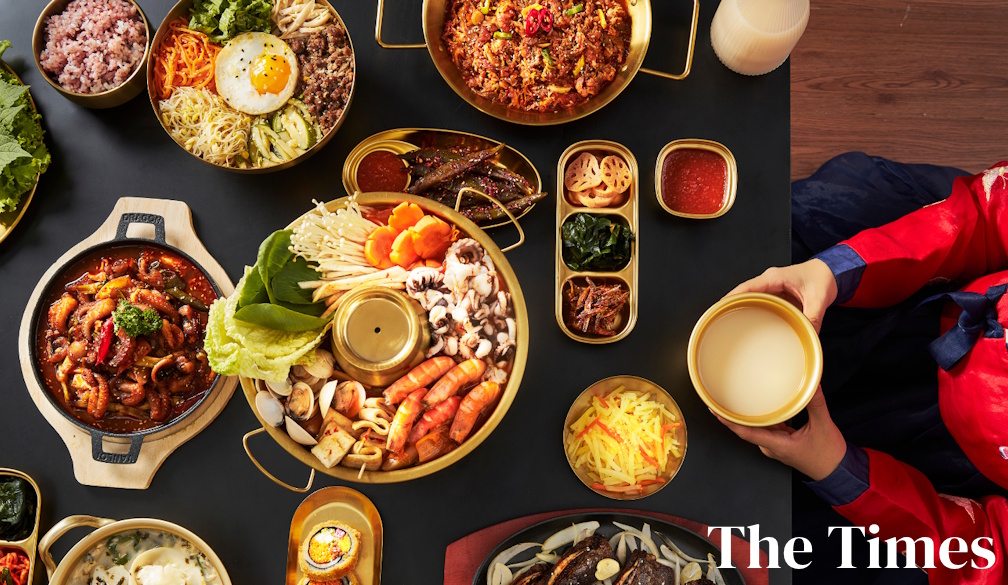
Rather than a single oversized plate dominated by meat and carbohydrates, Korean dining often involves multiple smaller dishes called “banchan.”
These may include:
- Vegetables
- Pickled foods
- Soup
- Rice
- Seafood
- Tofu
- Small meat portions
The effect is psychological as well as nutritional. Meals become varied and slower. Diners often consume smaller quantities of rich foods because there are many accompanying dishes.
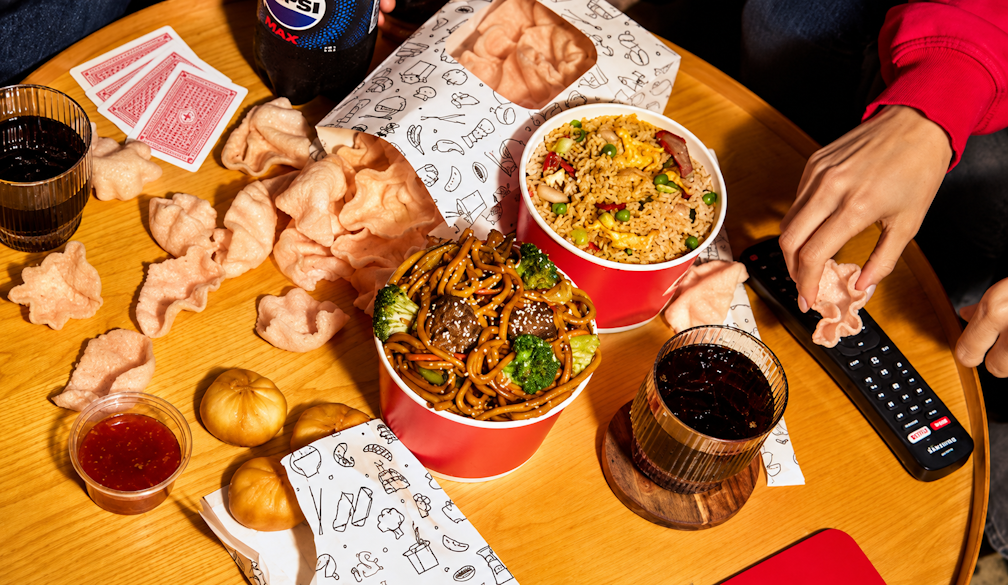
Contrast that with fast food culture, where meals can involve large servings of fried foods, sugar-heavy soft drinks and enormous portion sizes.
Why People Are Connecting It to Longevity
South Korea has experienced remarkable increases in life expectancy over recent decades.
While economic development, modern healthcare and education are major factors, researchers have also explored whether traditional dietary patterns played a role.
Many health analysts compare Korean food culture with other internationally praised eating systems such as:
- The Mediterranean diet
- Japanese cuisine
- Certain Nordic diets
Common themes emerge repeatedly:
- Less processed food
- Higher vegetable intake
- Seafood consumption
- Lower sugar dependence
- More balanced portion sizes
Importantly, these diets evolved long before modern calorie counting or wellness influencers existed.
But Modern Korea Is Changing
Ironically, some experts warn that younger South Koreans are moving away from the very eating habits now admired internationally.
Fast food chains, sugary beverages, processed snacks and convenience meals are increasingly common in urban South Korea.
Obesity rates and lifestyle-related illnesses have risen compared with previous generations.
In other words, the “longevity diet” discussion often refers more to traditional Korean eating habits than to every modern Korean lifestyle.
That distinction matters.
The Global Fascination with Gut Health
Another reason Korean food is trending is the explosion of interest in gut health.
Nutrition science increasingly focuses on the microbiome — the ecosystem of bacteria living in the digestive system.
This area remains scientifically complex and sometimes overhyped online, but there is growing evidence that gut health may influence:
- Digestion
- Immune response
- Inflammation
- Mood and mental wellbeing
- Metabolism
Fermented foods like kimchi fit naturally into that discussion.
As a result, Korean supermarkets, restaurants and food brands have seen global demand surge.
Australians Are Joining the Trend
Australia has enthusiastically embraced Korean cuisine.
In cities including Sydney, Melbourne and Brisbane, Korean restaurants and grocery stores are no longer niche businesses. Korean fried chicken, barbecue, kimchi and ramen are now mainstream dining options.
Many Australians initially discovered Korean food through entertainment and pop culture, but health discussions are now driving a second wave of interest.
Consumers increasingly want meals perceived as:
- Fresh
- Balanced
- flavourful
- less processed
Korean cuisine fits neatly into that modern demand.
Can Korean Food Really Extend Your Life?
That is where caution is needed.
No legitimate doctor can promise that eating kimchi or Korean barbecue will suddenly extend someone’s lifespan.
Longevity is influenced by many factors:
- Genetics
- Exercise
- Smoking and alcohol
- Stress
- Healthcare access
- Sleep
- Income and education
- Social connection
Diet is only one component.
Still, many nutrition experts agree on one point: replacing highly processed, sugar-heavy diets with meals rich in vegetables, fibre and fermented foods is generally a positive direction.
Traditional Korean eating patterns often align with that philosophy.
The Real Lesson
Perhaps the biggest lesson from the South Korean food discussion is not about copying one country’s cuisine exactly.
It is about remembering what many traditional food cultures once understood instinctively:
- Eat more real food
- Eat fewer ultra-processed products
- Use vegetables generously
- Avoid excessive sugar
- Share meals socially
- Do not rely on oversized portions for satisfaction
The modern world is now rediscovering principles many cultures practised for generations.
South Korea simply happens to be at the centre of the current conversation.