Interior Design Ideas for Open Plan Living Spaces
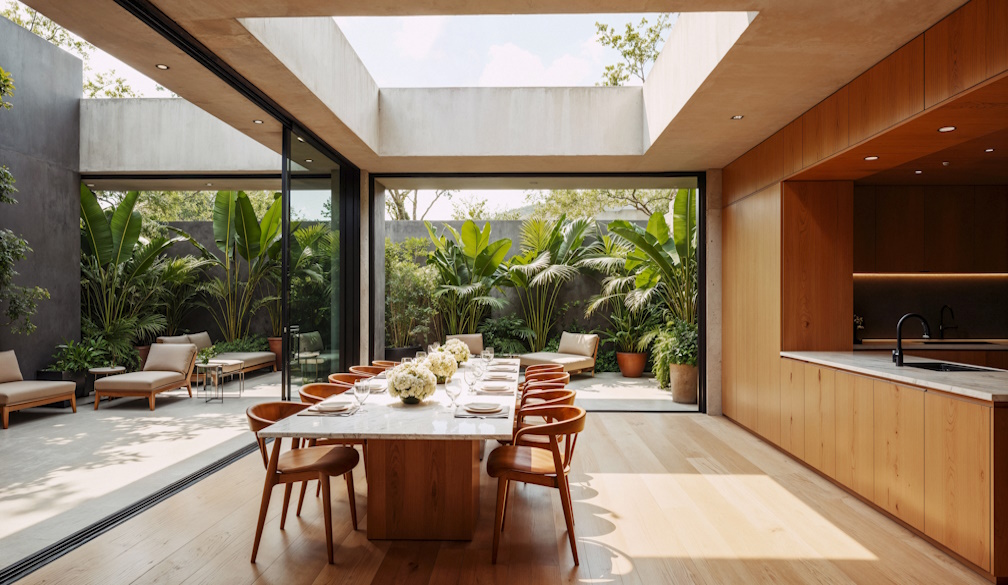
Open plan living has become one of the most popular layout choices in modern homes. By removing walls and creating fluid connections between kitchens, dining areas, and living rooms, open plan spaces promote natural light, social interaction, and a sense of spaciousness. However, designing these expansive areas effectively can present its own challenges. Without clear boundaries between zones, an open plan room can easily feel cluttered, disorganised, or lacking cohesion.
The key to successful open plan design lies in balancing flow with structure. Thoughtful planning, furniture placement, and colour coordination can transform a large, undefined area into a beautifully integrated living environment. For many homeowners, working with professionals who offer fixed-fee interior design services can also help bring clarity and direction to these multi-functional spaces.
Below are several interior design ideas that can help you maximise the style, functionality, and comfort of your open plan living area.
Define Zones Without Using Walls
One of the most important design strategies for open plan living is creating clear functional zones. Instead of physical walls, designers rely on subtle visual cues to separate spaces while maintaining an open feel.
Some effective ways to define zones include:
- Area rugs that anchor seating arrangements
- Different lighting fixtures for each space
- Furniture placement that forms natural boundaries
- Changes in flooring materials or textures
For example, a large rug can clearly establish the living room area, while a dining table with pendant lighting above signals a separate dining zone. These subtle distinctions help organise the room without interrupting its openness.
Use Furniture as Architectural Elements
In open plan layouts, furniture often plays the role that walls once did. Carefully positioned pieces can guide movement and visually divide spaces.
Consider using:
- Sofas placed with their backs facing the dining area
- Console tables behind couches
- Bookshelves or open shelving units as room dividers
- Kitchen islands that separate cooking and living zones
These pieces help create structure while maintaining visibility across the entire space. Open shelving is particularly effective because it offers separation without blocking light or sightlines.
Maintain a Cohesive Colour Palette
A consistent colour palette is essential in open plan interiors. Since multiple living functions share the same visual environment, too many competing colours can quickly make the space feel chaotic.
Instead, choose a base palette and carry it throughout the room. This might include:
- Neutral wall colours such as warm whites, soft greys, or natural beige tones
- Accent colours repeated across cushions, artwork, and décor
- Coordinated finishes for timber, metals, and fabrics
Maintaining visual consistency across zones ensures the entire area feels connected rather than fragmented.
Layer Lighting for Each Function
Lighting plays a significant role in defining areas within open plan spaces. Rather than relying on a single overhead light source, layering different types of lighting can enhance both ambience and practicality.
A well-designed lighting scheme may include:
- Pendant lights above kitchen islands or dining tables
- Floor lamps within the living area
- Under-cabinet lighting in the kitchen
- Wall sconces or accent lighting near artwork or shelving
By varying lighting styles and intensities, you can subtly highlight different zones while improving the functionality of each area using designer pendant lights.
Incorporate Texture for Visual Interest
Large open spaces can sometimes feel flat or sterile if they rely too heavily on minimal design. Introducing varied textures adds depth and warmth to the room.
Consider incorporating materials such as:
- Linen or boucle upholstery
- Timber furniture finishes
- Natural fibre rugs
- Stone or marble surfaces
- Soft wool throws and cushions
Combining different textures ensures the room feels inviting while preventing the design from appearing overly uniform.
Create a Strong Focal Point
A focal point helps anchor an open plan room and gives the eye somewhere to rest. Without one, the space may feel visually scattered.
Popular focal points include:
- A feature fireplace
- Large statement artwork
- A bold lighting installation
- An architectural kitchen island
- A striking shelving display
Once a focal point is established, surrounding furniture and décor can be arranged to complement it, creating a sense of order and harmony.
Balance Functionality with Style
Because open plan living areas often serve multiple purposes, functionality must remain a top priority. The space may need to accommodate cooking, entertaining, relaxing, working, and dining—all within one cohesive layout.
Smart design solutions can help maintain both practicality and style, such as:
- Built-in storage that keeps clutter hidden
- Multi-functional furniture like extendable dining tables
- Ottomans or benches that double as storage
- Durable fabrics that withstand everyday use
These elements ensure the space remains beautiful while supporting everyday living.
Use Vertical Space Strategically
Open plan rooms often feature high ceilings or expansive walls. Using vertical space effectively can enhance both design impact and storage capacity.
Ideas include:
- Tall shelving units or bookcases
- Vertical artwork arrangements
- Statement pendant lighting
- Floor-to-ceiling curtains
These features draw the eye upward, helping the space feel even larger and more visually balanced.
Introduce Greenery for Natural Balance
Plants are an excellent addition to open plan interiors. They soften hard lines, add colour, and bring a natural element into the home.
Larger plants can also help define zones. For example, a tall indoor plant positioned beside a sofa can subtly separate the living area from a walkway or dining space.
Popular indoor plant choices include:
- Fiddle leaf figs
- Rubber plants
- Olive trees
- Monstera deliciosa
Beyond aesthetics, plants also improve air quality and contribute to a calming atmosphere.
Personalise the Space
Finally, open plan living areas should reflect the personality and lifestyle of the people who live there. Incorporating personal touches helps transform a well-designed space into a truly welcoming home.
This might include:
- Family photos or personal artwork
- Unique décor collected from travels
- Books, ceramics, or decorative objects
- Textiles that reflect individual style
These personal elements add warmth and character while ensuring the space feels authentic rather than staged.
Bringing It All Together
Designing an open plan living space requires careful balance. The room must feel cohesive while still supporting different activities and functions. Through thoughtful zoning, cohesive colour palettes, layered lighting, and well-placed furniture, it’s possible to create an open plan interior that feels both spacious and harmonious.
Whether you’re renovating an existing layout or designing a new home from scratch, the right interior design approach can transform an open plan area into the heart of the home—an inviting space where cooking, relaxing, entertaining, and everyday life naturally come together.