Buying and Selling Houses in Brisbane: The State of the Market
- Written by: The Times
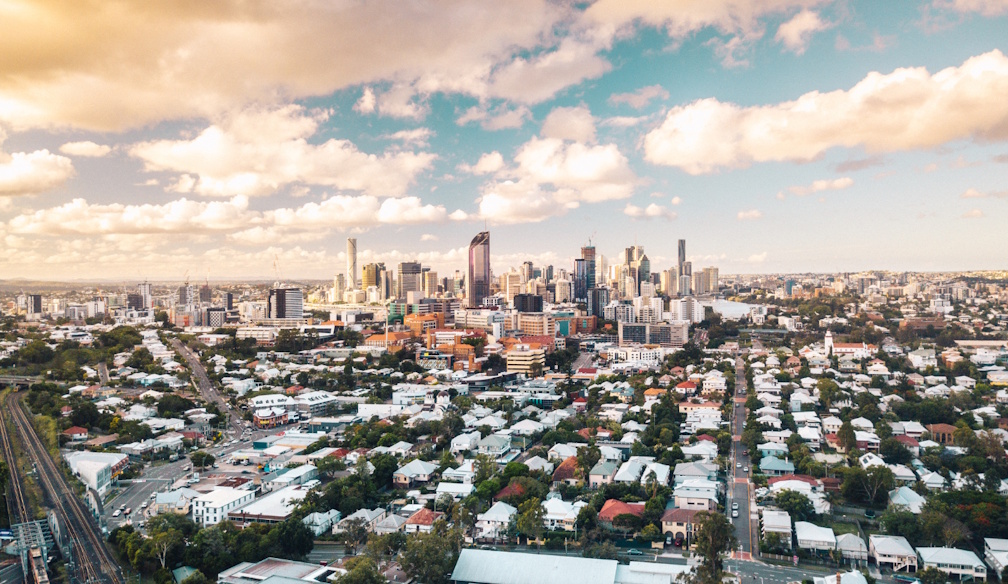
Brisbane’s property market has undergone a remarkable transformation. Once regarded as the affordable alternative to Sydney and Melbourne, it has evolved into one of Australia’s most competitive and closely watched housing markets. For both buyers and sellers, the landscape in 2026 is defined by strong fundamentals—but also by emerging signs of strain.
A Market That Has Boomed—And Is Now Evolving
Brisbane has delivered exceptional growth over the past several years. Median dwelling values have pushed beyond the $1.1 million mark, with annual growth rates sitting around 17–19% in recent data.
House prices have surged even higher, with medians around $1.2 million, while units—once overlooked—have become one of the fastest-growing segments, with annual increases exceeding 20%.
This growth has been driven by a combination of:
-
Interstate migration into Queensland
-
Limited housing supply
-
Relative affordability (compared with southern capitals)
-
Strong employment and infrastructure investment
However, the pace of growth seen in 2024–2025 is beginning to moderate. The market is not collapsing—but it is transitioning.
Supply and Demand: The Core Imbalance
At the heart of Brisbane’s housing story is a structural undersupply of homes.
Vacancy rates remain extremely tight—around 0.9%—indicating a rental market under significant pressure.
Listings for sale have not kept up with population growth, meaning buyers continue to compete for limited stock. This dynamic has supported price resilience even as borrowing conditions tighten.
For sellers, this has been a golden period. Properties—particularly well-presented homes in desirable suburbs—have often sold quickly and at strong prices.
For buyers, the same conditions have created urgency, competition, and frustration.
The Buyer’s Perspective: Opportunity Meets Constraint
Buying in Brisbane in 2026 requires a different mindset compared to even two years ago.
The challenges are clear:
-
Borrowing power is falling due to higher interest rates
-
Deposit requirements are increasing alongside prices
-
Competition remains strong in key suburbs
There are also early signs of buyer fatigue. Reports indicate that offers on properties have declined significantly in recent months as affordability ceilings are reached.
Yet opportunities still exist.
Units and apartments, for example, have become attractive entry points. Demand has surged in this segment as buyers seek affordability and investors chase yield.
Outer suburbs and growth corridors—such as Ipswich, Logan, and Moreton Bay—continue to deliver strong value growth and relative affordability.
For buyers who are strategic, flexible, and prepared, Brisbane still offers long-term upside.
The Seller’s Perspective: Still Strong, But More Nuanced
Sellers remain in a favourable position—but conditions are no longer as straightforward as they were during the peak of the boom.
Key realities for sellers include:
-
Pricing expectations need to be realistic
-
Buyers are more selective
-
Time on market may increase slightly
The days of automatic bidding wars are not guaranteed. Instead, presentation, location, and pricing strategy are becoming critical once again.
However, quality homes—particularly those that are renovated or move-in ready—continue to attract strong interest. This reflects broader national trends, where rising construction costs have pushed buyers toward established properties.
For sellers who understand the shifting sentiment, the market still offers excellent outcomes.
The Investor Influence
One of the defining features of the current market is the growing presence of investors.
Across Australia, investor borrowing has surged, even in the face of higher interest rates.
Brisbane, with its relatively strong rental yields and population growth, has become a key target.
This has several implications:
-
Increased competition for entry-level properties
-
Continued pressure on rents
-
A tilt toward long-term investment strategies
The rise of build-to-rent developments—such as major institutional investments in Brisbane complexes—signals a structural shift in how housing is delivered and owned.
Units vs Houses: A Shift in Preference
A notable trend in Brisbane is the relative outperformance of units.
Apartments are:
-
More affordable
-
Easier to rent
-
Increasingly in demand near the CBD and transport hubs
Recent sales highlight strong demand for inner-city units, even at high price-per-square-metre levels.
Houses, while still highly sought after, are increasingly out of reach for many buyers—driving this shift in preference.
The Outlook: Growth, But at a Different Pace
Forecasts for Brisbane remain positive, but more measured.
Most projections suggest:
-
House price growth of roughly 5–11% in 2026
-
Continued but slower growth into 2027
The key factors shaping the outlook include:
-
Interest rate movements
-
Inflation and economic uncertainty
-
Housing supply response
-
Population growth and migration
Importantly, there is little evidence to suggest a major downturn. The market is expected to stabilise rather than reverse, supported by strong underlying demand.
What It Means for Buyers and Sellers
For buyers:
-
Be prepared, pre-approved, and decisive
-
Consider alternative property types (units, townhouses)
-
Look beyond traditional “hot” suburbs
For sellers:
-
Price strategically rather than optimistically
-
Invest in presentation and marketing
-
Understand that buyers are becoming more selective
Final Word
Brisbane is no longer a secondary market—it is a major player in Australia’s property landscape.
The rapid price growth of recent years has created both wealth and barriers. Buyers face affordability challenges, while sellers navigate a market that is still strong but no longer effortless.
In simple terms, Brisbane in 2026 is a market defined by balance shifting—not collapsing. Opportunity still exists on both sides of the transaction, but success now depends on strategy, timing, and a clear understanding of where the market is heading next.