Recovering at Home After Surgery: The Role of Mobile Rehabilitation Services
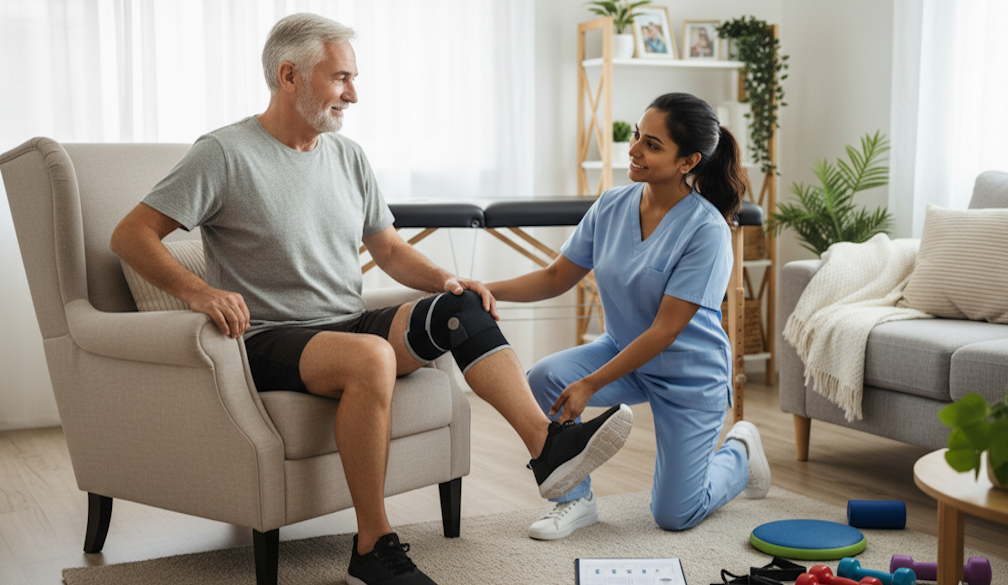
Recovering from surgery can be both physically and emotionally challenging. Whether it is a joint replacement, spinal procedure, fracture repair or another major operation, rehabilitation plays a critical role in helping patients regain strength, mobility and independence. For many Australians, recovering at home with the support of mobile rehabilitation services is becoming an increasingly popular and effective option.
After surgery, the body requires time, movement and guided care to heal properly. Rehabilitation helps patients restore function, reduce pain and prevent complications such as muscle weakness, stiffness and reduced mobility. Traditionally, patients would attend outpatient clinics for treatment, but home-based rehabilitation offers a more convenient and personalised alternative.
One of the biggest advantages of home rehabilitation is comfort. Recovering in a familiar environment often reduces stress and allows patients to focus more fully on their healing. Travelling to appointments shortly after surgery can be difficult, particularly for individuals with limited mobility, pain or fatigue. Receiving professional care at home removes these barriers and supports more consistent treatment.
Physiotherapists play a key role in post-surgical recovery. They create tailored exercise programs designed to improve strength, flexibility, balance and mobility based on the patient’s procedure and recovery goals. Exercises are gradually progressed to ensure safe and steady improvement throughout the rehabilitation process.
Joint replacement surgeries, such as knee and hip replacements, are among the most common procedures requiring physiotherapy. Rehabilitation focuses on restoring joint movement, rebuilding muscle strength and helping patients return to everyday activities safely. Early intervention is particularly important for achieving the best long-term outcomes.
Patients recovering from spinal surgery or fractures also benefit from guided rehabilitation. Physiotherapists help patients move safely, reduce stiffness and rebuild confidence in their mobility while monitoring for any complications or setbacks during recovery.
Another major benefit of home-based rehabilitation is the ability to assess how patients move within their actual living environment. Physiotherapists can identify obstacles, recommend equipment or suggest modifications that improve safety and reduce the risk of falls during recovery. This practical support can make a significant difference in helping patients regain independence sooner.
Services such as mobile physiotherapy also provide greater flexibility for family members and carers involved in the recovery process. Physiotherapists can educate carers on safe mobility assistance, transfers and exercises that support ongoing rehabilitation between sessions.
In addition to physical recovery, home rehabilitation often has a positive impact on emotional wellbeing. Patients who feel supported and confident in their progress are generally more motivated to stay engaged with their treatment plan. Consistency and encouragement can have a major influence on recovery outcomes.
Every surgical recovery journey is different, which is why personalised care is so important. Factors such as age, overall health, type of surgery and lifestyle all influence rehabilitation needs. A tailored approach ensures treatment remains focused on the individual’s goals and capabilities.
Recovering at home does not mean recovering alone. With the right rehabilitation support, patients can rebuild strength, improve mobility and return to their normal routines with greater confidence and independence.