The Biden Administration: Did The Inquiry Establish Who Was Making Decisions As Biden Declined?
- Written by: The Times
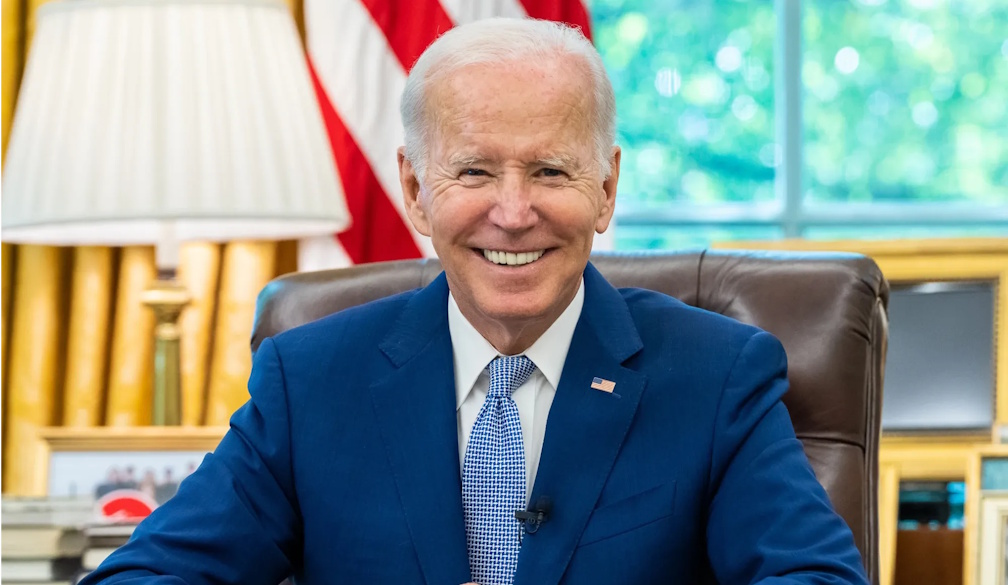
Questions surrounding former US President Joe Biden and his health while in office continue to dominate political discussion in America, particularly after intense scrutiny during the latter stages of his presidency and election campaign.
Critics, political commentators and some members of the Republican Party have repeatedly asked a confronting question: as Biden visibly aged and appeared increasingly fatigued in public appearances, who exactly was making the key decisions inside the White House?
The issue has become one of the most politically explosive debates in modern American politics because it strikes at the heart of presidential authority, transparency and public trust.
Concerns Grew Gradually
Questions regarding Biden’s age did not emerge suddenly.
Throughout his presidency, opponents pointed to verbal stumbles, awkward pauses, memory lapses and reduced public appearances as evidence that the president was slowing down. Supporters countered that Biden remained capable, experienced and effective despite the pressures of age.
However, after several high-profile appearances raised broader public concern, pressure mounted on the administration to provide reassurance regarding the president’s capacity.
That debate intensified dramatically during the 2024 campaign period when Biden’s public performances were analysed in extraordinary detail across television, social media and political commentary programs.
The Central Question
The core issue was not merely Biden’s health.
The larger concern became whether unelected officials, advisers or inner-circle figures were exercising excessive influence over executive decision-making while shielding the president from scrutiny.
Critics argued that modern presidencies already rely heavily on advisers, chiefs of staff, communications teams and policy specialists. But they claimed the Biden administration may have gone further, potentially creating a situation where gatekeepers controlled access, messaging and operational decisions to an unusual degree.
Some Republican lawmakers demanded inquiries into:
• Who Had Direct Access To The President
• How Frequently Biden Personally Reviewed Major Decisions
• Whether Staff Filtered Information
• Who Controlled Public Scheduling
• How Executive Decisions Were Authenticated
• Whether Cognitive Concerns Were Hidden From The Public
The issue became politically combustible because the presidency carries immense constitutional authority, including military command powers, foreign policy influence and economic decision-making.
Did The Inquiry Produce A Clear Answer?
Despite intense media attention and congressional pressure, critics argue that no single inquiry definitively established a simple chain of hidden control.
Instead, investigations and reporting painted a more complex picture of a highly managed White House operation — something that, to varying degrees, exists in most modern administrations.
Several themes emerged repeatedly:
• Senior Advisers Played Major Operational Roles
• Staff Carefully Managed Public Exposure
• Biden Relied Heavily On Longtime Confidants
• Decision-Making Processes Were Highly Structured
• Access To The President Was Tightly Controlled
However, no formal investigation conclusively established that another identifiable individual had secretly assumed presidential powers.
That distinction matters legally and constitutionally.
The American system does not prohibit presidents from relying heavily on advisers. In fact, every modern president operates through extensive bureaucratic and advisory structures.
The political question therefore became less about a literal “shadow president” and more about transparency regarding Biden’s condition and capacity.
The White House Response
The Biden White House consistently rejected claims that the president was incapable of performing his duties.
Officials argued that critics selectively amplified mistakes while ignoring successful legislative achievements, international negotiations and executive actions completed during Biden’s term.
Supporters also noted that aging affects communication style and physical energy differently across individuals and does not automatically indicate incapacity.
Democrats frequently accused political opponents of weaponising age concerns for electoral purposes.
A Modern Presidency Is Already Highly Managed
The controversy also highlighted a broader reality about modern government: presidents rarely govern alone.
White House operations are enormous and involve:
• Chiefs Of Staff
• National Security Advisers
• Cabinet Secretaries
• Legal Counsel
• Economic Advisers
• Communications Teams
• Intelligence Briefers
• Political Strategists
Every administration relies heavily on institutional systems and trusted personnel.
Some analysts argue the Biden debate exposed public discomfort with how modern executive power actually functions behind the scenes.
Televised politics often creates the impression that presidents personally direct every major decision moment-by-moment. In reality, modern governments are deeply collaborative and bureaucratic operations.
Public Trust Became The Real Casualty
Perhaps the most significant consequence of the controversy was its effect on public trust.
Many Americans felt the administration was not fully transparent regarding Biden’s physical and cognitive condition. Others believed media organisations were initially reluctant to investigate concerns aggressively enough.
That perception fuelled broader public scepticism toward political institutions, legacy media and government communication.
For Republicans, the issue became symbolic of elite political systems protecting themselves from scrutiny.
For Democrats, it highlighted the risks of allowing political opponents to dominate narratives surrounding age and capability.
A Debate That Will Shape Future Presidencies
The Biden controversy may permanently change how future presidential candidates are evaluated.
Questions regarding:
• Age
• Cognitive Health
• Medical Transparency
• Executive Capacity
• Staff Influence
• Media Accountability
are now likely to become far more prominent in American politics.
The broader lesson may be that voters increasingly demand visible proof that elected leaders remain fully capable of exercising the extraordinary powers entrusted to them.
In the end, the Biden debate was about more than one president. It reflected growing anxiety about transparency, power and trust in modern democratic government itself.