Pretty Woman: The Movie That Keeps On Giving
- Written by: The Times
Some films entertain audiences for a few months and quietly fade into cinematic history. Others become part of culture itself.
Pretty Woman is one of those rare films that simply refuses to disappear.
More than three decades after its release, the movie still attracts viewers across generations. It remains endlessly replayed on television, heavily streamed online and fondly referenced in popular culture. Younger audiences discover it for the first time while older viewers return to it with the same familiarity as a favourite song.
Very few romantic films achieve that kind of longevity.
The obvious question is: why?
Why does a film released in 1990 continue resonating in a world completely transformed by technology, culture and politics?
The answer lies in charm, fantasy, chemistry, storytelling and something deeper that audiences still crave — hope.
The Chemistry That Could Not Be Manufactured
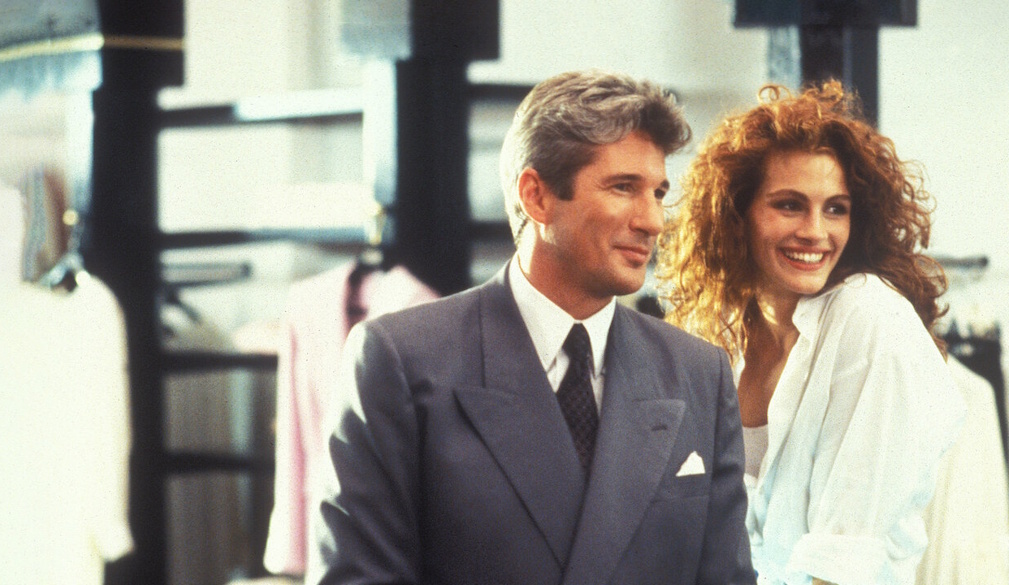
The film’s enduring popularity begins with its two stars: Julia Roberts and Richard Gere.
Hollywood has produced countless romantic pairings, but only a handful achieve genuine cinematic chemistry.
In Pretty Woman, the connection between the two leads feels effortless.
Roberts brought humour, vulnerability, intelligence and infectious charisma to the role of Vivian Ward. Her performance transformed her into one of the biggest stars in the world almost overnight.
Gere’s Edward Lewis, meanwhile, provided the polished, emotionally guarded corporate figure who slowly discovers that wealth and success are not substitutes for human connection.
The audience believes them together.
That matters enormously in a romantic film.
A Modern Fairytale
At its core, Pretty Woman functions as a modern fairytale.
A woman from difficult circumstances enters a world of luxury, sophistication and privilege. Along the way, both protagonists are transformed emotionally.
The structure echoes older storytelling traditions that audiences have embraced for generations.
Many critics and film historians compare the movie to My Fair Lady, which itself drew heavily from Pygmalion.
The parallels are obvious:
- Transformation
- Class differences
- Manners and presentation
- Emotional awakening
- The relationship between wealth and identity
But Pretty Woman ultimately stands on its own.
Unlike older versions of the “transformation” narrative, Vivian is not portrayed simply as someone needing rescue or refinement. She possesses humour, street intelligence and emotional clarity from the beginning.
In many ways, it is Edward who requires transformation.
That inversion helped make the story feel modern and emotionally balanced for audiences.
Escapism Still Matters
One reason the film continues to succeed is that audiences still crave escapism.
The world can feel exhausting:
- Economic pressure
- Political conflict
- Social division
- Constant digital noise
Films like Pretty Woman offer emotional relief.
Luxury hotels, elegant restaurants, Rodeo Drive shopping scenes and sweeping romance create a cinematic world audiences enjoy visiting repeatedly.
Importantly, the film never becomes overly cynical.
Modern entertainment sometimes mistakes darkness for sophistication. But audiences still respond strongly to warmth, optimism and emotional payoff.
The famous closing scenes continue working because viewers want them to work.
The Dialogue and Iconic Moments
The film also survives because it is remarkably quotable.
Scenes that have become permanently embedded in popular culture include:
- The Rodeo Drive shopping sequence
- The opera scene
- The necklace box moment
- The bathtub scene
- The final limousine rescue
Even people who have not seen the movie recently often remember the dialogue and emotional beats vividly.
That is the hallmark of a genuine cultural phenomenon.
A Snapshot of Another Era
Part of the film’s fascination today comes from its unmistakably early-1990s atmosphere.
The fashion, music, business culture, cars and Los Angeles setting now create a kind of cinematic time capsule.
Yet unlike many older films, it rarely feels dated in an unpleasant way.
Instead, viewers often experience nostalgia:
- Luxury without smartphones
- Romance before social media
- Human interaction without constant digital interruption
- Glamour presented with sincerity rather than irony
The soundtrack also remains highly recognisable, particularly Oh, Pretty Woman, which helped cement the film’s identity in popular memory.
Critics Still Debate the Film
Not everyone embraces the movie uncritically.
Over the years, some commentators have questioned aspects of the story’s romanticisation and social themes.
That debate itself may partly explain the film’s longevity.
Movies that entirely disappear from discussion usually lack cultural importance.
Pretty Woman continues generating discussion because it occupies a unique place between fairytale fantasy, romantic comedy and social commentary.
Audiences can interpret it differently depending on:
- Age
- Life experience
- Cultural attitudes
- Economic perspectives
- Views on romance itself
That flexibility helps keep the film alive across generations.
Romantic Comedies Rarely Dominate Like This Anymore
Another reason the film continues thriving is because Hollywood rarely produces romantic comedies with this scale of mainstream impact anymore.
For years, romantic comedies were major cinematic events.
Today, superhero franchises, streaming algorithms and franchise-driven filmmaking dominate much of the entertainment industry.
Many viewers miss:
- Character-driven storytelling
- Emotional sincerity
- Standalone romantic narratives
- Films built around chemistry rather than spectacle
That absence makes classics like Pretty Woman feel even more valuable in retrospect.
Why It Keeps Giving
Ultimately, the film keeps giving because it satisfies multiple emotional needs simultaneously.
It is:
- Funny
- Romantic
- Stylish
- Hopeful
- Escapist
- Emotional
- Familiar
- Comforting
Very few films balance all those elements successfully.
Audiences return to it because it offers emotional certainty in an uncertain world.
You know the journey. You know the ending. Yet the experience remains enjoyable every time.
That is rare.
Conclusion
Pretty Woman may draw inspiration from older transformation stories like Pygmalion and My Fair Lady, but its staying power comes from something distinctly its own.
It captured a perfect combination of charisma, fantasy, humour and emotional optimism at exactly the right cultural moment.
More than thirty years later, audiences still respond to it because human beings still want romance, transformation and hope.
In an entertainment landscape increasingly dominated by noise and spectacle, that may be precisely why the film endures.
If you have not watched it recently, perhaps it is time.
And if you have never seen it at all, there is a reason generations before you keep recommending it.