Homemade Food: Cheaper Than Takeaway, Healthier Than You Think — and Easier Than Ever
- Written by: The Times

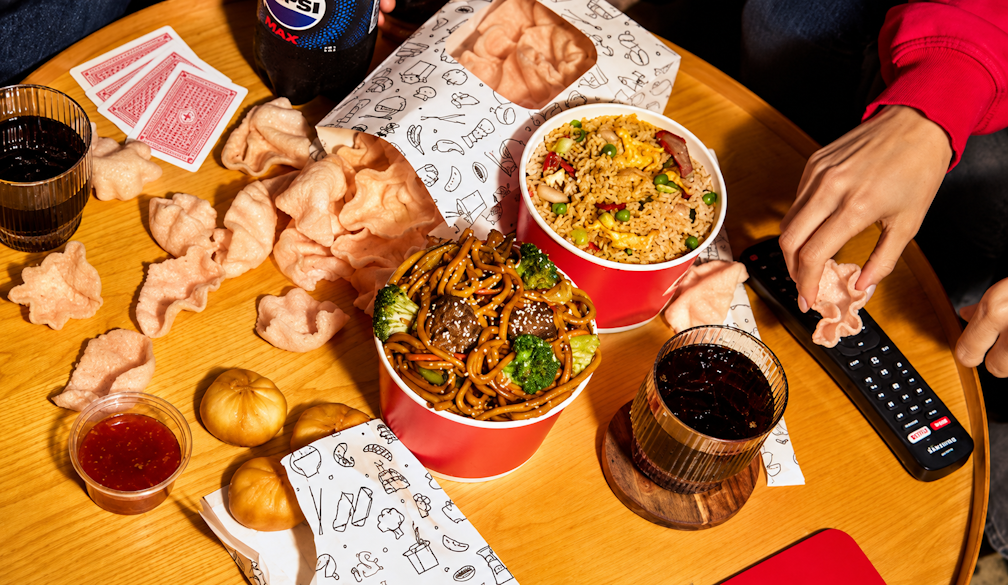
As the cost of living continues to bite across Australia, households are taking a harder look at everyday spending. One of the most immediate pressure points? Food. The convenience of takeaway and delivery has become part of modern life — but it comes at a price, both financially and nutritionally.
The alternative is hardly new, yet it is regaining momentum: cooking at home. Not only is homemade food significantly cheaper than most takeaway options, but it also gives you control over ingredients, portion sizes, and overall health. In a time when grocery prices are rising and discretionary spending is tightening, the humble home-cooked meal is proving to be one of the smartest financial and lifestyle decisions Australians can make.
The Real Cost of Takeaway
Let’s be direct about it. A single takeaway meal for one person in Australia can easily cost between $15 and $30. For a family of four, that’s $60 to $100 in a single sitting — often for food that is high in salt, sugar, and processed fats.
Compare that to a home-cooked meal where the total cost can be as low as $10–$20 for the entire household. Over a week, the difference can run into hundreds of dollars. Over a year, it becomes thousands.
And beyond cost, there is the issue of nutritional quality. Takeaway meals are typically engineered for taste and convenience, not health. High sodium levels, excessive oils, and hidden sugars are standard. Cooking at home removes that uncertainty.
Why Homemade Food Wins
The advantages of cooking at home extend well beyond price:
-
Cost control: Bulk buying and simple ingredients reduce per-meal costs dramatically
-
Health benefits: You choose what goes in — less salt, less oil, fewer additives
-
Portion management: Avoid oversized takeaway servings
-
Flexibility: Adjust meals to dietary needs and preferences
-
Leftovers: One meal often becomes two or three
There is also a psychological benefit. Preparing meals can become routine, structured, and even enjoyable — a counterbalance to the fast-paced, convenience-driven habits that dominate modern life.
Inexpensive Meals That Deliver Value
You don’t need to be a chef to cook well at home. Some of the most cost-effective meals are also the simplest. Here are practical, affordable options that Australians can rotate through the week.
1. Spaghetti Bolognese (Budget Version)
A staple for good reason. Using mince, canned tomatoes, onion, garlic, and dried herbs, this meal can feed a family for under $15.
Cost-saving tips:
-
Use half mince, half lentils to stretch the protein
-
Buy pasta in bulk
-
Make a large batch and freeze portions
2. Chicken and Vegetable Stir-Fry
Quick, versatile, and far healthier than most takeaway equivalents.
Ingredients:
-
Chicken breast or thigh (thigh is cheaper)
-
Frozen or fresh mixed vegetables
-
Soy sauce, garlic, ginger
Serve with rice, and you have a complete meal at a fraction of takeaway cost.
3. Homemade Fried Rice
One of the best ways to use leftovers.
What you need:
-
Day-old rice
-
Eggs
-
Frozen vegetables
-
Small amounts of meat (optional)
This dish costs very little and can be adapted endlessly. It’s also faster than ordering delivery.
4. Slow Cooker Stew
Perfect for colder months and ideal for tougher, cheaper cuts of meat.
Why it works:
-
Minimal effort — set and forget
-
Bulk cooking reduces cost per serve
-
Highly filling and nutritious
Throw in potatoes, carrots, onions, and stock, and let time do the work.
5. Baked Potatoes with Fillings
Simple, filling, and extremely cheap.
Topping ideas:
-
Cheese and beans
-
Sour cream and chives
-
Leftover meat or vegetables
Potatoes remain one of the most cost-effective foods available.
6. Omelettes and Egg-Based Meals
Eggs are one of the best-value protein sources on the market.
Quick options:
-
Vegetable omelette
-
Scrambled eggs on toast
-
Frittata using leftovers
These meals are fast, inexpensive, and nutritionally balanced.
7. Homemade Pizza
Surprisingly affordable when made from scratch.
Base options:
-
Pre-made bases
-
Flatbread or wraps
Add tomato paste, cheese, and whatever toppings are on hand. You control cost — and quality.
Strategic Cooking: How to Reduce Costs Further
Cooking at home becomes even more effective when approached strategically.
Plan Your Meals
Know what you’re cooking before you shop. This reduces impulse buying and food waste.
Buy in Bulk
Staples like rice, pasta, canned goods, and frozen vegetables are significantly cheaper when purchased in larger quantities.
Embrace Leftovers
Cook once, eat twice. This is where real savings occur.
Use Seasonal Produce
Fruit and vegetables are cheapest — and best — when in season.
Limit Food Waste
Australians waste billions of dollars in food every year. Using what you buy is one of the easiest ways to improve household finances.
The Health Dividend
Beyond savings, the health benefits of homemade food are substantial. Reduced intake of processed foods can lead to:
-
Lower blood pressure
-
Better weight management
-
Improved energy levels
-
Reduced long-term health risks
In a healthcare system already under pressure, prevention through better diet is not just personal — it has national implications.
Changing Habits in a Convenience Economy
The challenge is not knowledge — most people understand that cooking at home is better. The real barrier is habit. Convenience culture, driven by delivery apps and time constraints, has reshaped how Australians eat.
But the economic reality is beginning to force a reset.
Cooking at home does not require hours in the kitchen. With planning and a handful of simple recipes, it becomes routine. Over time, it shifts from being a chore to a system — one that saves money, improves health, and restores control over one of life’s most fundamental needs.
Final Word
Homemade food is not a trend — it is a return to fundamentals. In an environment where takeaway prices continue to rise and household budgets are under strain, the logic is hard to ignore.
Cook at home, and you will spend less.
Cook at home, and you will likely eat better.
Cook at home consistently, and the benefits compound — financially, physically, and mentally.
For many Australians, the kitchen may once again become the most important room in the house.