How healthy are the hundreds of confectionery options and soft drinks
- Written by: Times Media
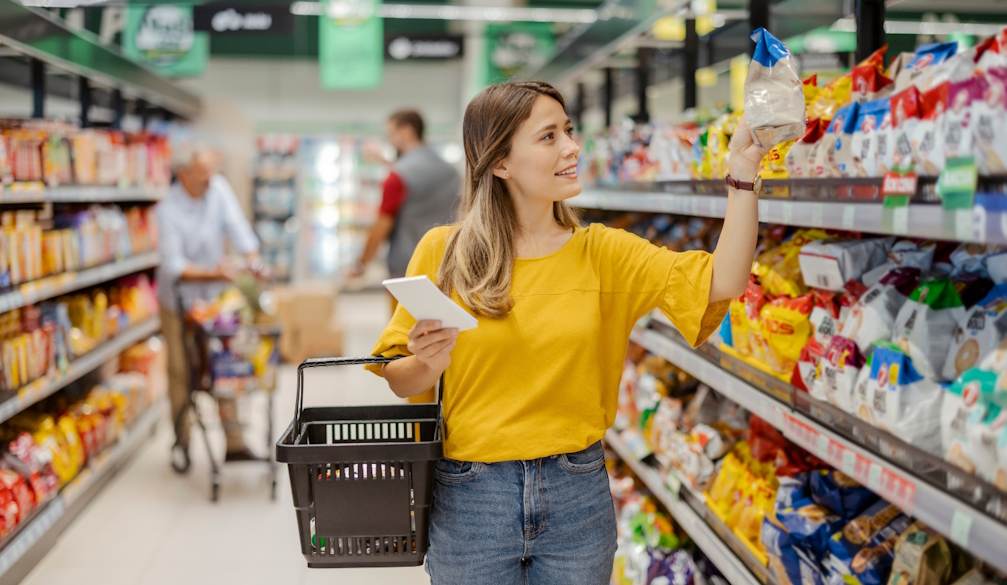
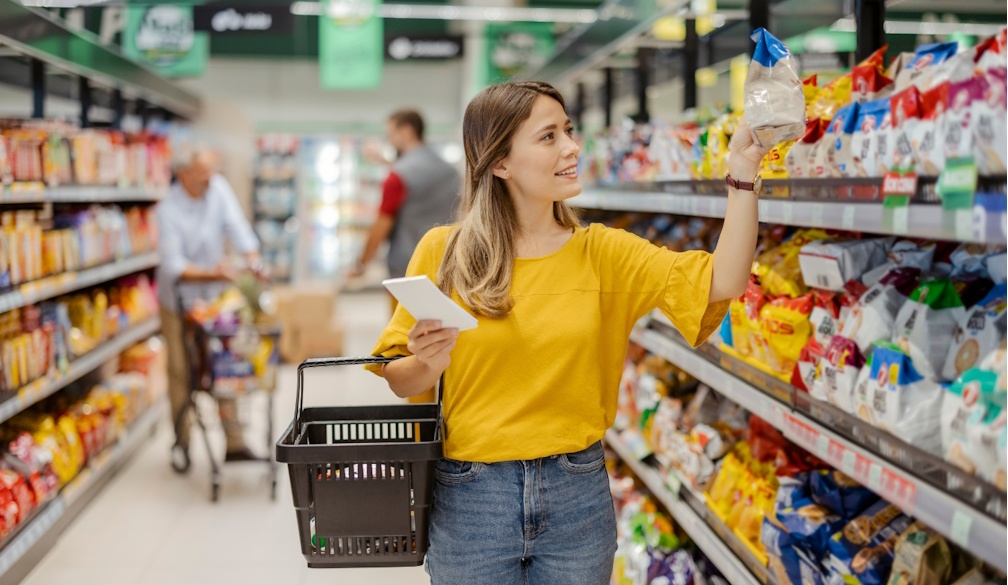
Walk into any big Australian supermarket and the first thing that hits you isn’t the smell of fresh bread or the neatly stacked veggies – it’s walls of chocolate bars, lolly bags, energy drinks and two-litre bottles of cola staring you down from prime real estate: checkouts, aisle ends and big “value” displays.
So how healthy are the hundreds of confectionery options and soft drinks that dominate these spaces? Short answer: not very – and the way they’re placed makes it even harder for shoppers to resist.
A supermarket environment built for sugar
Public health researchers now talk about the “food environment” – the way shops, pricing and marketing shape what we actually eat, often more than willpower does.
In supermarkets, those “hot zones” – checkouts, end-of-aisle displays and special islands – are overwhelmingly stocked with energy-dense, nutrient-poor snacks and drinks. An audit of Melbourne supermarkets found snack foods like chocolate, confectionery and soft drinks heavily concentrated in these locations, particularly in more disadvantaged suburbs, and warned this exposure likely contributes to obesity levels.
Impulse buys are a huge part of the picture. One analysis of grocery shopping behaviour found that unplanned purchases can account for up to 62% of supermarket sales and as much as 80% in particular product categories – exactly the sort of categories that dominate checkouts and aisle ends.
In other words, the layout isn’t neutral. It is engineered to push products that nutrition experts consistently rate among the least healthy in the store.
What’s actually in these products?
Confectionery: tiny serve, huge hit
Most chocolates, lollies and chewy sweets on those racks share a familiar profile:
-
Very high in added sugar (often 40–70 g per 100 g)
-
High in saturated fat (chocolate especially)
-
Almost no fibre or protein
-
Minimal vitamins or minerals
-
Often multiple additives for colour, flavour and texture
Under systems like Australia’s Health Star Rating, which scores foods from 0.5 to 5 stars based on nutrients and risk factors, most confectionery items sit at the very bottom of the scale because they are high in kilojoules, sugar and/or saturated fat with almost no positive nutrients to offset this.
A couple of “fun-size” pieces might not sound dramatic, but portion creep is real. It’s common for a “share bag” bought on special at the end of an aisle to be consumed by one or two people in a single sitting.
Soft drinks: liquid sugar in a big bottle
Regular soft drinks are effectively sugar solutions with bubbles and flavour. Systematic reviews link sugar-sweetened beverages (SSBs) with:
-
Weight gain and obesity
-
Type 2 diabetes
-
High blood pressure and cardiovascular disease
A recent analysis estimated that sugary drinks contribute to millions of new cases of diabetes and heart disease globally each year.
Like confectionery, soft drinks are almost always ultra-processed: products with minimal whole food content and multiple additives, as defined by the widely used NOVA classification system. Ultra-processed foods – including carbonated soft drinks and confectionery – have been linked with higher risks of obesity, heart disease, certain cancers and higher all-cause mortality.
One striking clinical trial published recently found that eating a diet high in ultra-processed foods caused measurable negative effects on weight, cardiometabolic health and hormonal markers within just three weeks, even when total calories were controlled.
Soft drinks are among the clearest “red flag” items in this broader group.
Why does placement matter so much?
It’s tempting to think: “Those aisles don’t matter – people can just choose differently.” The evidence suggests it’s not that simple.
Checkouts and kids’ eye-level
Checkouts are classic “pester power” zones: you’re captive in a queue, often with tired kids at the end of a long shop. The Melbourne supermarket audit found checkouts, aisle ends and “island” displays were particularly saturated with snack foods that can trigger impulse buys.
When some supermarkets experimented with removing confectionery from checkouts and improving the positioning of fruit and vegetables elsewhere in the store, a natural experiment in the UK showed shoppers bought healthier items overall, without the store losing money.
In Australia, Woolworths has committed to removing “kids’ confectionery” from checkouts and dedicating 80% of checkout shelf space to products rated 3.5 Health Stars or higher – essentially a move away from lolly walls to nuts, water and other comparatively healthier options.
The fact that such changes are being celebrated as progress highlights how unhealthy the default environment has been.
End-of-aisle deals and “value” messaging
End-of-aisle displays and big pallet stacks are magnets for promotions. Research shows these displays strongly influence what goes into the trolley, especially for impulse categories like snack foods and drinks.
When half-price promotions are plastered across multipacks of chocolate or 24-can soft drink slabs, shoppers feel they’re saving money, even if they weren’t planning to buy those items at all. From a health perspective, that “bargain” can translate into weeks of extra sugar in the house.
Are there any “healthier” options in that wall of treats?
Not all packaged products are equal, and some experts caution against treating every ultra-processed item as equally harmful. A recent critical review of NOVA points out that some ultra-processed products – such as fortified wholegrain cereals or certain dairy products – can have neutral or even beneficial health effects, and that nutritional composition still matters.
Within the confectionery and drinks space, though, the news is less rosy.
Sugar-free soft drinks
Sugar-free or “diet” soft drinks remove the large sugar load, which is helpful for weight and blood glucose. However, reviews suggest high intakes of artificially sweetened beverages may still be associated with higher risks of some cardiometabolic conditions, although the evidence is more mixed and confounded by the fact that people at higher risk often choose these drinks.
From a practical standpoint:
-
Better than regular soft drink for your teeth and blood sugar
-
Still not equivalent to water or unsweetened drinks in most public health guidance
“Better-for-you” confectionery
In recent years we’ve seen:
-
High-protein chocolate bars
-
“No added sugar” or “keto” lollies
-
Products sweetened with polyols or non-nutritive sweeteners
These can trim down sugar or boost protein, but they’re often still ultra-processed, energy-dense and engineered to be over-eaten. For most people, they’re best thought of as slightly tweaked treats, not health foods.
The health picture: what does all this add up to?
When you combine:
-
High availability of confectionery and sugary drinks
-
Strategic placement in high-traffic, high-impulse zones
-
Constant price promotions
…you get a supermarket environment that nudges households towards higher intake of free sugars and ultra-processed foods.
High consumption of sugar-sweetened beverages and ultra-processed products has been linked to:
-
Higher rates of overweight and obesity
-
Increased risk of type 2 diabetes and hypertension
-
Greater incidence of heart disease and premature mortality
Recent commentary in leading medical journals argues that, whatever the debate about definitions, sugary drinks and confectionery are among the clearest examples of ultra-processed foods with strong evidence of harm – making them logical first targets for policy.
What are supermarkets doing – and is it enough?
Australian supermarkets have begun to respond to pressure from health advocates:
-
“Healthier checkout” policies (like Woolworths’ removal of kids’ confectionery)
-
More prominent nutrition labelling and voluntary use of the Health Star Rating system
-
Reformulation efforts in some product ranges (e.g. reducing sugar in certain private-label soft drinks)
But independent assessments of the supermarket sector still conclude that unhealthy foods and drinks are heavily promoted, that marketing to children remains an issue, and that price promotions disproportionately favour less healthy products.
In other words, some edges are being softened – but the basic business model still leans heavily on moving large volumes of confectionery and sugary drinks.
So how healthy is that wall of confectionery and soft drinks?
Putting the evidence together:
-
Nutritionally:
-
Most confectionery and regular soft drinks deliver large amounts of sugar (and often saturated fat), very few beneficial nutrients, and are clearly linked to higher risk of obesity, diabetes and heart disease.
-
Sugar-free counterparts may reduce sugar load but are not health drinks and should be seen as occasional, not everyday, choices.
-
-
From a food-processing perspective:
-
These products are classic ultra-processed foods, and high consumption of this category is associated with worse health outcomes, including higher all-cause mortality.
-
-
From an environmental/behavioural perspective:
-
Their dominance of prime supermarket spaces – checkouts, aisle ends, big displays – is designed to drive impulse purchasing, not to support healthy eating.
-
The bottom line: the hundreds of confectionery and soft drink options that populate prime supermarket spaces are among the least healthy products in the store, and the way they’re promoted makes over-consumption the default.
What might a healthier supermarket look like?
Public health experts often suggest relatively simple shifts that don’t ban anything, but change the default:
-
No confectionery or sugary drinks at checkouts, especially at kid-level
-
Aisle-end promotions prioritising items with higher Health Star Ratings
-
Limits on multi-buy and deep-discount promotions for high-sugar snacks and drinks
-
Clearer, front-of-pack labels and fewer child-targeted characters on confectionery and soft drink packaging
Evidence from trials suggests that when retailers make these changes, shoppers’ baskets shift in a healthier direction without destroying profits.
Until those ideas become the norm, the healthiest stance for shoppers is to treat those dazzling displays for what they are: aggressive marketing for discretionary products, not guidance about what belongs in the regular family shop.