Times Media Group launches four new Australian local publications for Cairns, Byron Bay, Airlie Beach and Noosa
- Written by: The Times
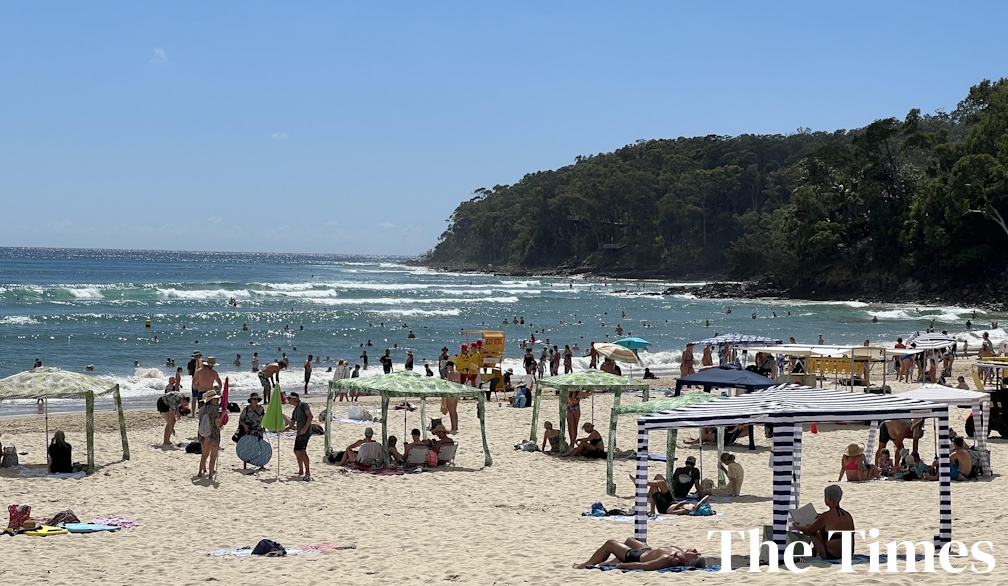
ByronBay.au, TheCairnsTimes.com.au, AirlieTimes.com.au and NoosaTimes.com have been launched as part of an expanding network of independent local and destination publications serving residents, businesses and visitors.
Times Media Group has announced the launch of four specialist Australian regional websites designed to provide useful, accessible and enduring information about some of the country's best-known destinations.
The new publications are:
- ByronBay.au — covering Byron Bay and the surrounding Northern Rivers region.
- TheCairnsTimes.com.au — covering Cairns and Far North Queensland.
- AirlieTimes.com.au — covering Airlie Beach, the Whitsundays and surrounding communities.
- NoosaTimes.com — covering Noosa and the wider Noosa region.
Each publication has its own local identity and editorial focus while forming part of the broader Times Media Group network.
The objective is straightforward: to create genuinely useful local publications for the people who live in these communities and for the millions of Australians and international visitors who travel to them.
Local information with a long life
While breaking news has an important place in local publishing, the new websites have been developed with a strong emphasis on useful, evergreen information.
Readers can expect articles covering places to visit, things to do, local communities, accommodation, food and dining, property, business, events, transport, day trips, natural attractions and the characteristics that make each destination distinctive.
Rather than information disappearing from relevance as soon as a news cycle ends, many articles are designed to remain useful months and years after publication.
A visitor planning a trip should be able to use the sites before arriving.
A local resident should be able to discover something new about their own region.
A business considering investment should be able to gain a better understanding of the local economy.
And someone considering moving to the region should find information that goes beyond the traditional tourism brochure.
ByronBay.au
ByronBay.au has been developed as an online publication dedicated to one of Australia's most recognised destinations.
Its coverage extends beyond Byron Bay's beaches to the community, businesses and experiences that give the region its identity.
Articles explore accommodation, dining, shopping, surfing, walking, surrounding towns, local attractions, events and practical information for visitors.
The publication also looks beyond the centre of Byron Bay to destinations throughout the surrounding Northern Rivers region.
The aim is not simply to tell readers that Byron Bay is worth visiting. It is to help them understand and explore it.
The Cairns Times
TheCairnsTimes.com.au provides a dedicated publication for Cairns and the extraordinary region surrounding the tropical city.
Cairns is much more than a gateway to the Great Barrier Reef.
The Cairns Times explores the city itself as well as its waterfront, northern beaches, islands, neighbouring communities and the remarkable destinations accessible from Cairns.
That editorial territory can extend from Fitzroy Island and Green Island to Palm Cove, Port Douglas, Kuranda, the Atherton Tablelands and the tropical landscapes of Far North Queensland.
The publication is intended to be useful both to people who call Cairns home and those discovering the region for the first time.
Airlie Times
AirlieTimes.com.au focuses on Airlie Beach and the Whitsundays.
The Whitsundays are internationally associated with sailing, islands, the Great Barrier Reef and Whitehaven Beach, but there is considerably more to the region.
Airlie Times explores the communities, businesses and experiences on both land and sea.
Coverage includes Airlie Beach, Cannonvale, Shute Harbour, Proserpine, the Whitsunday Islands and the broader mainland region.
For visitors, it provides ideas for experiencing the destination.
For residents, it provides a publication focused on the place in which they live.
For local businesses and organisations, it provides another platform through which the Whitsundays can be represented to Australia and the world.
Noosa Times
NoosaTimes.com has been created around the distinctive identity of Noosa.
Its coverage encompasses Noosa Heads, Hastings Street, Noosaville, Sunshine Beach and surrounding communities and attractions.
The publication explores beaches, national parks, the Noosa River, dining, accommodation, shopping, property, events and the many experiences available throughout the region.
Noosa attracts visitors from across Australia and overseas, but it is also a substantial permanent community.
Noosa Times has therefore been designed for both audiences.
It is a visitor resource without being merely a tourism website and a local publication without limiting itself exclusively to conventional local news.
An invitation to the communities we cover
Times Media Group invites submissions relating specifically to the locations covered by these publications.
Local organisations, community groups, tourism operators, businesses, event organisers, industry specialists and people with genuine knowledge of their region are welcome to submit material for editorial consideration.
Submissions should have a clear connection with the relevant publication and provide information or perspectives likely to be useful to its readers.
Submission does not guarantee publication. Material may be edited, independently checked or declined in accordance with the group's editorial requirements.
The publications are particularly interested in discovering stories, places, events and local knowledge that may otherwise receive little attention outside their immediate communities.
Four publications — and more to come
The launch of ByronBay.au, TheCairnsTimes.com.au, AirlieTimes.com.au and NoosaTimes.com represents another stage in the development of Times Media Group.
Each website is being built individually rather than as a generic template populated with interchangeable local content.
Byron Bay is different from Cairns.
Cairns is different from Airlie Beach.
Airlie Beach is different from Noosa.
Their publications should reflect those differences.
At the same time, they share a common purpose: to provide useful information about a place for the people who live there and the people who want to experience it.
More specialist local and regional publications are planned as the network continues to develop.
The objective is not simply to create more websites.
It is to build useful publications, one destination at a time.
About Times Media Group
Times Media Group is an Australian digital publishing network operating independent news, business, regional, rural, lifestyle and destination publications.
Its expanding local publishing network combines current information with substantial evergreen coverage designed to remain useful beyond the daily news cycle.
ByronBay.au, TheCairnsTimes.com.au, AirlieTimes.com.au and NoosaTimes.com are now live.
For locals, they are places to discover more about home.
For visitors, they are places to begin exploring.
And for the communities they cover, they provide another opportunity to tell their stories.