What the Federal Budget Really Does About Fuel Prices
For millions of Australians already struggling with rising living costs, one question loomed large after the federal budget was delivered:
Will fuel become cheaper?
For commuters, tradies, transport operators, regional families and small businesses, petrol and diesel prices are not abstract economic figures.
They shape household budgets every single week.
And when prices rise sharply, Australians feel it immediately.
At the school run.
At the supermarket.
At the freight depot.
At the family dinner table.
The federal budget promised cost-of-living relief in several areas — but many motorists searching for direct fuel relief were left disappointed.
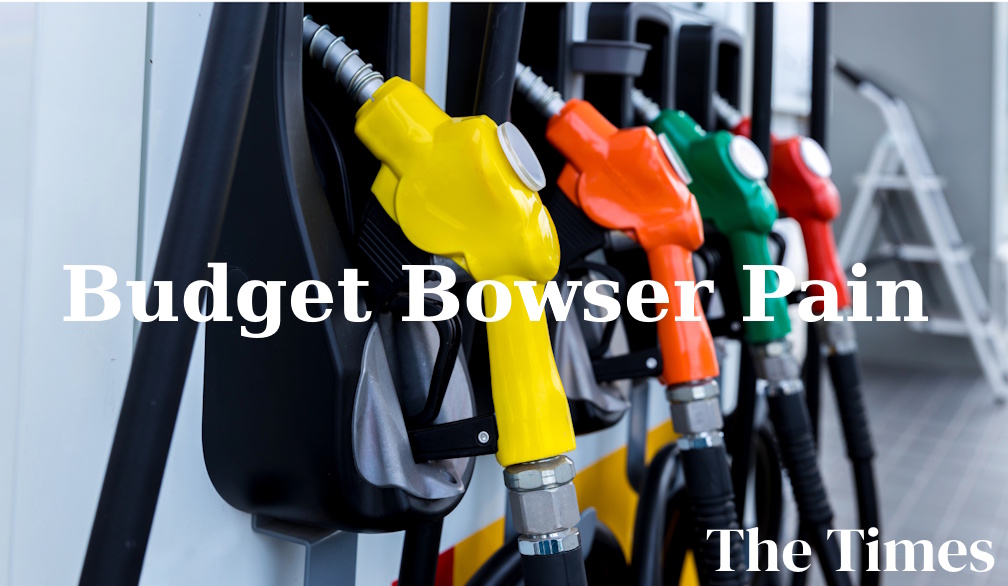
Because despite political rhetoric surrounding affordability, the budget stopped well short of major intervention at the petrol bowser.
Australians Were Hoping for Relief
There was widespread speculation leading into the budget that the government might:
- reduce fuel excise
- pause indexation
- introduce temporary fuel rebates
- provide regional transport assistance
- support freight operators more aggressively
Those hopes reflected growing public anxiety over transport costs.
Fuel prices affect almost everything in the Australian economy.
If diesel prices rise:
- freight becomes more expensive
- groceries become more expensive
- construction becomes more expensive
- farming costs increase
- tradespeople charge more
- delivery fees rise
Fuel is not just about motorists.
It is one of the hidden engines of inflation itself.
Did the Budget Reduce Fuel Excise?
No.
The government did not announce a broad reduction in fuel excise in the federal budget.
That decision immediately became controversial among some opposition politicians and motoring groups.
Australians remember the temporary fuel excise reduction introduced during earlier inflationary pressures.
That measure lowered petrol prices temporarily but also reduced government revenue significantly.
This time, Labor chose not to repeat it.
Why Didn’t the Government Cut Fuel Taxes?
There are several reasons.
1. Revenue Matters
Fuel excise raises billions of dollars for the federal government.
That revenue contributes toward:
- roads
- infrastructure
- transport projects
- general government spending
Reducing fuel excise creates an immediate budget hole.
At a time when governments are already managing:
- rising debt
- infrastructure costs
- healthcare spending
- defence spending
- housing initiatives
Treasury appears reluctant to surrender major revenue streams.
2. Inflation Concerns
The government also fears inflationary consequences.
Large fuel subsidies can stimulate broader economic activity and consumer spending.
Economic policymakers remain highly focused on avoiding measures that may keep inflation elevated.
The Reserve Bank’s interest-rate strategy continues shaping government thinking.
Labor wants to avoid policies critics could accuse of being inflationary.
3. Energy Transition Politics
There is also a longer-term political issue at play.
Governments globally are attempting to encourage transitions toward:
- electric vehicles
- lower emissions
- reduced fossil fuel dependence
Aggressively subsidising petrol consumption can conflict with climate policy goals.
This creates political tension.
Australians still overwhelmingly rely on petrol and diesel vehicles.
Yet governments simultaneously promote decarbonisation strategies.
The Government’s Position: Indirect Cost Relief
Labor argues the budget still helps motorists indirectly.
The government points to:
- energy rebates
- tax relief measures
- infrastructure spending
- public transport investment
- broader inflation management
The argument is essentially:
if overall household pressure eases, families may better absorb fuel costs.
Critics say that argument provides little comfort at the petrol station itself.
Regional Australia Feels Fuel Pain Most
Fuel prices hit regional Australians particularly hard.
Unlike inner-city residents, many regional households:
- drive longer distances
- lack viable public transport
- depend on utes and diesel vehicles
- travel extensively for work
Farmers, transport operators and regional tradespeople often cannot reduce fuel usage significantly.
That means higher prices directly erode profitability and household finances.
Regional communities increasingly argue city-based policymakers underestimate the importance of affordable fuel outside metropolitan areas.
Small Businesses Are Under Pressure
Across Australia’s small business sector, fuel remains one of the largest operational costs.
Transport companies face constant volatility.
Tradespeople absorb rising vehicle expenses.
Delivery businesses see margins shrink.
Some businesses attempt to pass costs onto consumers.
Others absorb losses to remain competitive.
The result is a broader economic ripple effect.
Fuel prices quietly influence almost every product and service Australians purchase.
Why Fuel Prices Feel Permanently High
Many Australians increasingly believe fuel prices never truly return to earlier levels.
Several long-term factors contribute to this perception:
- global oil market instability
- Middle East tensions
- refining capacity issues
- shipping costs
- currency fluctuations
- taxation
- geopolitical risk
Australia also imports much of its refined fuel.
That exposes local prices to international volatility.
Even when oil prices ease globally, retail fuel prices do not always fall quickly or proportionally.
This creates public suspicion and frustration.
The Political Danger for Governments
Fuel prices have historically damaged governments politically.
Australians see petrol prices constantly.
The price board at service stations becomes a daily reminder of economic pressure.
Unlike broader economic indicators, fuel prices are:
- visible
- emotional
- immediate
When petrol spikes sharply, governments often receive blame regardless of the underlying global causes.
That political reality explains why fuel policy remains highly sensitive.
What the Opposition Is Likely to Say
The Coalition opposition is expected to argue the budget failed motorists.
Shadow Treasurer Angus Taylor and opposition MPs are likely to frame Labor as disconnected from suburban and regional financial pressures.
Expect criticism surrounding:
- fuel excise
- transport costs
- freight inflation
- household budgets
- regional disadvantage
The opposition may also argue Labor’s broader energy policies risk increasing transport and logistics costs further over time.
Electric Vehicles: Part of the Government’s Long-Term Strategy
Although the budget offered limited immediate petrol relief, the government continues supporting electric vehicle transition policies.
Labor argues EV adoption may eventually reduce household transport costs.
Critics counter that:
- EVs remain expensive for many families
- charging infrastructure remains uneven
- regional suitability varies
- replacement of existing vehicle fleets takes years
For Australians currently driving older petrol or diesel vehicles, future EV savings may feel distant from present financial reality.
The Public Mood: Frustrated and Cynical
Many Australians increasingly view fuel prices with resignation.
There is a growing public belief that:
- governments have limited control
- oil companies always profit
- global instability keeps prices elevated
- ordinary households absorb the burden
This creates cynicism toward political promises surrounding cost-of-living relief.
For many households, the budget was judged not by macroeconomic modelling but by one simple question:
Will it cost less to fill the car next week?
For most Australians, the answer appears to be no.
What Happens Next?
Much now depends on factors beyond Canberra’s control.
Fuel prices over coming months may be shaped more heavily by:
- global oil prices
- Middle East conflict
- shipping disruptions
- OPEC decisions
- the Australian dollar
- inflation trends
The government hopes broader economic management eventually stabilises household finances.
But for Australians watching fuel prices climb while mortgage repayments remain elevated, patience is wearing thin.
And every time motorists stand beside the bowser watching the dollar counter race upward, the political pressure surrounding fuel costs quietly grows stronger.