Cvent Accelerate Sydney 2026 Convenes Australia’s Event, Marketing and Hospitality Leaders to Advance AI-Powered Event-Led Growth and Human Connection
- Written by: Times Media
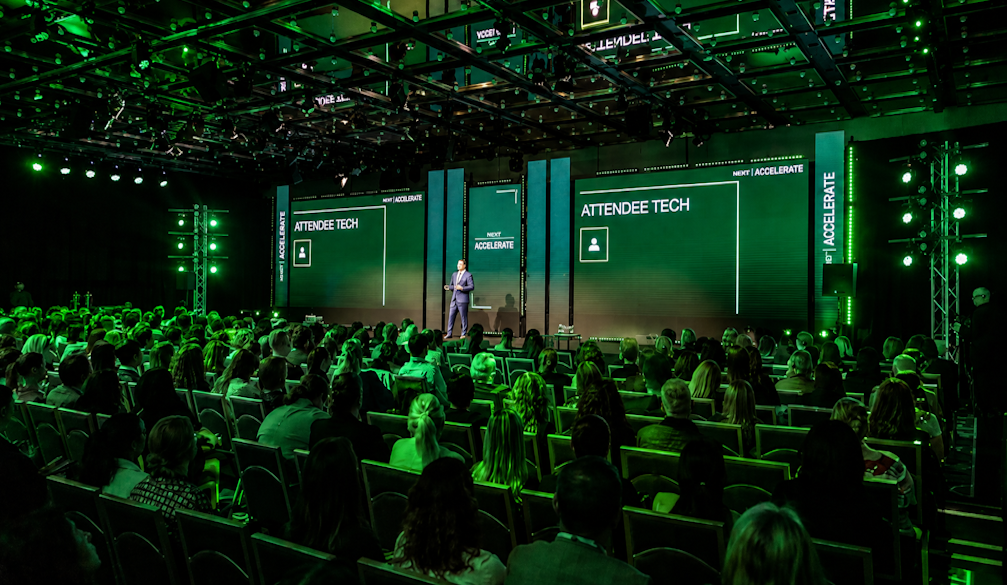
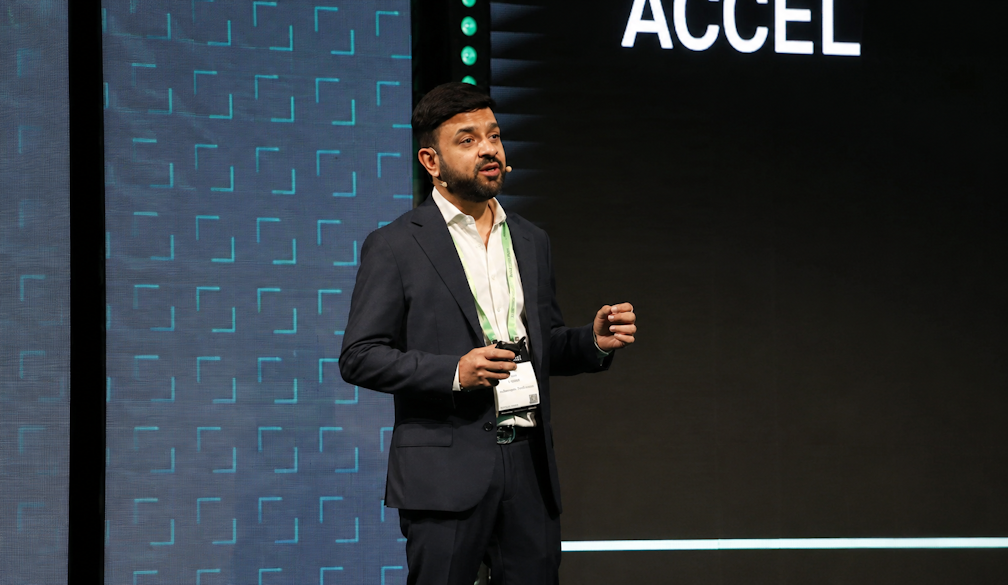
Cvent, a leading provider of event, marketing and hospitality technology solutions, brought together over 450 event, marketing and hospitality professionals from across Australia at Sofitel Sydney Wentworth for the fifth edition of Cvent Accelerate Sydney. One of the region’s leading gatherings for events and hospitality industry professionals, it has earned its reputation as the place where the industry's most pressing challenges are met with real answers and actionable ideas.
Across keynotes, panels, customer stories, breakout sessions, and hands-on technology experiences led by 24 industry experts and practitioners, the conversations centred on a clear and urgent truth: events are no longer a support function. They are a primary growth channel, and the organizations treating them as one are pulling ahead. The day made clear how AI and connected data convert event interactions into business intelligence, linking presence to pipeline and experience to outcomes across marketing, sales and customer success.
The event also welcomed Kris Fade as a guest speaker, an Australian Lebanese broadcaster and one of the Middle East's most recognised media personalities. As host of The Kris Fade Show on Virgin Radio Dubai, reaching over 1.4 million daily listeners, and known globally through Netflix's Dubai Bling, Kris brought his session "The Art of the Hook: How to Capture Attention in a Distracted World" to his home turf, sharing the principles behind building loyal audiences and creating content that consistently resonates across broadcast, social, and live experiences, with direct takeaways for the marketers, event planners, and hoteliers in the room.
The programme reflected an industry that has moved well beyond experimentation into confident, deliberate application.
“The conversation around events has fundamentally changed,” said Jack Ukil, Country Head, Cvent Australia. “In a world where AI can create almost anything, genuine human connection has become one of the most valuable assets a business has. That’s why we’re seeing leading organisations rethink the role of events - not as a marketing expense, but as a strategic driver of trust, pipeline and growth. Cvent Accelerate brought that shift to life, giving attendees practical examples of how AI and event technology work together to create measurable business outcomes.”
The live technology showcase put CventIQ™, Cvent's AI-powered intelligence layer, at the centre of the day. Attendees also got a look at a selection of the latest Cvent product innovations unveiled at Cvent CONNECT 2026 held in Nashville, Tennessee in July. Peer sessions and best practice exchanges brought those innovations to life, with practitioners sharing how connected event technology is reshaping what they can prove, predict and deliver.
Sessions That Drew the Most Attention
-
Among the highlights, "Decoding the Shift: B2B Event Trends & The Path Forward in the AI Age" and "Customer Spotlight: Inside the Modern Playbook for Turning Events into Tangible ROI" resonated strongly with attendees, offering a grounded look at how AI is moving from experimentation into the everyday work of planning, marketing, sourcing and measuring events.
The fifth edition also marked Cvent Accelerate Sydney's first chapter under Cvent's new brand identity, introduced at Cvent CONNECT 2026. The rebrand signals a company that has grown into its own authority: sharper, more direct, and clear about what it stands for. It is built around the Presence Premium™, the organising idea that defines Cvent's view of what events can deliver and why events belong at the center of every organisation's growth strategy. As AI makes digital content faster and cheaper to produce, the value of genuine human presence is rising. Research commissioned by Cvent and conducted by Forrester Consulting found that 70% of business leaders say events matter more in an AI-saturated world, while separate Cvent research fielded by Censuswide found 81% said audience trust increased after an in-person experience. Presence Premium gives the industry the confidence to lead with that.
To make that future real, one where AI powers every event interaction and human presence delivers outcomes no digital channel can replicate, Cvent's planned multi-year $1 billion investment in product development is directed squarely at giving the professionals in this region the platform, intelligence and capability to lead what comes next.
Cvent Accelerate series continues in Frankfurt & Dubai on 10 September and 1 October 2026 respectively.
About Cvent
Cvent builds technology to power the highest performing events on the planet. With its purpose-built and AI-powered platform, data insights, unrivaled ecosystem, and deep expertise, Cvent helps its customers deliver real event outcomes. Cvent gives event professionals the technology to run in-person, virtual, and hybrid events of any size, marketers the solutions to deliver event-led growth, and hotels, venues, and destinations a leading global marketplace to win and keep business.
With intelligent tools across the event lifecycle, real-time analytics, personalized attendee experiences, and $20B+ in group business sourced through the ecosystem annually, Cvent delivers the AI-driven technology, insight, and scale customers need to power high-performing events and better outcomes. 445,000+ users across 34,000+ organizations rely on Cvent. With enterprise-grade security and compliance, hundreds of industry accolades, leading customer satisfaction, 8M+ events managed, and its third consecutive year as a Gartner® Magic Quadrant™ Leader for Event Marketing and Management Platforms, customers around the world trust Cvent to deliver when it matters most.
Learn more at Cvent.com