


Does my iPhone listen to my conversations and serve YouTube videos in response?
- Written by: The Times
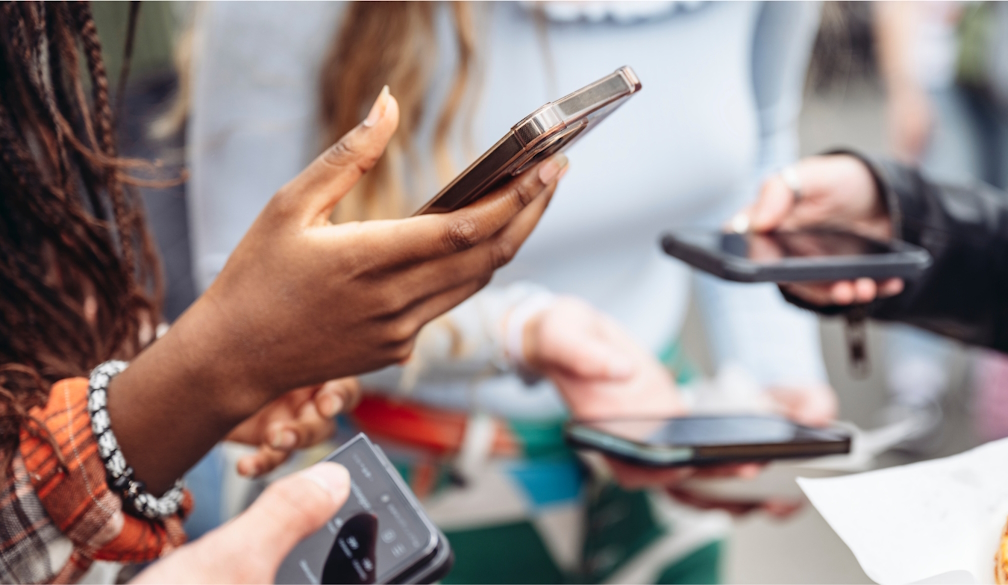
It’s one of the most common—and unsettling—questions in the modern digital age:
You mention something out loud… and hours later, there it is—on your phone.
A YouTube video. An ad. A recommendation that feels just a little too precise.
So, is your iPhone actually listening to your conversations?
The short answer: probably not in the way you think.
The longer answer is far more interesting—and, arguably, more concerning.
The myth: your phone is secretly listening all the time
The belief that smartphones constantly listen to conversations and use that audio to serve ads or videos has been circulating for years.
And it’s easy to see why.
The experience is widespread:
-
You talk about buying a car → car videos appear
-
You discuss a holiday → travel ads flood your feed
-
You mention a health issue → suddenly YouTube “knows”
It feels too specific to be coincidence.
But according to multiple investigations and experts, there is no solid evidence that companies like Apple or Google are actively listening to private conversations to target ads.
There are good reasons for that:
-
It would likely be illegal in many jurisdictions
-
It would create massive legal and reputational risk
-
It would be technically inefficient (constant audio processing drains battery and data)
-
There are far easier and more effective ways to track you
In fact, experts say the odds that your phone microphone is being used this way are “slim.”
The reality: your phone does listen—but only sometimes
Now for the nuance.
Your iPhone is not deaf.
It can listen—but under specific conditions:
-
When you activate voice assistants like Siri
-
When apps have microphone permissions
-
When “wake words” (like “Hey Siri”) are enabled
In these cases, your device is technically always “waiting” for a trigger. But manufacturers say this listening happens locally and isn’t stored or used for advertising unless activated.
Occasionally, these systems can misfire—recording snippets unintentionally.
That’s where some of the confusion—and mistrust—comes from.
So why does YouTube feel like it knows what you said?
Here’s where things get more sophisticated—and far more powerful.
Your phone doesn’t need to listen to your conversations to predict what you’re interested in.
It already knows.
1. Your digital footprint is enormous
Every action you take feeds data into advertising systems:
-
Google searches
-
Websites you visit
-
Videos you watch on YouTube
-
Apps you use
-
Location data
-
Purchase behaviour
This creates a detailed behavioural profile.
2. Your friends are part of the signal
If someone close to you:
-
Searches for a product
-
Watches related videos
-
Lives near you
You may see similar recommendations.
This is called “lookalike” or “cohort” targeting.
3. YouTube’s algorithm is predictive, not reactive
YouTube doesn’t just respond—it anticipates.
Its recommendation engine heavily weights:
-
Watch history
-
Engagement (likes, watch time)
-
Similar user behaviour
Research shows your viewing history significantly shapes what YouTube suggests next.
So if you’ve shown even a small interest in a topic—even subconsciously—you’ll see more of it.
The uncomfortable truth: it feels like listening because it’s that good
What people interpret as “listening” is often:
-
Pattern recognition
-
Predictive modelling
-
Data aggregation at massive scale
In other words, the system doesn’t hear you say “I want a new car.”
It already predicted you might.
And when your conversation aligns with that prediction, it feels like surveillance.
The “Active Listening” controversy
There have been reports of companies exploring voice-based targeting.
For example, a marketing firm claimed to use “Active Listening” technology that could analyse voice data from devices.
However:
-
Major tech platforms denied using it
-
Partnerships were cut
-
No widespread evidence showed it was deployed at scale
So while the concept exists, it is not the standard mechanism behind your YouTube feed.
Why the illusion is so powerful
There are three psychological effects at play:
1. Confirmation bias
You remember the hits (“that’s exactly what I said”)
You forget the misses (irrelevant ads all day)
2. Frequency illusion
Once something is on your mind, you notice it everywhere
3. Delayed digital signals
You may have:
-
Searched something days ago
-
Seen an ad subconsciously
-
Clicked a related link
Then later discussed it—making it feel like cause and effect.
Should you be concerned?
Yes—but not for the reason you think.
Your phone is likely not secretly listening to your conversations for YouTube targeting.
But it is:
-
Tracking your behaviour extensively
-
Building detailed profiles
-
Sharing data across platforms and advertisers
That ecosystem is already powerful enough to feel invasive—without needing your microphone.
What you can do to take control
If this concerns you, there are practical steps:
-
Review microphone permissions in iOS settings
-
Disable “Hey Siri” if not needed
-
Turn off ad personalisation
-
Limit app tracking
-
Use private browsing modes
-
Reset your advertising ID periodically
These won’t make you invisible—but they reduce the signal.
The bottom line
Your iPhone is not sitting there secretly listening to your conversations and feeding them directly into YouTube.
It doesn’t need to.
The modern data economy is built on something far more powerful:
Predicting what you will think about—before you say it out loud.
And that’s why it feels like your phone is listening.
Because, in a way that matters, it already knows.










