Moving to Darwin? This Is the Residential Property Reality
- Written by: The Times
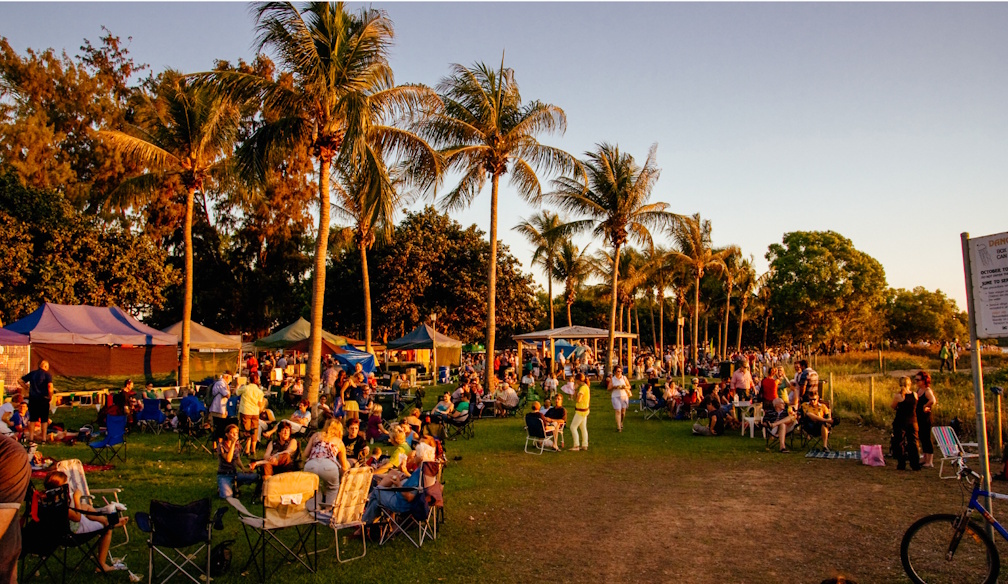
For many Australians tired of crowded southern cities, long commutes and increasingly unaffordable property markets, Darwin continues to hold a certain fascination. It is tropical, geographically unique and offers a lifestyle dramatically different from Sydney, Melbourne or Brisbane. The city has proximity to Asia, spectacular national parks, fishing opportunities, military and government employment, and a climate that appeals to people wanting year-round warmth.
But moving to Darwin is not simply a lifestyle decision. It is also a financial, practical and personal decision that deserves careful consideration.
Darwin’s property market operates differently from many mainland capital cities. Prices, rental yields, housing types, insurance costs, weather exposure, infrastructure and even community dynamics create a residential environment unlike almost anywhere else in Australia.
For prospective buyers, renters and investors, understanding the reality of Darwin property is essential before making the move.
One of the first surprises for many interstate buyers is that Darwin property prices remain relatively affordable compared with Sydney, Melbourne and increasingly Brisbane and Perth.
Detached houses in many Darwin suburbs still cost substantially less than equivalent properties in major eastern seaboard capitals. While prices fluctuate depending on defence spending, mining activity, migration and local economic confidence, Darwin has historically remained one of Australia’s more accessible capital city markets for house buyers.
That affordability is one reason some Australians consider Darwin an opportunity market.
Families selling homes in Sydney or Melbourne may discover they can purchase larger homes, sometimes with pools and substantial land, for far less than they would pay in southern capitals.
Affordable suburbs continue attracting attention from first-home buyers and investors alike.
Suburbs such as Palmerston, Moulden, Karama, Gray and parts of Leanyer often provide comparatively lower entry prices while still offering access to schools, shopping facilities and transport connections. Palmerston in particular has evolved into a major residential area for younger families and public sector workers seeking more affordable housing.
Certain northern suburbs also remain attractive for buyers wanting detached homes without paying premium coastal prices.
However, Darwin’s affordability comes with important caveats.
Insurance costs can be extraordinarily high compared with southern Australia. Cyclone risk, tropical weather exposure and storm-related claims significantly affect both home insurance and strata costs for unit owners. Prospective buyers unfamiliar with northern Australia sometimes focus only on purchase prices without fully understanding ongoing ownership expenses.
That can be an expensive mistake.
Electricity costs can also become substantial because of year-round air-conditioning requirements. In Darwin’s tropical climate, cooling systems are not luxuries. They are necessities for much of the year.
At the premium end of the market, Darwin offers some genuinely impressive residential areas.
Suburbs such as Fannie Bay, Cullen Bay, Larrakeyah and parts of Nightcliff continue attracting executives, defence personnel, professionals and wealthier residents seeking waterfront living, marina access or proximity to the CBD.
Fannie Bay in particular remains one of Darwin’s most prestigious addresses. Its coastal location, established homes and relative exclusivity make it highly sought after.
Cullen Bay offers apartment and marina living that appeals to buyers wanting something resembling a tropical waterfront resort lifestyle. Restaurants, ocean views and boating access create a very different atmosphere compared with suburban mainland living.
Nightcliff has also become increasingly fashionable, particularly among professionals and lifestyle-oriented buyers. Its foreshore areas, cafes and community atmosphere have strengthened its popularity in recent years.
Yet Darwin differs from larger capitals because the gap between affordable and premium suburbs is often less extreme than in Sydney or Melbourne.
The city remains comparatively small and interconnected. Commute times are usually shorter, and even outer suburbs generally maintain reasonable access to employment and services.
One of the major decisions facing prospective Darwin residents is whether to purchase a detached dwelling or a unit.
Both options have advantages and disadvantages unique to Darwin.
Detached houses offer land, privacy and reduced exposure to strata fees. Many homes also feature tropical architecture designed for airflow and outdoor living. Elevated homes remain common in older areas due to flood and cyclone considerations.
However, houses bring significant maintenance obligations in tropical conditions. Humidity, termites, mould, corrosion and storm exposure all require ongoing attention.
Units can appear attractive because they often provide lower entry prices and access to pools, gyms or secure complexes. Darwin has many apartment developments aimed at defence workers, professionals and investors.
But buyers must carefully investigate strata finances and insurance costs before purchasing units in the Territory.
Some apartment complexes face extremely high body corporate fees due to insurance premiums, maintenance and building repairs associated with tropical conditions. In certain cases, those ongoing costs materially affect investment returns and affordability.
Renting versus buying in Darwin is another complicated calculation.
Darwin has historically experienced highly cyclical property conditions. Periods of strong growth linked to major projects or defence activity can be followed by prolonged softer markets. Some buyers who purchased during boom periods have later experienced falling property values.
That volatility means buyers should approach Darwin property with a long-term perspective rather than expecting guaranteed rapid capital growth.
Renting offers flexibility, particularly for people uncertain whether they will remain in Darwin long term. Defence personnel, contractors and government workers frequently move in and out of the Territory, contributing to a transient population dynamic in some areas.
On the other hand, Darwin rental prices can rise sharply during periods of housing shortage and economic activity.
Vacancy rates occasionally tighten dramatically, pushing rents higher and making home ownership comparatively more attractive.
Interestingly, some Australians are now exploring hybrid strategies in Darwin.
One emerging approach involves purchasing an investment property in Darwin to benefit from rental yields while personally renting another dwelling elsewhere for lifestyle or work reasons. Darwin has periodically offered relatively strong rental returns compared with southern capitals because property prices have remained lower while rents stayed comparatively resilient.
For investors focused on cash flow rather than purely capital growth, Darwin can therefore appear attractive.
However, investors should carefully assess tenant demand, local economic trends and ongoing ownership costs before committing to the market.
Personal security concerns are another issue prospective residents frequently raise when considering Darwin.
Like many Australian cities, Darwin faces crime challenges in certain areas. Property crime, antisocial behaviour and youth offending periodically become major political and community issues in the Northern Territory.
Security features such as fencing, screens, cameras and secure parking are common considerations for residents. Some suburbs are perceived as safer or more stable than others, and local knowledge matters enormously when selecting a location.
Importantly, however, Darwin is not uniquely unsafe compared with many urban environments globally. Much depends on suburb selection, property type and personal circumstances.
Still, interstate buyers unfamiliar with the Territory should research carefully rather than relying solely on promotional marketing material.
Political and economic stability also influence residential confidence.
The Northern Territory’s economy remains heavily influenced by government spending, defence activity, mining and large infrastructure projects. That creates both opportunity and vulnerability. Changes in government policy or major project activity can affect employment and housing demand relatively quickly.
Stable local leadership therefore matters considerably.
Businesses and residents alike watch Territory and federal government policies regarding defence expansion, gas projects, infrastructure investment and regional development closely because those sectors directly influence Darwin’s economy and property market.
Education is another major consideration for families relocating north.
Darwin offers a range of public and private schools, including respected independent colleges and specialist programs. Charles Darwin University also provides tertiary education opportunities and continues expanding its profile nationally.
However, families accustomed to the vast schooling options available in Sydney or Melbourne may find choices more limited in scale.
That said, some families appreciate Darwin’s smaller community atmosphere and reduced commuting stress compared with larger capitals.
Healthcare access is similarly important.
Darwin provides major hospital services through Royal Darwin Hospital along with growing private healthcare facilities. However, the Territory’s vast geography creates ongoing pressure on health systems, staffing and specialist availability.
Residents requiring highly specialised medical treatment sometimes travel interstate for certain procedures or consultations. Prospective retirees should particularly investigate healthcare access carefully before relocating permanently.
Lifestyle, of course, remains one of Darwin’s strongest attractions.
Fishing, boating, tropical weather, national parks and outdoor living form part of everyday life for many residents. There is a relaxed pace that contrasts sharply with the intensity of larger Australian capitals.
Commutes are shorter. Parking is easier. Beaches and outdoor recreation are often minutes away.
But the climate itself can also become challenging for newcomers.
The build-up season, with intense humidity before the wet season, can be physically and emotionally draining for some people. Others embrace it completely.
Ultimately, Darwin is not simply a cheaper version of Sydney or Melbourne.
It is its own market with its own economic cycles, risks, rewards and lifestyle realities.
For some Australians, Darwin represents opportunity, affordability and a more relaxed way of life. For others, the tropical climate, insurance costs, distance from family and economic volatility may prove difficult.
The key is understanding the reality rather than the postcard version.
Because for those who choose wisely, buy carefully and genuinely embrace northern Australia, Darwin can still offer something increasingly difficult to find elsewhere in Australia: space, lifestyle and relative housing accessibility within a capital city environment.