Property in Tasmania: the trend for residential real estate in the regions and Hobart
- Written by: The Times
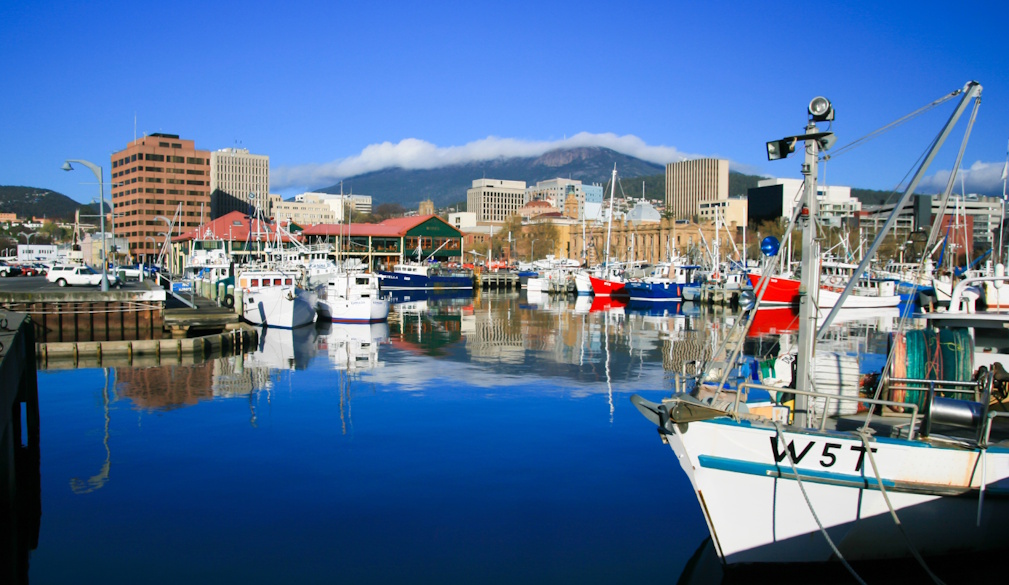
Tasmania’s property market has long moved to its own rhythm, often lagging mainland booms before quietly catching up. In 2026, that familiar pattern is playing out again—but with a difference. This time, the recovery is broader, more structural, and increasingly defined by a divide between Hobart’s stabilised resurgence and the steady, lifestyle-driven strength of regional markets.
For buyers, investors and policymakers alike, Tasmania is no longer a peripheral market. It is becoming a case study in how affordability, lifestyle migration, and constrained supply can combine to reshape an entire state’s housing landscape.
Hobart: from correction to controlled growth
After a difficult period marked by post-pandemic cooling, Hobart has clearly turned a corner. Prices are rising again, but not in the explosive fashion seen during the COVID-era surge. Instead, the capital is experiencing what analysts would call a “normalised growth phase”.
Recent data shows Hobart’s median dwelling value has climbed to around $728,000, up more than 10% year-on-year . Forecasts suggest continued growth through 2026, albeit at a more measured pace—generally expected to sit somewhere between 2% and 7% depending on economic conditions .
This matters. Hobart is no longer a speculative spike market—it is becoming a stable one.
Several forces are driving this shift. First is relative affordability. Even after recent gains, Hobart remains cheaper than most mainland capitals, sitting well below cities like Melbourne and Brisbane . That price gap continues to attract interstate buyers, particularly those seeking a lifestyle change without completely sacrificing urban amenity.
Second is supply. Tasmania has persistent constraints in housing construction, from labour shortages to planning bottlenecks. These factors are not unique to Tasmania, but their impact is magnified in a smaller market. Limited new stock keeps upward pressure on prices, even when demand softens.
Third is rental demand. Hobart’s rental market is extraordinarily tight. Vacancy rates have fallen to around 0.2%, effectively a full occupancy scenario . This has pushed rents to record highs and made the city increasingly attractive to investors chasing yield.
Yet there is nuance beneath the headline growth. Detached houses continue to outperform units, reflecting both buyer preference and limited land supply. Units, while still rising in value, are doing so more slowly and with occasional quarterly declines .
In short, Hobart is not booming—it is maturing.
Regional Tasmania: steady, broad-based strength
If Hobart represents stabilisation, regional Tasmania represents quiet momentum.
Across the state’s regional markets—Launceston, Devonport, the north-west coast and smaller lifestyle towns—growth has been less volatile but more consistent. Median regional prices have generally hovered in the low-to-mid $500,000 range, with modest annual increases of around 2–3% in recent periods .
What is striking is not the speed of growth, but its resilience.
Regional Tasmania has benefited from several structural shifts that began during the pandemic but have not reversed. Remote and hybrid work arrangements have allowed buyers to prioritise lifestyle over proximity to capital city offices. Tasmania, with its natural beauty and lower density, has been a prime beneficiary.
This has created sustained demand for regional housing, particularly in coastal and semi-rural areas. Towns that were once overlooked are now firmly on the radar of mainland buyers and investors.
Importantly, regional Tasmania is also being recognised nationally as a growth market. Recent analysis has placed both Hobart and regional Tasmania among the leading areas expected to see price increases in 2026 . At a national level, regional markets are outperforming many capital cities due to affordability and migration trends .
Unlike Hobart, where affordability is tightening, regional areas still offer entry points that are accessible to a wider range of buyers. This supports ongoing demand and helps prevent sharp corrections.
However, the same supply constraints seen in Hobart also apply in regional markets. Limited construction capacity and infrastructure challenges mean that new housing supply is not keeping pace with demand. As a result, even modest population growth can translate into price pressure.
The rental crisis: Tasmania’s defining issue
Any discussion of Tasmania’s property market in 2026 must confront the rental crisis.
The data is stark. Available rental listings have fallen sharply, and affordability has deteriorated to the point where even share housing is out of reach for many low-income earners .
This has several implications.
First, it reinforces investor demand. High rents and low vacancy rates create strong yields, making Tasmania attractive despite relatively modest capital growth compared to boom markets like Perth or Brisbane.
Second, it creates political pressure. Governments are increasingly being pushed to intervene through social housing programs, rental protections, and incentives for new construction.
Third, it highlights the structural imbalance at the heart of the market. Tasmania’s population may be small, but its housing supply challenges are acute.
Without significant increases in construction, the rental crisis is likely to persist—and with it, upward pressure on both rents and prices.
The broader Australian context
Tasmania’s property trends cannot be viewed in isolation. Across Australia, the housing market in 2026 is characterised by tight supply, rising construction costs, and slowing but still positive growth.
Nationally, price growth is moderating after a period of strong gains, with some markets even experiencing slight declines due to interest rate pressures . Yet underlying demand remains strong, driven by population growth and chronic undersupply.
Tasmania fits neatly into this broader narrative—but with its own local twist. Where Sydney and Melbourne are constrained by affordability ceilings, Tasmania is still attracting buyers seeking value. Where larger states struggle with scale, Tasmania’s smaller market amplifies the effects of supply shortages.
The result is a market that is less volatile but still fundamentally upward in direction.
What happens next
Looking ahead, the trajectory for Tasmania’s property market appears clear, even if the pace remains uncertain.
Hobart is likely to continue its steady recovery, with moderate price growth supported by affordability, rental demand and limited supply. A sharp boom is unlikely, but so too is a significant downturn.
Regional markets will remain a key story. Lifestyle migration, relative affordability and national recognition are all working in their favour. Growth may not be spectacular, but it is likely to be sustained.
The biggest variable is supply. Without meaningful increases in housing construction, both Hobart and regional Tasmania will continue to face upward pressure on prices and rents.
For buyers, the window of relative affordability—particularly in regional areas—may not remain open indefinitely.
For investors, the fundamentals are compelling: tight rental markets, consistent demand, and a state that is increasingly on the radar.
For policymakers, the challenge is urgent. Tasmania’s housing market is not just about prices—it is about access, affordability, and the ability of residents to remain in their communities.
Conclusion
Tasmania’s property market in 2026 is not defined by boom or bust. It is defined by balance—albeit a fragile one.
Hobart is regaining momentum after a period of correction, transitioning into a more stable and sustainable growth phase. Regional Tasmania is quietly strengthening, supported by lifestyle trends and affordability.
But beneath that stability lies a structural tension: demand is rising faster than supply.
That tension will shape the next chapter of Tasmania’s housing story—and determine whether the state remains a place of opportunity, or becomes another market where affordability slips out of reach.