Inner Brisbane already rebuilding as Council pushes for more homes in low-medium density zones
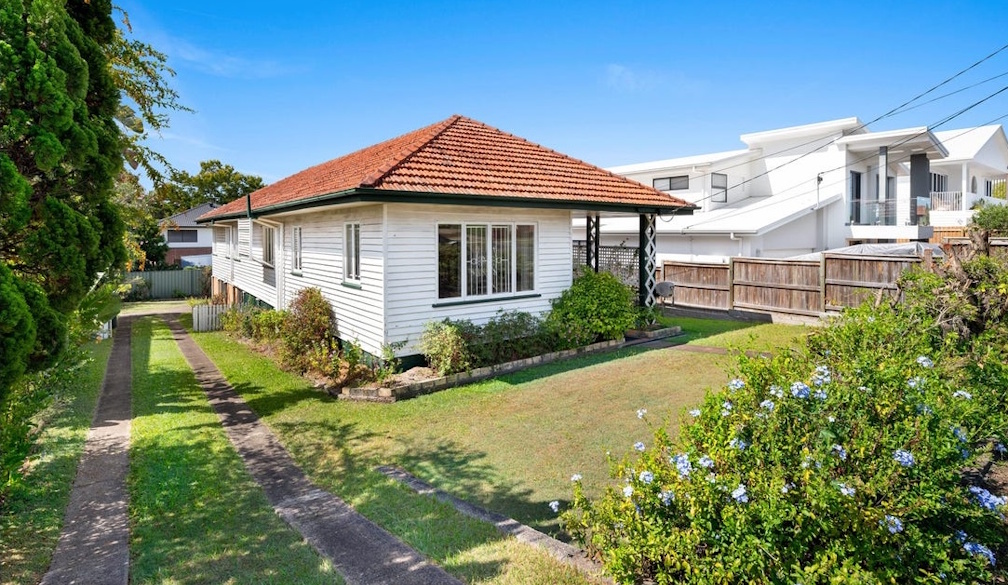
Brisbane City Council wants more homes built in its low-medium density suburbs. But builders say the rebuild boom is already well underway — just not in the way planners might expect.
New figures released as part of the Council’s More Homes, Sooner review show construction in Low-medium density residential (LMR) zones has fallen sharply, from about 1,100 homes a year to fewer than 500 by the end of 2023. The LMR zone covers roughly 14% of Brisbane’s residential land and sits largely along transport corridors and near shopping hubs.
Council is now proposing taller buildings, smaller minimum lot sizes, and reduced parking requirements to kickstart supply, stating the changes could enable up to 6,000 additional homes to be delivered by 2032.
On the ground, however, custom builders say inner Brisbane is already experiencing a rebuild wave.
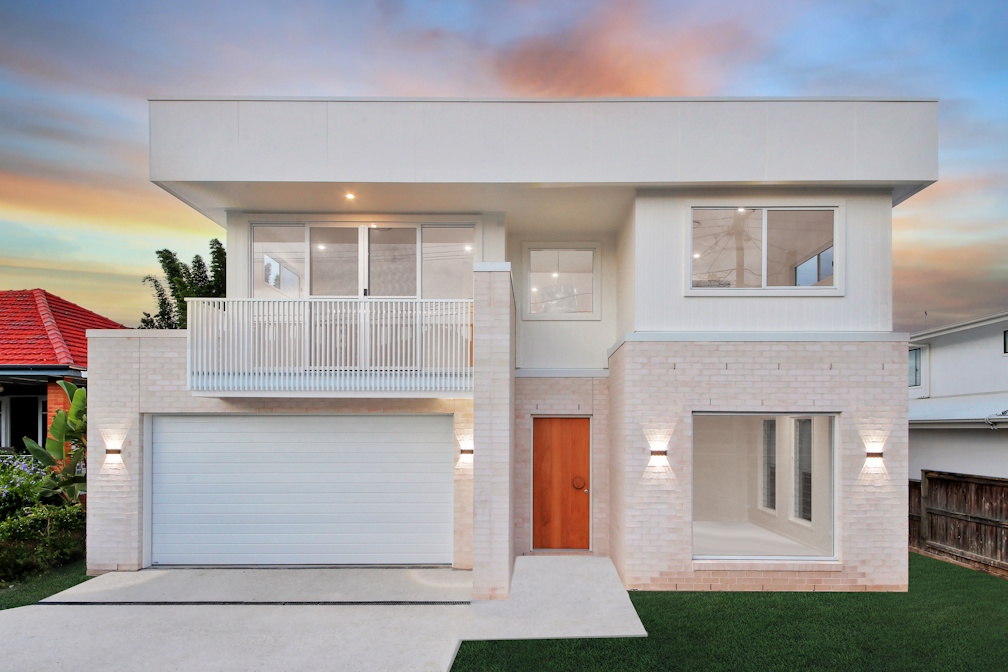
Joe Grbavac, Director of OMNI Built Homes, said around 95 per cent of the company’s projects over the past 12 to 24 months had been knockdown rebuilds rather than new builds in outer estates. Almost every new enquiry is now from homeowners looking to demolish and rebuild in established suburbs.
“We used to build more in estates,” Grbavac said. “But land supply tightened during COVID, and buyers changed their focus. People want to stay where they are, especially in the inner city.”
Sunnybank, Alderley, Stretton, Carina, Cannon Hill, Mt Gravatt, Upper Mt Gravatt, Tarragindi, Stafford Heights, Yeronga, Ashgrove, Eight Mile Plains and Holland Park West are among the suburbs seeing an increase in rebuild activity.
Families are opting to knock down older homes and build larger, custom dwellings rather than move 30 or 40 kilometres out to secure land and start from scratch.
But while building activity is picking up in established suburbs, the type of housing being delivered is not evolving in the way policymakers might hope.
Most knockdown rebuilds still see one older house replaced with one new home. The façade changes, the floorplan expands, and the finish improves, but the actual dwelling count does not increase.
So while cranes and construction crews are active across inner Brisbane, that activity is not automatically adding to the city’s housing supply. So what this does show, however, is that land in established suburbs is far from dormant. It is being recycled, reinvested in, and repositioned for the next generation of families. The next step depends largely on the future planning settings.
Dual occupancies remain uncommon, largely because zoning that permits them is limited across much of the city. Even in areas close to transport and shopping centres, controls can restrict what is achievable on a single lot.
“If zoning was relaxed, you’d likely see more dual occupancy outcomes,” Grbavac said. “There’s strong demand for multi-generational living. We’re getting more enquiries from families wanting either separate spaces under one roof or a main home with a secondary dwelling, but planning settings don’t always allow for it.”
Subdivision interest is also rising compared to five years ago as homeowners look to unlock value in larger blocks, although feasibility in inner-city Brisbane can be complex and highly site-dependent.
So as Brisbane City Council moves to unlock more homes in well-located areas through its LMR reforms, builders say the underlying demand inside the inner ring is already evident. The willingness to build is not the constraint. The determining factor is how many dwellings policy will ultimately allow those established blocks to accommodate.