Common plumbing problems families face in older Melbourne homes
- Written by: Times Media
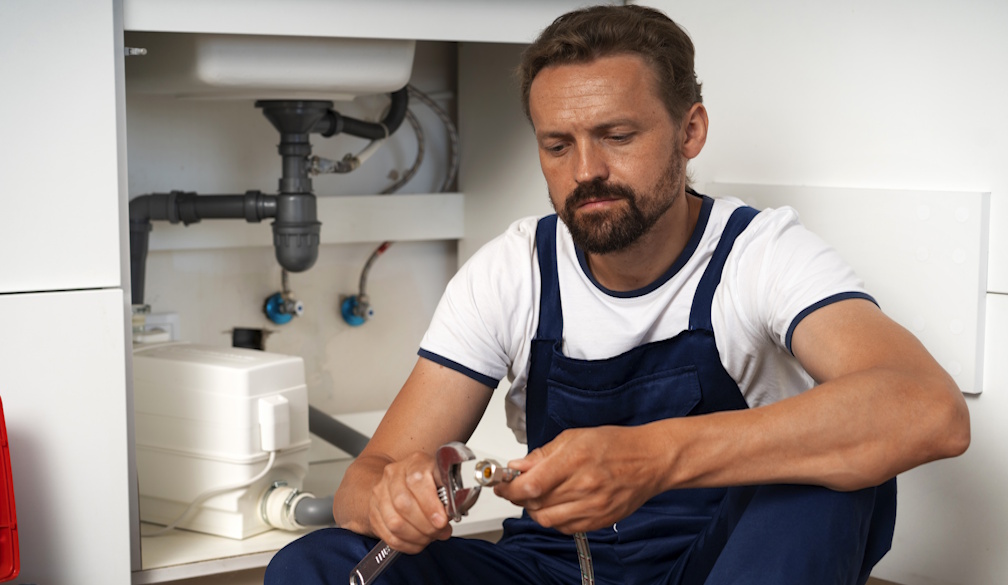
Melbourne is known for its character-filled suburbs, leafy streets, and older homes with plenty of charm. While these houses often have strong bones, their plumbing systems can tell a different story. For families living in older properties, plumbing issues are a common source of stress, unexpected costs, and disruption to daily routines.
Ageing pipes and hidden leaks
One of the most common problems in older homes is ageing pipework. Many houses built decades ago still rely on galvanised steel or old copper pipes, which can corrode internally over time. This corrosion restricts water flow and increases the risk of leaks or bursts.
Hidden leaks are particularly frustrating for families. They may show up as damp patches on walls, mouldy smells, or unexplained increases in water bills. Because these leaks are often out of sight, they can go unnoticed until significant damage has already occurred.
Blocked drains and slow wastewater flow
Blocked drains are another frequent issue, especially in homes with older plumbing layouts. Years of soap residue, grease, food scraps, and hair can gradually narrow pipes, leading to slow-draining sinks, gurgling sounds, or unpleasant smells.
Tree roots are also a major culprit in older Melbourne homes. Established gardens and mature trees can send roots into underground pipes through tiny cracks, causing recurring blockages that are difficult to resolve without professional equipment.
Low water pressure throughout the house
Low water pressure is a common complaint in older properties and can make everyday tasks like showering, washing dishes, or running appliances far less convenient. This issue is often caused by deteriorated pipes, mineral build-up, or outdated plumbing systems that were never designed to handle modern water usage.
For busy families, low water pressure can slow everything down, particularly during peak times like mornings and evenings when multiple taps and appliances are in use at once.
Outdated fixtures and fittings
Older homes often come with original taps, toilets, and fixtures that may still function but are far less efficient than modern alternatives. Dripping taps, constantly running toilets, and inefficient hot water systems waste water and increase utility bills over time.
Upgrading these fixtures can significantly improve performance and reduce ongoing costs, but it is important to ensure the underlying plumbing can support new fittings without causing additional problems.
Why professional advice matters
While some minor plumbing issues can be managed with simple fixes, many problems in older homes require experienced assessment. Temporary solutions may mask a deeper issue, leading to bigger repairs later. Working with professionals who understand Melbourne plumbing systems can help identify underlying causes and recommend long-term solutions rather than quick patches.
Engaging specialists in Melbourne plumbing can be particularly valuable for families dealing with recurring issues or planning renovations. A thorough inspection can highlight risks early and help prioritise repairs in a way that fits household budgets and timelines.
Planning ahead for peace of mind
Living in an older home does not mean constant plumbing trouble, but it does require a proactive approach. Regular inspections, early attention to small issues, and thoughtful upgrades can prevent many common problems from escalating.
For families, reliable plumbing means fewer disruptions, safer living conditions, and one less thing to worry about in already busy lives. With the right care and support, older Melbourne homes can remain comfortable and functional for years to come.