Marquees or Indoor Venues: Choose the Perfect Space for Your Party
- Written by: Times Media
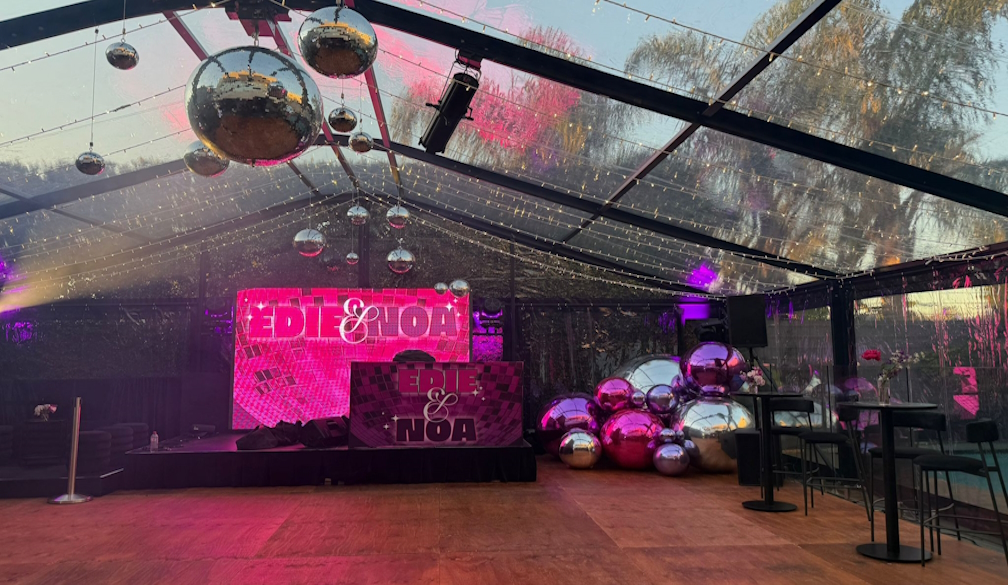
Selecting the right venue is one of the most influential decisions you will make when planning an event. From weddings and milestone birthdays to corporate functions and community gatherings, the setting plays a major role in defining the mood and overall guest experience. For many hosts, the decision comes down to one key choice: a marquee or an indoor venue.
Both options offer strong advantages. The best fit depends on your vision, personal style, and the practical requirements of your event.
Understanding the Difference: Marquees vs Indoor Venues
A marquee is a temporary structure installed at a location of your choice. It offers complete design freedom, allowing you to create a space from the ground up. With carefully selected flooring, lighting, furniture, and layout, a marquee can feel just as refined and comfortable as a traditional venue, while offering far more flexibility.
Indoor venues, by contrast, are permanent spaces such as function centres, reception halls, restaurants, and dedicated event venues. These locations typically come fully equipped with lighting, climate control, kitchens, bathrooms, and fixed layouts.
While both options suit a wide range of events, the experience they create for hosts and guests is very different.
Why Choose a Marquee for Your Event?
1. Complete Design Freedom
A marquee provides a blank canvas for your event. You have full control over how the space looks and functions, from the layout and seating to décor, lighting, and flooring.
For weddings, this means a highly personal and bespoke celebration. For private parties and corporate events, it allows you to create a space that aligns perfectly with your theme, branding, or vision.
2. Freedom to Select Your Ideal Location
Unlike fixed venues, using a marquee hire company allows you to host your event almost anywhere. Lawns, private properties, parks, gardens, and open spaces can all be transformed into event venues.
This flexibility opens the door to beautiful surroundings, impressive views, and unique photo opportunities, while also creating a more intimate and memorable atmosphere.
3. Perfect for Large or Zoned Events
Marquees are available in a range of sizes and can be joined together to accommodate growing guest lists. Dance floors, lounge areas, bars, catering zones, and breakout spaces can all be incorporated seamlessly.
For large weddings, corporate events, or community celebrations, marquees provide a level of capacity and layout flexibility that many indoor venues cannot offer.
4. Reliable Weather Coverage Outdoors
Modern marquees are designed to protect guests from rain, wind, and harsh sunlight. With the addition of walls, flooring, heating, or fans, comfort can be maintained in most conditions.
Clear roof marquees are particularly popular for weddings and evening events, allowing daylight or star filled skies to enhance the ambience while keeping guests fully sheltered.
5. Greater Budget Control
Marquees give you the freedom to choose your own suppliers for catering, furniture, décor, and entertainment. This often makes it easier to balance your style preferences with your budget.
Unlike many indoor venues that operate on fixed packages, marquee events allow you to invest in the elements that matter most to you.
When an Indoor Venue May Be the Better Option
1. A Fully Controlled Environment
Indoor venues offer consistent temperature control and reliable acoustics. If your event falls during extreme weather periods or you prefer certainty and predictability, an indoor venue may be more suitable.
2. Built In Amenities and Convenience
Most indoor venues include furniture, bathrooms, power, sound systems, and on site staff. If you prefer an all inclusive option with minimal planning decisions, this can be a strong advantage.
3. Simpler Setup and Scheduling
Because everything is already in place, indoor venues generally require less coordination and setup time. This is particularly appealing for corporate event hire or functions with tight schedules.
4. Central and High Traffic Locations
If your event needs to be close to transport, accommodation, or city centres, an indoor venue may offer greater accessibility and convenience for guests.
Marquees vs Indoor Venues for Weddings
Why Couples Are Drawn to Marquee Weddings
Marquee weddings are popular for their sense of freedom, romance, and individuality. Couples enjoy choosing their backdrop, designing their layout, and creating a natural flow between the ceremony, cocktail hour, and reception.
There is also something undeniably special about celebrating under a softly lit marquee at sunset or beneath clear night skies.
Why Some Couples Prefer Indoor Wedding Venues
Indoor wedding venues offer structure, simplicity, and peace of mind. They are ideal for couples who want a streamlined experience with minimal setup, fewer weather considerations, and clearly defined spaces.
Marquees vs Indoor Venues for Parties and Corporate Events
Why Marquees Work Well for Celebrations and Business Events
Marquees are highly adaptable and suit engagement parties, milestone birthdays, backyard celebrations, and branded corporate activations. Their flexibility allows for customised layouts and strong visual impact.
When Indoor Venues Suit Parties Better
Indoor venues may be better for events that require strict noise management, advanced audio visual setups, or fast turnaround times. They are also well suited to daytime corporate events where technology plays a central role.
Key Practical Considerations
Weather and Time of Year
Think carefully about the season and local climate. While marquees can be equipped with heating, cooling, flooring, and walls, extreme conditions may make an indoor venue the safer option.
Budget Planning
Marquees offer flexibility, but additional elements such as flooring, lighting, power, and amenities need to be budgeted for. Indoor venues often include these as part of a single fee.
Logistics and Permissions
Marquee events require planning around power access, bathroom facilities, accessibility, and permits where applicable. These factors should be considered early to avoid complications.
Which Option Is Right for Your Event?
There is no universal answer. The right choice depends on your priorities.
A marquee may be ideal if you value:
- Creative freedom
- Outdoor surroundings
- Custom layouts
- A distinctive and memorable experience
An indoor venue may suit you better if you prioritise:
- Convenience
- Consistent temperature control
- Built in amenities
- Reduced logistical planning
Ultimately, the best option is the one that aligns with your vision, budget, and the experience you want your guests to enjoy.