


The One Visibility Check Most Drivers Forget Until It’s Too Late
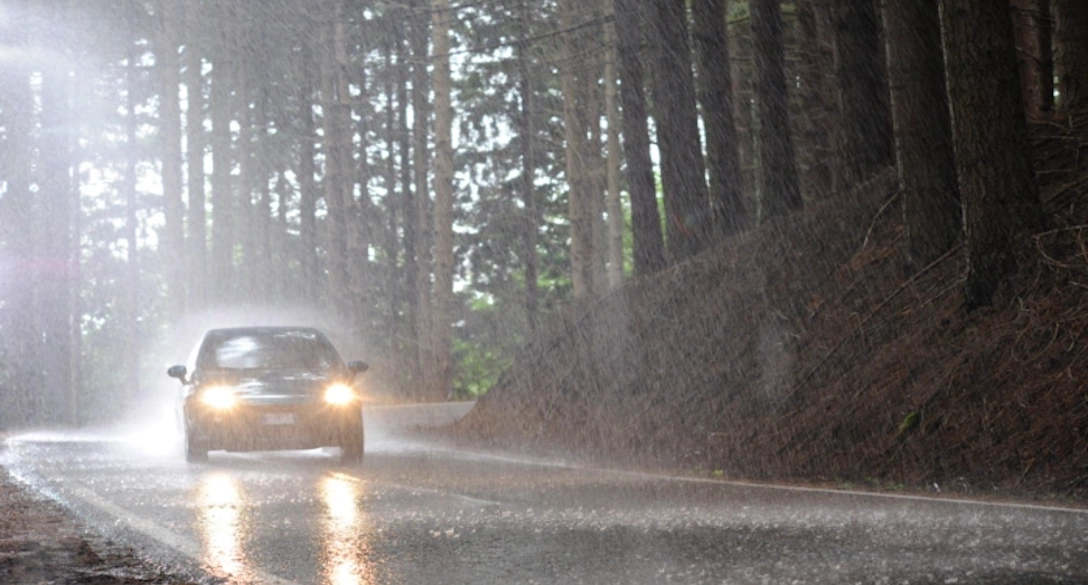
You wouldn’t drive with your eyes closed — but you might be doing the next worst thing without even realising it. Many drivers take care to keep their tyres inflated and their oil changed, but neglect one of the simplest, most critical safety checks. This oversight can turn a routine drive into a risky one, especially when the weather turns bad.
Why This Overlooked Check Matters
When the rain is pouring, snow is falling, or a sudden spray from another vehicle hits your windscreen, you rely on one thing to keep your vision clear — and it’s not your headlights or mirrors. It’s your windscreen wiper blades.
If they’re worn, cracked, or dirty, you’ll notice streaks, missed patches, or squeaking noises. These aren’t just annoyances — they’re early warnings that your visibility (and safety) is at risk. Poor wiper performance can mean extra seconds spent trying to see clearly, and in driving, those seconds matter.
How to Know Your Wiper Blades Are Past Their Prime
Many drivers assume wipers last indefinitely, but in reality, they degrade over time. Sun exposure, temperature changes, and constant contact with dirt and debris cause the rubber to break down. Here’s how to tell if yours need replacing:
- Uneven wiping — Large areas of the windscreen stay wet after a swipe.
- Streaking or smearing — Visibility drops during rain because water isn’t cleared evenly.
- Chattering noises — The blade “skips” over the glass instead of gliding smoothly.
- Visible damage — Cracks, splits, or missing chunks in the rubber.
If you notice any of these signs, it’s time to act before you’re caught in bad weather with compromised vision.
The Quick Five-Minute Check
You don’t need a mechanic to check your wipers. Just follow these steps once a month:
- Lift each wiper arm gently away from the windscreen.
- Inspect the rubber for cracks, fraying, or stiffness.
- Wipe the blade with a damp cloth to remove dirt and debris.
- Run a test using your windscreen washer fluid.
- Replace if the blades leave streaks or miss areas.
This tiny bit of preventative care can prevent costly repairs, like windscreen scratches, and more importantly, can prevent accidents.
The Cost of Neglect
A set of quality wiper blades costs a fraction of what you might spend repairing damage caused by poor visibility — or worse, the cost of an accident. Yet many drivers wait until they’re in the middle of a storm to realise theirs are overdue for replacement.
Think about it: would you risk driving in the dark with faulty headlights? The same principle applies here. Clear vision isn’t optional — it’s essential.
How to Choose the Right Wiper Blades
Not all blades are created equal. Here’s what to consider before buying:
- Fit — Check your car’s make and model for the correct size.
- Material — Rubber is standard, but silicone blades often last longer.
- Design — Beam blades tend to provide more even pressure and better performance in harsh weather.
- Ease of installation — Many modern blades are designed for quick, tool-free replacement.
Investing in the right set can mean the difference between struggling to see and driving confidently in all conditions.
Making Wiper Care Part of Your Routine
The easiest way to stay on top of wiper maintenance is to combine it with other quick checks. For example:
- Inspect wipers whenever you check tyre pressure.
- Give them a wipe down when washing your car.
- Keep spare blades in your boot, especially before a long road trip
By making it part of your car care habit, you’ll never be caught off guard by bad weather again.
Clear Vision, Safer Journeys
The visibility check most drivers forget is also one of the fastest and cheapest to fix. By paying attention to your wipers and replacing them before they fail, you’re not just saving yourself frustration — you’re protecting everyone on the road.
So before your next drive, take a minute to look at those thin strips of rubber working hard to keep your view clear. It’s a small effort with a big payoff: safer, more comfortable journeys, no matter what the skies throw your way.










