End-of-Life Planning: Why Talking About Death With Family Makes Funeral Planning Easier
- Written by: Rachel Bracken

I spend a lot of time talking about death.
Not in a morbid, gloomy way—but in the same way we discuss any other big life event that takes planning, love, and care. Because here’s the thing: for most of life’s milestones, we do our research. We read the baby books before having a child, we tour venues before saying “I do,” and we compare suburbs before buying a house. Yet when it comes to end-of-life planning—one of the most significant moments we will ever face—we often avoid the conversation entirely.
I’ve worked with hundreds of families as a funeral director and celebrant, and I can tell you that avoiding the funeral planning conversation rarely makes things easier. When death arrives—whether expected or not—people are often left trying to make deeply personal decisions in a fog of grief. The practical tasks can feel relentless: choosing a funeral home, deciding on a coffin, making a call between burial or cremation, selecting music, writing a eulogy… all while their heart is breaking.
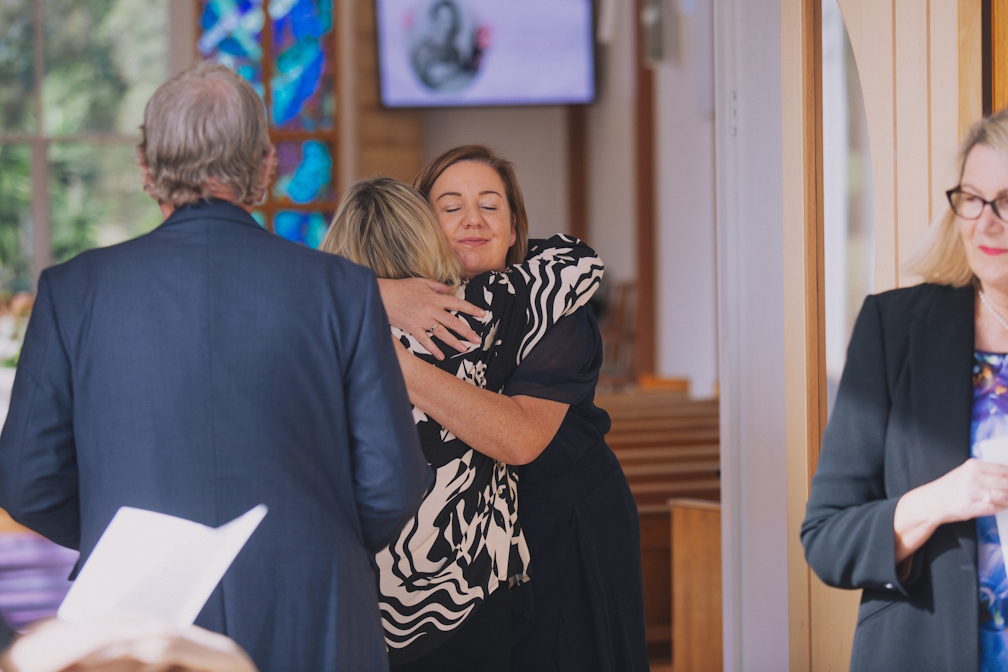
But when families have even some of these conversations beforehand, everything feels different. There’s more calm. More connection. And space for what truly matters—being present with each other.
Why Talking About Death Reduces Fear and Helps Grief
We sometimes fear that talking about death will somehow summon it closer. But death isn’t a punishment for speaking its name—it’s a universal certainty, whether we prepare for it or not.
When we talk about it, we reduce fear and increase understanding. We can learn what matters most to our loved ones—what kind of farewell they’d like, what gives them comfort, what legacy they hope to leave. And in doing so, we make their eventual death—and our grief—just a little more bearable.
I remember one family I worked with whose mum had been very open about her wishes. She’d picked her favourite songs, spoken about wanting her service held outside under a tree, and even left notes for her grandchildren. When she died, her children told me that, although they were devastated, they felt grounded. They could honor her exactly as she wanted—and that was a huge gift. This is the power of honest death conversations.
How to Start the Conversation About Death and End-of-Life Wishes
Of course, bringing up end-of-life wishes can feel awkward. You don’t want to sound dramatic or make someone uncomfortable. But it doesn’t have to be heavy—it can be gentle, curious, and even uplifting.
Here are a few ways to begin the death conversation:
Use a Prompt: Forward this article or share an episode of The D Word podcast and say, “This made me think—have you ever considered what you’d want?”
Start with a Story: Mention something you saw or read, like, “I heard about this beautiful funeral where everyone wore bright colors—I’d love something like that.”
Ask Open Questions: Try, “What music would you want at your funeral?” or “Would you prefer to be cremated or buried?” It might sound confronting, but it often leads to really valuable conversations.
Talk About Legacy: Ask, “What do you want people to remember about you?” or “What values would you want to pass on?”
Sometimes, the conversation might only go for a few minutes—and that’s okay. You’ve started. You’ve opened the door. Each time you revisit it, it gets a little easier.
The Gift of Preparation: Why Planning a Funeral Beforehand Matters
Being a little bit prepared—even just knowing which funeral director you’d call, or what kind of farewell feels right—makes a world of difference. When the time comes, you can be fully present with your person instead of scrambling to make arrangements from scratch.
Planning a funeral beforehand isn’t about being morbid or trying to control every detail. It’s about care. Love. Dignity.
Talking about death is really talking about life—how we want to live it, how we want to be remembered, and how we want to support each other through it all.
If you’re ready to start, begin small. Read something. Listen to a podcast. Ask one gentle question. You might be surprised by how comforting it can be. Because death will happen, whether we talk about it or not. But when we do talk about it, we soften the edges—for ourselves and for the people we love most.
About the Author
Rachel Bracken is an end-of-life educator, funeral director, and celebrant based in the Northern Rivers of NSW. She hosts The D Word—a podcast that helps people navigate death, dying and everything that comes with it, with honesty, warmth and practical insight. Rachel also speaks at events, community groups and workplaces about end-of-life conversations and grief literacy.
Listen to The D Word wherever you get your podcasts, or visit rachelbracken.com/thedword.