Clever Front Entrance Upgrades That Boost Both Security and Curb Appeal
- Written by: Times Media
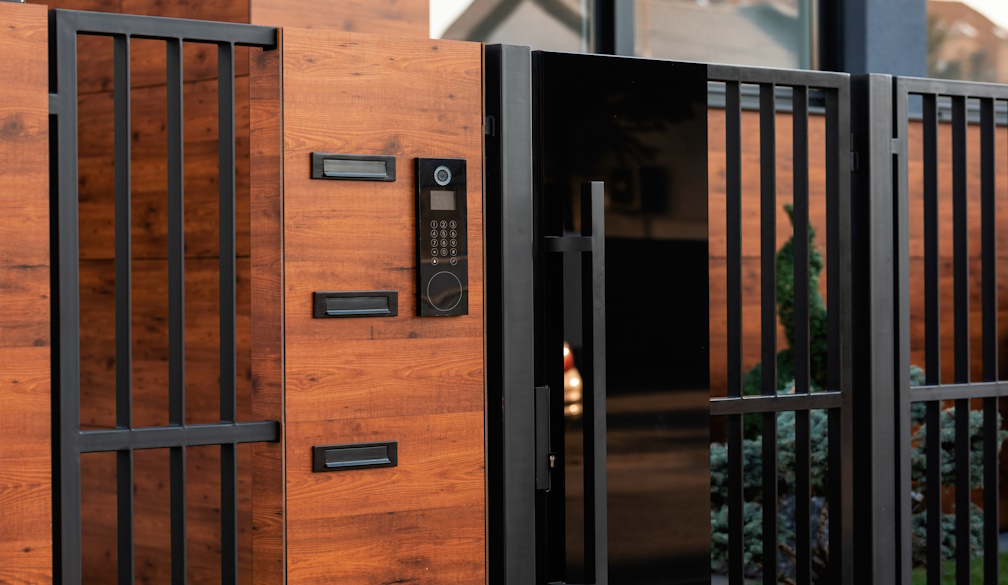
The front entrance of a home sets the tone for the entire property. It is the focal point of your exterior design, welcoming guests and anchoring your overall street appeal. However, it also serves as the critical primary line of defence against unwanted visitors. With over 70 percent of residential break-ins in Australia occurring through doors or adjacent ground-floor windows, property owners are increasingly looking for ways to fortify their entrances. The necessity for robust exterior defence is backed by sobering statistics. According to recent national data detailing crime victimisation for the 2024-25 financial year, 1.8 percent of Australian households experienced a break-in, and another 2 percent faced an attempted break-in. Enhancing your home exterior does not mean you have to turn your property into an uninviting fortress. There are plenty of design-led ways to boost physical toughness while keeping your facade looking spectacular.
Fortifying the Door and Hardware
A visually stunning solid timber or custom fibreglass door is an excellent starting point for any entryway makeover. A fresh coat of bold paint and modern, oversized house numbers can completely transform the aesthetic. Yet underneath that polished exterior, underlying structural strength is vital. The brute-force kick-in attack remains one of the most common methods of forced entry. This tactic frequently exploits weak, aging timber door frames and shallow latch plates rather than defeating the actual lock mechanism itself.
To combat this vulnerability, upgrading your physical hardware is absolutely non-negotiable. In Australia, quality door hardware is rigorously evaluated using the official AS4145.2 standard, which tests for durability, corrosion resistance, and defence against physical, brute-force entry. The physical security rating ranges from SL1 to SL8, with higher numbers indicating maximum resistance to sustained drilling and lock-picking. Choosing locks that meet or exceed these local benchmarks ensures your stylish front door is also highly resistant to tampering.
Achieving this level of certified protection requires precise, professional fitting. When installing heavy-duty deadbolts, reinforced strike plates, or complex entry systems, relying on trusted professionals like John Barnes Locksmiths ensures that premium locks are installed securely within reinforced frames. This expert touch maximises both structural strength and daily operational smoothness, giving you absolute confidence in your home perimeter.
Blending Mechanical Strength with Smart Tech
As the domestic smart home market experiences immense growth, more homeowners are shifting towards the everyday convenience of keyless entry. Current industry projections suggest that over 15 percent of Australian households will utilise smart locks by 2029. While the appeal of unlocking your front door with a smartphone or a biometric fingerprint scan is undeniable, convenience should never replace foundational safety. Top-tier digital access systems must still rely on high-grade mechanical deadbolts to prevent physical breaches and withstand sudden impacts.
A heavy-duty custom door provides essential physical resistance, but pairing it with intelligent digital solutions takes your protection to the next level. As noted in a recent guide covering essential upgrades for a smarter, safer Australian home, integrating modern hardware with a fully connected smart security ecosystem creates a comprehensive defence strategy. This connected approach acts as a central nervous system for your property, linking automatic locks, motion-activated automated lighting, and live video doorbells seamlessly together for real-time monitoring.
Landscaping for Natural Surveillance
Physical hardware is just one piece of the broader renovation puzzle. The way your front garden is designed and maintained plays a massive role in whether an opportunistic burglar decides to approach your porch at all. Research published by crime prevention authorities reveals that more than 57 percent of burglaries are completely spontaneous. These crimes rely entirely on visible vulnerabilities and convenient hiding spots rather than premeditated, highly organised targeting.
This is where the principles of Crime Prevention Through Environmental Design (CPTED) become an invaluable strategy for proactive homeowners. By carefully planning your landscaping, you can naturally deter criminal activity while simultaneously boosting your property value. Consider implementing the following design principles for a safer exterior:
- Keep front hedges trimmed: Maintain front garden shrubs at a low height to eliminate blind spots where intruders could hide while tampering with locks unseen.
- Install smart architectural lighting: Use motion-activated pathway lighting and warm wall sconces to illuminate dark corners without washing out the aesthetic warmth of your entryway.
- Define boundaries clearly: Use low decorative fencing, retaining walls, or distinct paving stones to create clear physical markers of your property line. This psychological barrier effectively discourages casual trespassing.
- Secure wide frontages: If your property features a wide street frontage or an open double driveway, an integrated electric sliding gate provides a formidable perimeter upgrade that perfectly complements modern architectural styles.
Creating a highly secure front entrance does not require sacrificing the welcoming charm of your family home. By combining reinforced doors and high-graded locking hardware with smart technology and strategic garden design, you can achieve the perfect balance. These thoughtful exterior upgrades ensure that your property looks highly appealing from the street while providing robust peace of mind for everyone resting safely inside.