Vacuum cleaners: from the Hoover to the robot revolution
- Written by: The Times
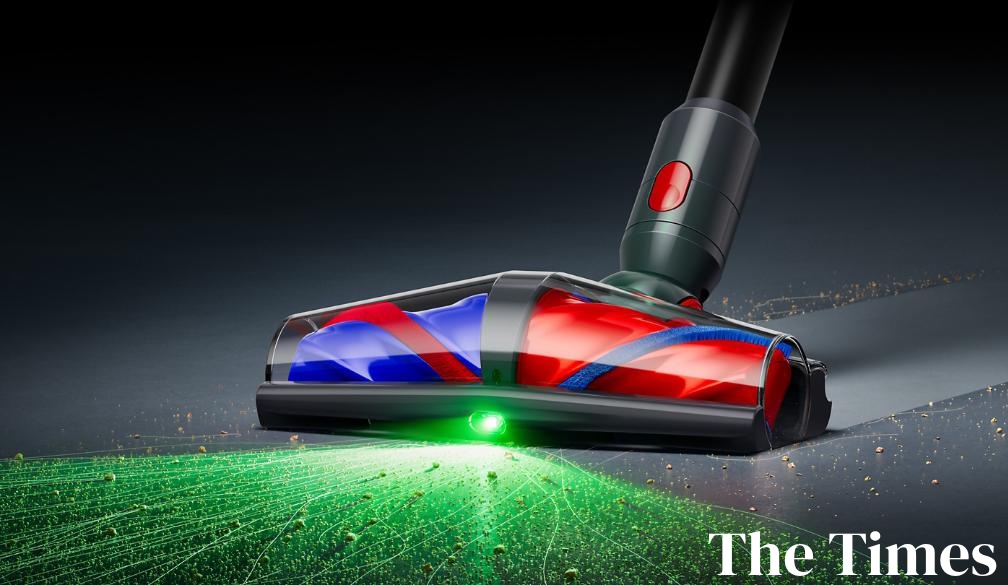
For much of the past century, the vacuum cleaner was one of the least-changed appliances in the home. Motors became more powerful, attachments improved and designs became more attractive, but the basic concept remained the same. If the floor needed cleaning, someone had to push the vacuum around the house.
So dominant was the Hoover brand that its name became part of everyday language. Many Australians still say they are "doing the Hoover" regardless of which brand they own. For decades, Hoover and its competitors produced reliable machines that differed mainly in size, colour and power.
Then came one of the biggest disruptions the industry had ever seen.
Dyson changes the game
When Dyson introduced its bagless cyclonic vacuum technology, it challenged the long-held belief that vacuum cleaners needed disposable bags to work effectively. The transparent dust bin became instantly recognisable, while powerful suction, innovative engineering and sleek industrial design helped redefine what consumers expected from a premium appliance.
Dyson also helped popularise cordless stick vacuums, giving households the convenience of lightweight, rechargeable machines that could be picked up for a quick clean without wrestling with power cords.
Today, nearly every major manufacturer offers cordless models inspired by the shift Dyson helped create.
Traditional vacuums still have a place
Despite rapid innovation, conventional vacuums remain popular.
Upright vacuums continue to be favoured for large carpeted homes where maximum suction and larger dust capacity are important.
Barrel or canister vacuums remain excellent all-rounders, particularly for homes with a mixture of carpet, timber flooring and tiles. Their flexible hoses and interchangeable heads make them effective on stairs and under furniture.
Cordless stick vacuums
Cordless stick vacuums have become one of Australia's fastest-growing appliance categories.
Their appeal is obvious:
- Lightweight and easy to use.
- No power cord.
- Quick for everyday cleaning.
- Simple to store.
- Many convert into handheld cleaners for cars, furniture and upholstery.
Battery life has improved significantly in recent years, making them suitable for many average-sized homes.
Robot vacuum cleaners
The latest revolution has arrived with robot vacuum cleaners.
Powered by advanced sensors, laser mapping, cameras, powerful microprocessors and increasingly sophisticated artificial intelligence, today's robots bear little resemblance to the early models that simply bounced around rooms until their batteries ran flat.
Modern robot vacuums can:
- Map an entire home.
- Learn room layouts.
- Detect different floor surfaces.
- Avoid furniture, shoes, toys and charging cables.
- Return automatically to recharge.
- Resume cleaning where they stopped.
- Empty themselves into a docking station.
- Vacuum and, in many models, mop hard floors during the same cleaning cycle.
- Be scheduled or controlled remotely using a smartphone.
Some premium models can even recognise high-traffic areas and spend more time cleaning where dirt is most likely to accumulate.
Which type is right for you?
The answer depends on your home and lifestyle.
Large family homes with extensive carpeting may still benefit from a traditional upright vacuum.
Mixed-surface homes often suit a quality barrel vacuum.
Busy households increasingly favour cordless stick vacuums for everyday use.
For many Australians, however, the robot vacuum has become the quiet household helper that cleans while the family is at work, shopping or asleep.
In fact, many homes now use two machines: a robot for daily maintenance and a traditional or cordless vacuum for occasional deep cleaning.
What should buyers consider?
When comparing models, look beyond price.
Important factors include:
- Suction performance.
- Battery life.
- Dust capacity.
- Noise levels.
- Ease of maintenance.
- Availability of replacement filters and spare parts.
- Warranty and after-sales support.
For robot vacuums, buyers should also compare mapping technology, obstacle avoidance, automatic dust emptying, mopping capability and smartphone integration.
The future of home cleaning
The vacuum cleaner has quietly become one of the smartest appliances in the modern home.
What began as a simple electric motor pushing air through a bag has evolved into machines that can map entire houses, recognise obstacles and clean floors with little or no human involvement.
The familiar Hoover may have become a household noun, and Dyson may have reshaped expectations of what a vacuum cleaner could be, but the latest generation of intelligent robot cleaners suggests the next stage of evolution has already arrived.
For Australian households, the choice is no longer simply which vacuum to buy—it is deciding how much of the cleaning they want to do themselves.