


IKEA: More Than Furniture—A Complete Design System for the Modern Home
- Written by: The Times
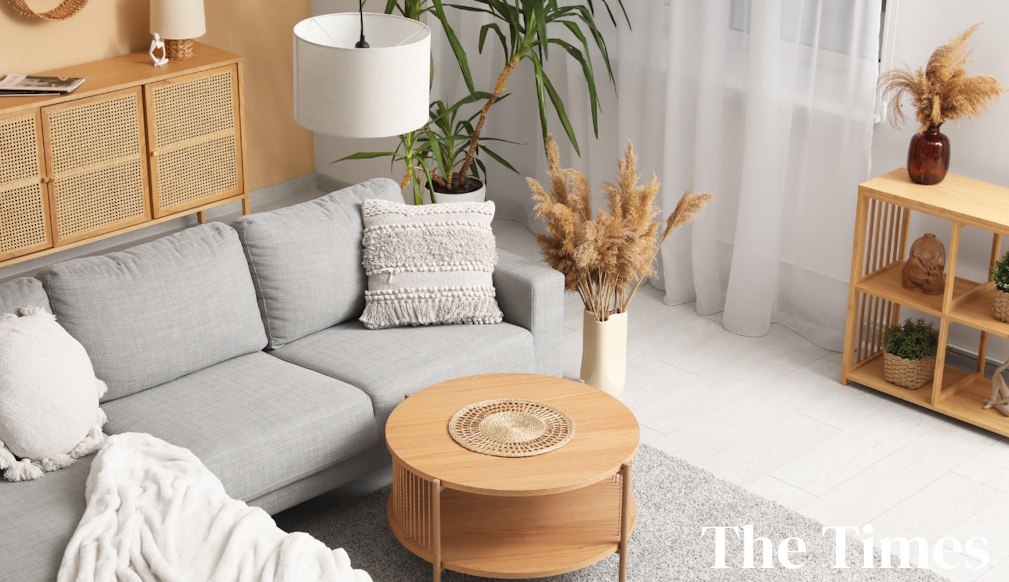
For many Australians, IKEA is simply a place to buy affordable furniture.
Look more closely, however, and it becomes clear that the Swedish retailer is selling something much broader. IKEA offers an integrated approach to interior design, allowing customers to create an entire living space using products designed to work together.
The result is a home that feels coordinated from the moment the furniture is assembled.
More than individual pieces
Traditional furniture shopping often involves visiting several stores to find a dining table, a sofa, lighting, rugs and decorative accessories.
The challenge is making those individual purchases work together.
IKEA approaches the problem differently.
Its showrooms present complete rooms where colours, textures, lighting, storage and furnishings have already been combined into practical living spaces. Customers are not simply buying a bookshelf or a dining chair—they are buying into a complete design concept.
A home that works together
One of IKEA's greatest strengths is consistency.
Cabinets complement dining tables. Lamps suit bedside tables. Rugs match soft furnishings. Storage systems share common colours and finishes.
The result is a home that feels intentional rather than assembled piece by piece over many years.
For people furnishing a first apartment, investment property or family home, that consistency can remove much of the uncertainty from interior decorating.
Designed for everyday living
IKEA has built its reputation around practical design.
Storage is often integrated into furniture. Modular shelving can grow as a family's needs change. Kitchens, wardrobes and living areas are designed with functionality as well as appearance in mind.
Many products are intended to fit comfortably into apartments and smaller homes where efficient use of space matters.
Like building with Lego
Perhaps the simplest way to understand IKEA is to think of it as a design system rather than a furniture retailer.
Just as Lego bricks are designed to fit together regardless of the individual pieces selected, IKEA products are created to complement one another.
A customer can begin with a sofa, later add shelving, lighting, artwork, storage and kitchen accessories, confident that the overall style will remain cohesive.
The home evolves without losing its visual identity.
Affordable design
Professional interior design can transform a home, but it is beyond the budget of many households.
IKEA has made coordinated design more accessible by presenting complete room concepts that customers can adapt to suit their own homes and budgets.
That combination of affordability and design consistency has helped make the company one of the world's largest furniture retailers.
Personalising the look
An IKEA home does not need to look like every other IKEA home.
Many homeowners combine IKEA furniture with family heirlooms, local artwork, indoor plants, antiques or handcrafted pieces to create a more personal style.
The furniture provides the framework, while personal touches give a home its character.
The Times View
IKEA's success is not simply the result of affordable furniture. Its real achievement has been making interior design accessible to ordinary households.
By offering coordinated collections rather than isolated products, IKEA removes much of the guesswork from furnishing a home. For many Australians, the company is not just selling tables, beds and sofas—it is providing a practical blueprint for creating comfortable, functional and attractive living spaces.










