Google AI
The Times Australia

Times Media

The Quiet Decline Of Australian Customer Service

  • Written by: The Times

Customer Service is not improved by AI

Australians are increasingly united by one unusual national conversation: customer service is becoming frustratingly difficult.

Phone systems feel endless.
Live chat often feels robotic.
Emails go unanswered.
Retail stores appear understaffed.
Consumers feel processed rather than helped.

Many Australians now approach customer service interactions with lowered expectations before the conversation even begins.

Part of the issue is economic.

Businesses facing rising wages, insurance, rent, compliance costs and energy bills are constantly searching for efficiencies. Automated systems reduce costs, but they also reduce human interaction.

Technology has solved many business problems while accidentally creating new frustrations.

Consumers increasingly complain about:

  • Inability to speak with real people
  • Endless app-based systems
  • Offshore call centres
  • Long waiting times
  • Self-service overload

Ironically, businesses pursuing efficiency sometimes create experiences that damage loyalty altogether.

The decline of department stores and smaller owner-operated businesses has also changed customer interaction.

In the past, local operators often knew repeat customers personally. Today, large-scale systems dominate many industries.

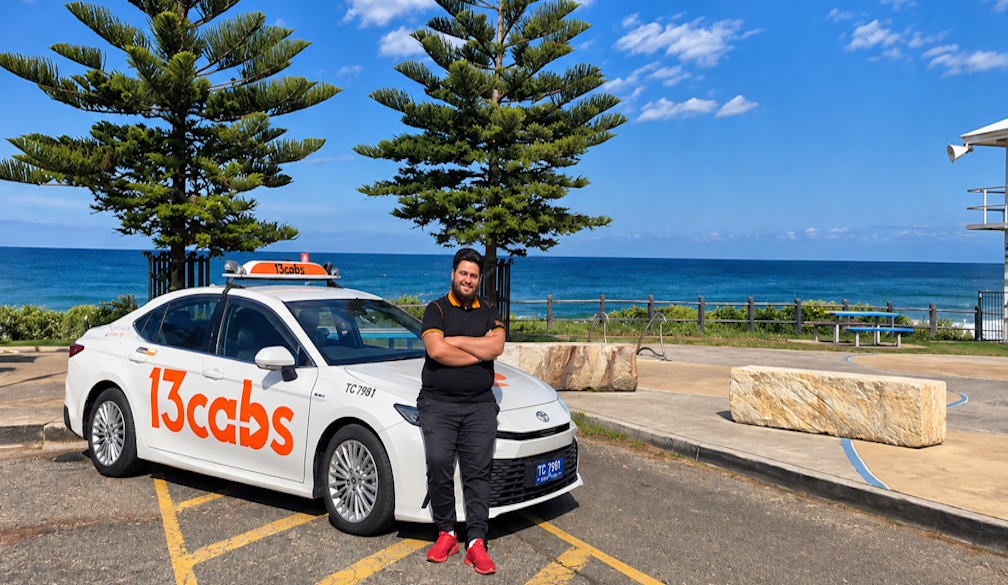
Yet some businesses are discovering opportunity in reversing the trend.

Companies offering fast response times, real human interaction and personalised service increasingly stand out in a marketplace where genuine assistance has become unexpectedly rare.

In a world of automation, humanity itself may become a premium product.

Australia

Australia's Beaches Are for Everyone. Is It Time to Rethink Beach Etiquette?

From Bondi in Sydney to Cottesloe in Perth, Australian beaches have long been places where everyone enjoys the s...

Australia's 10 Biggest Shopping Centres: Where Millions of Australians Love to Shop

Shopping centres have become far more than places to buy groceries. Today's largest retail destinations are comp...

Two Years and Six Months On: How Has the Second Trump Presidency Fared for Australia?

With the second Trump presidency now at its halfway point, Australians are in a better position to judge its imp...

Times Magazine

What Is Fatphobia? Understanding the Debate

The word "fatphobia" has become increasingly common in discussions about health, body image and so...

Does Tesla Make a Hybrid? Why the Answer Is No

As Australians continue to compare electric vehicles with hybrids, one question is asked surprisin...

Will Travis Kelce follow the athlete silicone ring trend?

From the NFL to the All Blacks, professional athletes have been ditching metal for silicone rings. W...

Technology

Why Australian Enterprises Are Reth…

The corporate landscape in Australia has undergone a permanent structural shift over the past few ...

Local News

Fremantle Ports to trial project to…

Fremantle Ports has partnered with Byssal and DevelopmentWA to trial an innovative nature-based pilo...

Culture

Is Weight Bias Part of Human Nature? What Evo…

Why do people form impressions based on another person's body size? It is an uncomfortable questi...

Travel

Demand Grows for Slower, Nature-Based Escapes

Australians are increasingly trading the pressures of everyday life for slower, more restorative t...

The Times Features

What Is Fatphobia? Understanding the Debate

The word "fatphobia" has become increasingly common in discussions about health, body image and so...

What Employers Look for Beyond the Résumé

A résumé tells an employer where you have studied, where you have worked and what qualifications y...

AI-Powered Trial Aims to Transform Ear Disease Diagnosi…

A new clinical trial could help overcome one of the biggest barriers to treating ear disease in Ab...