“Going Viral Isn’t Cool Anymore”: Australians Quietly Turning Away From Online Attention Culture
- Written by: The Times
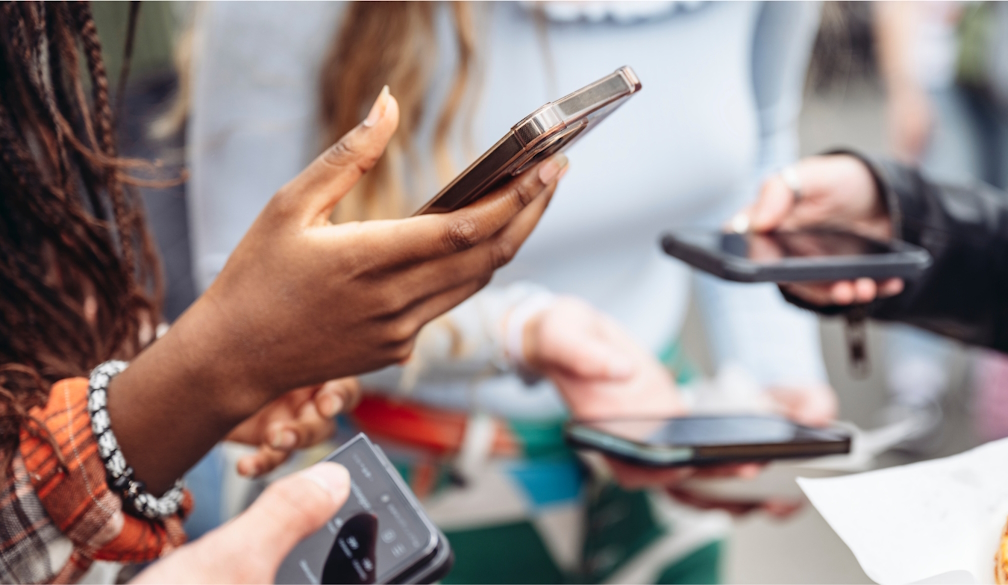
For more than a decade, social media trained people to chase attention.
Post the perfect photo.
Film the perfect meal.
Record the perfect holiday.
Go viral if possible.
But something unusual is now happening online — and Australians appear to be part of it.
A growing backlash against “always online” culture is emerging across social media platforms, with younger users in particular becoming increasingly suspicious of algorithms, influencers, artificial intelligence content and what many now describe as “performative living”.
In simple terms: people are getting tired of pretending their lives are content.
The Rise Of “Quiet Posting”
Researchers and digital commentators say Australians are increasingly shifting toward what is being called “quiet content creation”.
That means:
- Posting less frequently
- Sharing more privately
- Creating photos and videos for themselves rather than public validation
- Spending less time chasing trends
- Avoiding overproduced influencer-style content
A recent trends report found many Australians are becoming more selective about what they share online, with digital fatigue becoming a genuine social issue.
The mood shift is particularly noticeable among younger users who grew up with Instagram, TikTok and Snapchat.
Ironically, the generation most immersed in social media may also become the first generation actively rejecting parts of it.
The Internet Has Become Exhausting
Part of the problem is volume.
People are bombarded daily with:
- AI-generated images
- Viral outrage cycles
- Influencer advertising
- “Life hacks”
- Doom scrolling
- Endless recommendations from algorithms
The internet increasingly feels less human and more synthetic.
Even major fashion and lifestyle brands are now reportedly questioning whether chasing virality still makes sense.
Some brands are reducing their reliance on traditional social media campaigns and focusing instead on real-world events, smaller communities and long-form storytelling.
The logic is simple: authenticity now sells better than perfection.
“Flex Culture” Is Losing Appeal
Another major shift online is the decline of “flex culture”.
Luxury hauls, endless shopping videos, extravagant holidays and influencer excess once dominated feeds.
But during a period of rising living costs, mortgage stress and economic anxiety, many viewers increasingly see that content as disconnected from reality.
Marketing experts now argue consumers are prioritising trust and relatability over polished perfection.
People still enjoy entertainment and aspiration — but they also want honesty.
A perfectly curated lifestyle can now trigger scepticism rather than admiration.
Even Viral Trends Are Becoming Stranger
At the same time social media users are tiring of attention culture, the internet’s obsession with bizarre trends continues to intensify.
Recent viral crazes have included everything from retro “stirrup pants” returning to stores to wellness movements built around optimising digestive health.
The internet’s ability to turn almost anything into a trend remains extraordinary.
But many users increasingly appear exhausted by the speed of the cycle itself.
Today’s viral obsession can become tomorrow’s joke within hours.
Social Media Isn’t Dying — It’s Evolving
None of this means social media is disappearing.
Far from it.
Australians still spend enormous amounts of time online, and digital platforms remain central to news, entertainment, shopping and communication.
But the culture surrounding those platforms may be changing.
Experts say users increasingly want:
- Smaller communities
- More meaningful interaction
- Content that feels real
- Less algorithm manipulation
- Less pressure to perform online
Ironically, after years of social media pushing people to become brands, many users now simply want to feel human again.
That may become the internet’s biggest trend of all.