Farrer By-Election Analysis
- Written by: The Times
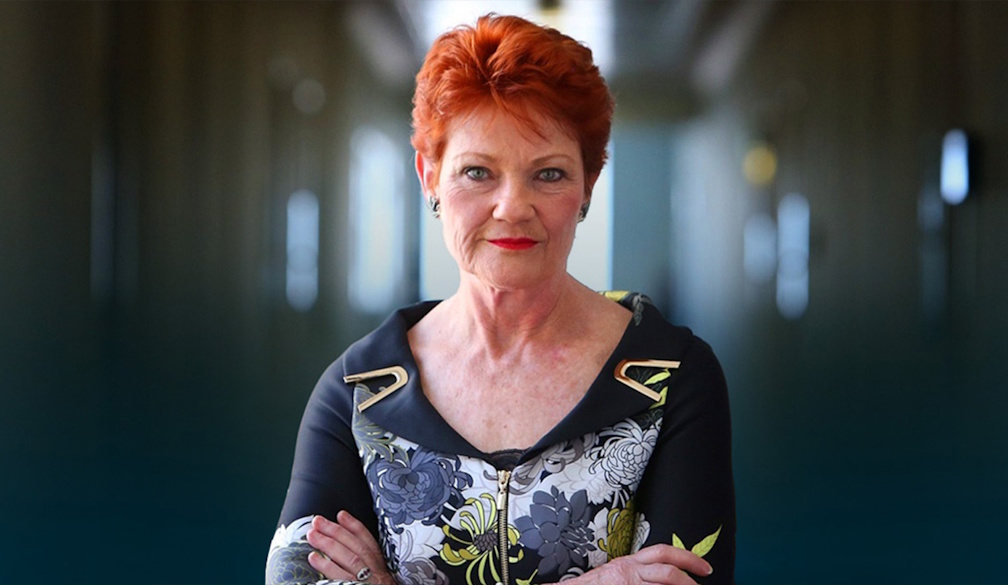
The Farrer By-Election: A Win for One Nation — What the Media Are Saying
The result of the Farrer by-election has delivered one of the most closely watched political shocks in recent Australian electoral history, with the Pauline Hanson's One Nation candidate emerging victorious in a seat long regarded as conservative territory.
Across television panels, radio commentary, newspapers and online political analysis, the question dominating discussion is not merely who won Farrer, but what the result means for the future direction of Australian politics.
For Prime Minister Anthony Albanese, the result represents a warning sign. For the Coalition, it raises uncomfortable questions about voter loyalty and political identity. For One Nation, it is being hailed as proof that the party can move beyond protest politics and become a more substantial force in Canberra.
The electorate of Farrer is geographically vast and politically diverse, covering regional centres, agricultural communities, small business districts and growing outer urban populations. That diversity has made the seat an ideal testing ground for broader national sentiment.
The result suggests many voters were looking for something different.
Not necessarily revolution. But change.
Albanese Responds
Prime Minister Anthony Albanese responded cautiously to the outcome, acknowledging voter frustration while defending the government’s broader economic and energy policies.
Media reports described the Prime Minister as “measured but concerned” following the result. Albanese reportedly emphasised that by-elections are often volatile and can reflect local dissatisfaction as much as national political trends.
Nevertheless, commentators immediately interpreted the outcome as a sign that sections of regional and outer suburban Australia remain deeply uneasy about cost-of-living pressures, energy prices and the pace of political change.
The Prime Minister has consistently argued that Labor’s renewable energy transition is necessary for Australia’s long-term economic future. Yet critics claim ordinary Australians are increasingly questioning whether the transition is delivering affordability or adding to financial stress.
That concern appeared repeatedly throughout the Farrer campaign.
What Does the Result Mean for Conservative Politics?
For conservative politics in Australia, the implications may be profound.
The Coalition has traditionally relied upon regional electorates like Farrer as part of its electoral foundation. A One Nation victory in such a seat signals that some conservative voters no longer see the Liberal and National parties as sufficiently aligned with their priorities.
Political analysts are increasingly describing a “fragmentation of the conservative vote”.
Issues repeatedly raised during the campaign included:
-
Rising electricity prices
-
Fuel costs
-
Concerns about immigration levels
-
Agricultural policy
-
Distrust of political elites
-
Frustration with bureaucracy and regulation
-
Skepticism regarding renewable energy mandates
-
Cost-of-living pressures
Many voters appear to believe the major parties are converging toward the political centre while leaving traditional conservative concerns underrepresented.
That perception creates opportunity for smaller parties.
One Nation has historically performed strongly as a protest vehicle. But the Farrer result raises the possibility that it may evolve into something more durable.
Can One Nation Become Part of the Federal Opposition?
This is now one of the most discussed questions in Australian politics.
One Nation has long been influential in Senate negotiations and state politics, but rarely viewed as a realistic participant in federal executive power. The Farrer victory may begin to alter that perception.
Political commentators are now openly discussing scenarios in which One Nation could:
-
Hold the balance of power in a hung parliament
-
Secure multiple lower-house seats
-
Influence Coalition policy direction
-
Force harder conservative positioning on immigration, energy and regional issues
-
Become part of a broader conservative alliance
Some media voices argue the Coalition may eventually need to decide whether to formally cooperate with One Nation preferences and policy priorities or risk continued erosion of its base.
Others warn such a move could alienate moderate urban voters.
That tension now sits at the centre of conservative political strategy.
Voters Want Policy Change
Perhaps the most significant message from Farrer is that many Australians appear increasingly impatient with politics as usual.
The by-election campaign was shaped less by personality and more by practical concerns.
Household budgets.
Electricity bills.
Mortgage repayments.
Petrol prices.
Food costs.
Regional infrastructure.
The result suggests a growing segment of voters believes Australia’s political leadership is not responding quickly enough to these pressures.
This sentiment is not unique to Australia. Similar political trends have emerged across Europe, the United States and parts of Asia, where voters facing economic uncertainty have increasingly supported parties promising disruption to established political frameworks.
In Australia, that dissatisfaction now appears to be spilling more aggressively into federal electoral contests.
Climate Change and Renewable Energy Debate Intensifies
Climate policy became one of the defining undercurrents of the Farrer campaign.
Labor and the Greens continue to argue that renewable energy investment is essential to reduce emissions and modernise Australia’s economy. They point to solar, wind and battery technologies as the future of global energy production.
However, critics increasingly question whether the transition is being implemented at the expense of affordability and reliability.
During the campaign, voters repeatedly raised concerns about:
-
Electricity pricing
-
Grid stability
-
Transmission infrastructure
-
Agricultural land use for renewable projects
-
Reliability during peak demand periods
-
The speed of the transition away from coal and gas
One Nation positioned itself as a defender of “practical energy policy”, arguing Australia should prioritise affordable and reliable power while maintaining conventional energy sources for longer.
That message appeared to resonate strongly with parts of the electorate.
Importantly, this does not necessarily mean Australians reject climate change concerns altogether. Rather, many voters appear to be demanding a slower, more economically cautious transition.
The distinction matters politically.
A Message Beyond Farrer
Media coverage following the result has consistently framed the by-election as more than a local contest.
Farrer has become symbolic.
To supporters of One Nation, it represents ordinary Australians demanding to be heard.
To Labor strategists, it is a warning about cost-of-living fatigue and regional dissatisfaction.
To the Coalition, it may represent a deeper existential problem: how to retain conservative voters while remaining electorally competitive in metropolitan Australia.
Political history shows by-elections do not always predict general elections. Protest votes can recede once national campaigns begin.
But sometimes by-elections reveal deeper mood shifts before the broader political system fully recognises them.
Many commentators now believe Farrer may prove to be one of those moments.
The Road Ahead
The months ahead will determine whether the Farrer result was an isolated protest or the beginning of a broader political realignment.
One Nation will now face greater scrutiny than ever before. Protest movements can campaign effectively from the political fringes, but governing — or preparing to govern — requires organisational depth, policy detail and sustained discipline.
The Coalition must decide whether to move closer to conservative populist sentiment or attempt to reclaim the political centre.
Labor, meanwhile, faces the challenge of balancing climate ambition with rising public concern about affordability and economic pressure.
What is increasingly clear is that many Australians want political leaders to focus less on ideological battles and more on practical outcomes affecting everyday life.
That message was loud in Farrer.
Canberra will now be listening very carefully.