Residential Property Prices Since the RBA Interest Rate Rise
- Written by: The Times
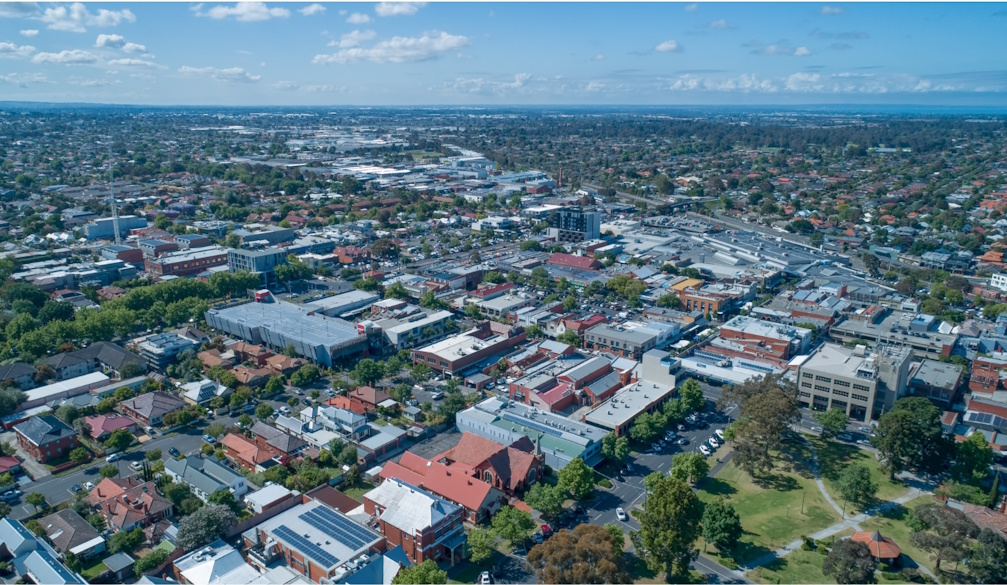
Australia’s residential property market has entered a noticeably different phase following the Reserve Bank of Australia’s renewed interest rate increases.
For years, many Australians became accustomed to a property environment where prices seemed capable of rising regardless of economic pressure. Cheap money, strong migration, limited housing supply and aggressive competition between buyers helped fuel one of the strongest housing booms in Australian history.
Now the mood is changing.
The RBA has lifted the official cash rate to 4.35 per cent following multiple increases during 2026 as inflation concerns persist.
The result is that the Australian housing market is beginning to slow, split and rebalance. Some regions remain resilient while others are already showing declining prices, softer auctions and more cautious buyers.
Importantly, experts are not generally forecasting a catastrophic crash. Instead, what appears to be emerging is a gradual cooling process with important consequences for buyers, sellers, borrowers and investors alike.
Have Noticeable Trends Emerged Yet?
Yes. Several clear trends are already visible across the Australian property landscape.
The first major trend is slowing price growth, particularly in Sydney and Melbourne.
National dwelling values have begun recording small declines, while premium suburbs have experienced sharper corrections.
Sydney and Melbourne, traditionally the most interest-rate-sensitive markets in Australia, are showing signs of fatigue. Auction clearance rates have weakened and buyer confidence has softened considerably.
Some forecasts now suggest Sydney housing prices may decline modestly through 2026.
At the same time, parts of Brisbane, Perth and Adelaide continue to show relative strength, although momentum there is also slowing.
Another obvious trend is the growing divide between premium and affordable housing.
Luxury waterfront properties, prestige suburbs and highly leveraged buyers are feeling greater pressure than entry-level markets.
Why?
Because higher interest rates reduce borrowing capacity. Buyers who once qualified for multi-million-dollar loans now find banks willing to lend far less.
That affects expensive suburbs first.
Consequences for Sellers
Sellers are discovering that the extraordinary conditions of recent years may no longer apply.
During the boom period, vendors could often list properties with confidence that:
-
buyers would compete aggressively
-
auctions would exceed reserve prices
-
properties would sell quickly
-
emotion would drive prices upward
Now many sellers face a more cautious market.
Properties are remaining on the market longer in some locations. Auction clearance rates have weakened, and buyers are negotiating more aggressively.
The consequences for sellers include:
-
reduced bargaining power
-
the need for realistic pricing
-
increased importance of presentation and marketing
-
greater risk of properties being passed in at auction
In previous years, sellers could rely heavily on fear of missing out. That urgency is fading.
Buyers are no longer assuming that prices will automatically rise next month.
For some homeowners, especially those who purchased near the peak using large loans, the situation may become stressful if they are forced to sell into a softer market.
However, widespread panic selling still appears unlikely because many Australian households accumulated substantial equity during the boom years.
Consequences for Buyers
For buyers, higher interest rates create both problems and opportunities.
The obvious problem is borrowing power.
Every rate rise reduces the amount banks are prepared to lend. A family that once qualified for a $1.4 million mortgage may now only qualify for significantly less.
That creates frustration, particularly for first-home buyers already struggling with deposits and living costs.
Mortgage stress is becoming a growing concern nationwide.
Some borrowers are now spending enormous portions of household income on repayments.
Yet buyers also gain advantages in a cooling market.
These include:
-
less competition at auctions
-
more negotiating leverage
-
increased time to conduct due diligence
-
fewer emotionally inflated sale prices
The frantic “buy now or miss forever” atmosphere has eased somewhat.
For disciplined buyers with stable finances, softer conditions may provide opportunities that did not exist during the peak of the boom.
The Hidden Winners: Australians with Cash in the Bank
One of the most overlooked aspects of rising interest rates is that not everybody loses.
Australians holding substantial cash savings in banks are benefiting from higher deposit rates.
For years, savers suffered through historically low returns. Term deposits and savings accounts often produced returns barely above zero.
Now banks are once again offering meaningful interest income.
Retirees and conservative investors holding cash reserves are receiving improved returns without exposing themselves to sharemarket volatility or property risk.
For wealthier Australians with large cash holdings, rising interest rates can actually be highly profitable.
This creates an unusual divide in the economy:
-
borrowers experience financial pain
-
savers enjoy improved returns
The same RBA decision that hurts one household may benefit another.
Mortgage Holders Feel the Wallet Pain
Variable-rate borrowers are carrying much of the burden of the RBA tightening cycle.
Successive increases have substantially lifted monthly repayments across Australia.
For many households, this means:
-
reduced discretionary spending
-
cancelled holidays
-
fewer restaurant visits
-
postponement of renovations
-
pressure on family budgets
Some borrowers who fixed loans during low-rate periods are now rolling onto much higher variable rates, producing severe repayment shock.
The cumulative impact is significant.
Rising fuel prices, insurance premiums, food costs and utilities are already straining household budgets. Higher mortgage repayments intensify the pressure.
The psychological impact matters too.
When Australians feel financially stretched, consumer confidence weakens. That affects retail spending, renovations, travel and the broader economy.
Better to Build a Home or Buy an Existing Residence?
This has become one of the biggest questions facing Australian buyers.
The answer increasingly depends on location, timing and risk tolerance.
The Case for Building
Building a new home offers several advantages:
-
modern energy-efficient designs
-
customisation
-
lower maintenance initially
-
government incentives in some cases
-
potentially lower long-term running costs
However, building has become far more expensive than many Australians expected.
Construction costs surged dramatically over recent years due to:
-
labour shortages
-
material price increases
-
supply chain disruptions
-
insolvencies within the building industry
Many Australians who signed building contracts during the boom faced lengthy delays and unexpected cost increases.
There is also the risk that land values or completed property values soften while construction is still underway.
The Case for Buying Existing Homes
Established homes provide certainty.
Buyers can inspect the finished product immediately and move in sooner.
In some softened markets, existing homes may also become negotiable in price as sellers face reduced competition.
Older homes can also occupy larger blocks in more established suburbs with mature infrastructure, schools and transport links.
However, established homes may require:
-
renovations
-
repairs
-
higher energy costs
-
ongoing maintenance
The decision ultimately depends on personal priorities, finances and market conditions in specific regions.
Units Versus Detached Housing
One of the most interesting trends emerging is the growing contrast between unit markets and detached housing.
Detached homes remain highly prized in Australia because of land value, privacy and lifestyle appeal.
However, affordability pressures are forcing more buyers toward apartments and townhouses.
As borrowing capacity falls, units become the only practical entry point for many Australians.
This is especially true in Sydney and Melbourne where detached housing prices remain extraordinarily high.
Yet unit markets can behave differently from detached housing markets.
Units are often:
-
more sensitive to oversupply
-
affected by strata costs
-
influenced by investor demand
-
vulnerable to construction quality concerns
Detached housing generally retains stronger long-term scarcity value because land itself is finite.
Nevertheless, modern apartment living is becoming increasingly normalised among younger Australians who prioritise location over land size.
In many inner-city markets, units are now attracting renewed attention because buyers simply cannot afford houses nearby.
Will Property Prices Collapse?
Most analysts currently believe a major nationwide crash remains unlikely.
Australia still faces major structural housing shortages driven by:
-
migration
-
population growth
-
constrained housing supply
-
planning restrictions
-
construction bottlenecks
These underlying supply pressures continue supporting the market even while higher interest rates reduce demand.
The likely outcome appears to be a more fragmented market:
-
weaker growth in some cities
-
declines in premium suburbs
-
resilience in affordable regions
-
strong competition for quality homes
The era of effortless double-digit growth may be fading, at least temporarily.
But Australian property remains deeply embedded in the nation’s economy, wealth creation system and cultural identity.
The Bigger Picture
The RBA’s interest rate rises are doing exactly what higher rates are designed to do: slow spending, reduce borrowing and cool inflationary pressure.
The property market is one of the first places Australians feel that impact.
For borrowers, the pain is immediate.
For buyers, the market is becoming less frantic.
For sellers, expectations are adjusting.
For cash investors, higher rates can be rewarding.
Australia’s property market is not collapsing. But it is changing.
And after years where many believed residential prices could only travel in one direction, Australians are once again being reminded that interest rates still matter.