


What Would Happen If a Designer Created a Fire and Cyclone Resistant Home That Could Be Mass-Produced Across Australia
- Written by: The Times
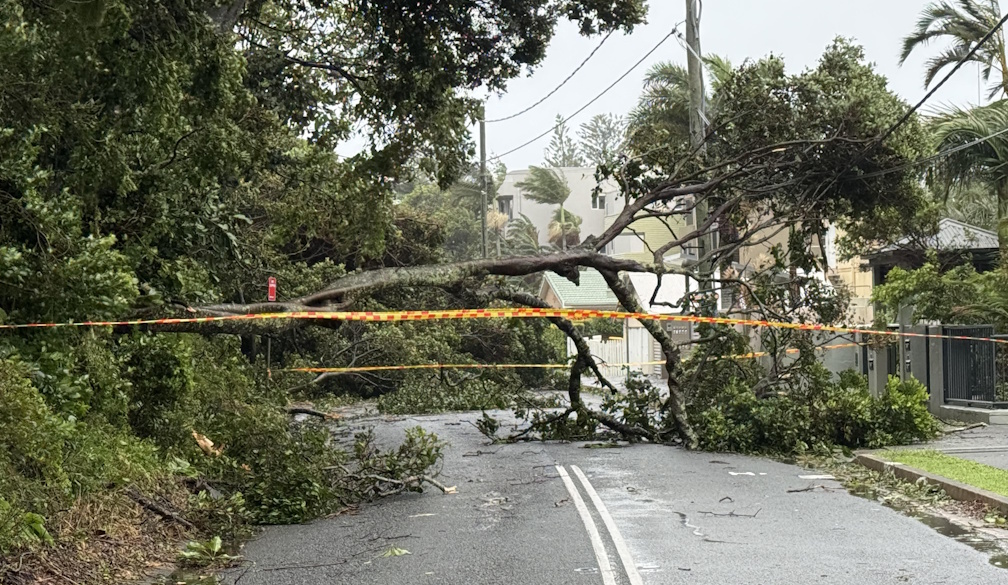
Australia is a country of extremes. From bushfires that burn with unprecedented intensity to cyclones that flatten coastal towns, the natural environment is both beautiful and unforgiving. Every summer seems to bring new records: hotter days, stronger winds, heavier rains. At the same time, Australia is grappling with a housing affordability crisis, rising construction costs, insurance blowouts and supply shortages.
Against this backdrop, imagine a single, radical idea: a privately owned dwelling, designed once, engineered to withstand bushfires and cyclones, and mass-produced across the nation.
Not a bunker. Not an emergency shelter. But a normal-looking, liveable, comfortable Australian home—one that could be rolled out from Byron Bay to Broome, from the Victorian bush to Far North Queensland.
What would happen if such a design actually existed—and was adopted at scale?
The Problem Australia Keeps Rebuilding
Each year, Australia spends billions rebuilding homes destroyed by fire, flood and cyclone. Entire communities are displaced. Insurance premiums rise. Some regions become uninsurable altogether. Governments promise resilience, but the same construction methods are often used again and again.
Traditional housing has three major weaknesses:
-
Combustible materials in bushfire zones
-
Lightweight structures vulnerable to extreme winds
-
Designs not optimised for heat, smoke, embers, water ingress, or prolonged isolation
The result? Houses that meet minimum standards but fail catastrophically under real-world conditions.
A truly fire- and cyclone-resistant dwelling would challenge the assumption that disaster losses are inevitable.
What Would This House Look Like?
Such a home wouldn’t need to look futuristic or harsh. The innovation would be in engineering and materials, not aesthetics.
Core Design Principles
-
Non-combustible external shell (concrete, reinforced masonry, steel, or advanced composites)
-
Ember-proof design: sealed vents, no exposed eaves, minimal joints
-
Cyclone-rated structure: continuous load paths from roof to slab
-
Impact-resistant windows and shutters
-
Aerodynamic roof design to reduce uplift
-
Passive cooling and heat deflection
-
Self-contained power and water resilience
In short, a home designed to ride out disaster rather than flee from it.
The Power of Mass Production
The real revolution wouldn’t be the design—it would be the manufacturing model.
Instead of bespoke builds on every site, this home could be:
-
Factory-built or modular
-
Transported and assembled quickly
-
Standardised to reduce cost overruns
-
Customisable internally without altering the structural shell
Mass production would unlock:
-
Lower per-unit costs
-
Faster build times
-
Consistent quality control
-
Predictable insurance outcomes
Much like the automotive industry, the biggest gains come when design, engineering and production are aligned.
What Would Change If These Homes Became Common?
1. Disaster Recovery Would Be Transformed
Entire suburbs wouldn’t need rebuilding after each major event. Emergency services could focus on lives, not widespread property loss. Communities could remain intact.
2. Insurance Markets Would Reset
Homes that demonstrably survive fire and cyclone events would attract:
-
Lower premiums
-
Long-term cover availability
-
Reduced government disaster payouts
In some regions, this could be the difference between viable home ownership and abandonment.
3. Housing Affordability Could Improve
Mass-produced, standardised dwellings could:
-
Reduce construction costs
-
Shorten approval and build times
-
Enable faster delivery of housing stock
This wouldn’t solve all affordability issues—but it would remove some of the volatility that drives prices up.
4. Regional Australia Would Become More Attractive
People are hesitant to move to cyclone- or fire-prone regions. Resilient housing could reverse that trend, supporting regional economies and easing pressure on capital cities.
Why Hasn’t This Already Happened?
The barriers are not technical—they are systemic.
Regulatory Fragmentation
Australia has:
-
Different state planning systems
-
Local council overlays
-
Varied interpretations of building codes
A single national design struggles to move cleanly through all jurisdictions.
Industry Inertia
The construction industry is conservative by necessity. Builders rely on familiar materials, trades and margins. Innovation threatens established workflows.
Upfront Cost Psychology
Even if a resilient home is cheaper over 30 years, buyers often focus on:
-
Initial purchase price
-
Not lifetime risk reduction
This makes it hard for new models to gain traction without policy support.
The Role of Government (Without Owning the Homes)
Crucially, this wouldn’t require governments to build houses.
Instead, governments could:
-
Fast-track approvals for certified resilient designs
-
Offer stamp-duty or planning incentives
-
Align disaster funding with resilient construction
-
Encourage insurers to recognise resilience formally
Private ownership, private capital, private choice—public benefit.
A Cultural Shift in How Australians Think About Homes
For decades, Australian housing has been about:
-
Location
-
Size
-
Appearance
-
Investment potential
Climate reality forces a new priority:
-
Survivability
-
Self-sufficiency
-
Long-term resilience
A mass-produced fire- and cyclone-resistant home would signal a shift from hope to preparedness.
What If This Became the New Baseline?
If such a dwelling became common, future Australians might look back and ask:
Why did we ever build houses that couldn’t survive the environment they were placed in?
Much like seatbelts, cyclone-rated construction and bushfire-proof materials may one day feel non-negotiable.
Australia is uniquely positioned to lead this change. The risks are known. The technology exists. The need is undeniable.
The only question left is whether the country chooses to design for the future—or keep rebuilding the past.










