The Inland Rail Dream Scaled Back: What Happened to One of Australia’s Biggest Infrastructure Visions?
- Written by: The Times
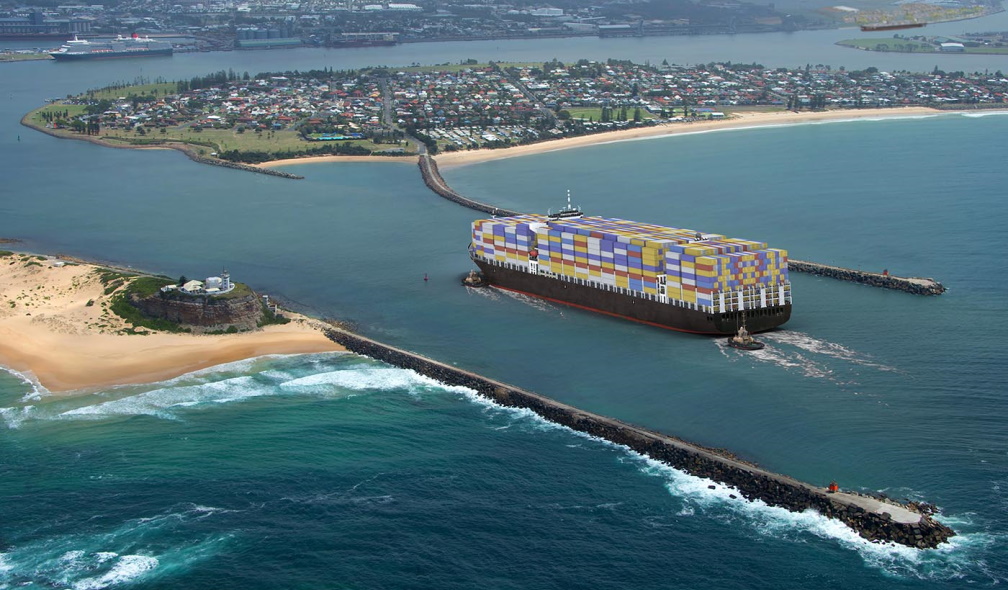
The Inland Rail project was once promoted as one of the most transformative infrastructure initiatives in Australian history.
The vision was ambitious:
A major freight rail corridor connecting Melbourne and Brisbane through regional Australia, reducing transport congestion, reducing container shipping costs and stimulating inland economic growth.
Supporters believed the project could revolutionise freight logistics, strengthen supply chains and boost regional development.
But years later, the project has become increasingly associated with delays, cost overruns, political disputes and scaled-back expectations.
Critics now argue the original vision has effectively been abandoned.
Questions continue surrounding:
-
Budget blowouts
-
Route controversies
-
Environmental impacts
-
Community opposition
-
Engineering complexity
-
Political management
The project illustrates a broader challenge confronting modern Australia.
Large-scale nation-building infrastructure has become increasingly difficult to deliver efficiently amid regulatory complexity, rising construction costs and political instability.
Yet freight demand continues growing.
Australia’s population is expanding.
Road congestion worsens.
Transport infrastructure remains critical to national productivity.
Many industry groups still believe improved inland freight rail remains strategically important.
The debate now centres on whether the original Inland Rail concept can realistically be salvaged or whether governments must rethink the entire approach.