The Global Nappy Industry: The Big Players
- Written by: The Times
The global nappy industry is one of the largest, most resilient and most quietly profitable consumer sectors in the world. Babies are born every day in every country, and for parents, nappies are not considered a luxury. They are an essential product. That simple reality has created a multi-billion-dollar industry dominated by some of the world’s most recognisable consumer goods companies.
Whether referred to as nappies in Australia and Britain or diapers in the United States, the product has evolved from reusable cloth squares washed in the family laundry to highly engineered disposable hygiene products sold in supermarkets, pharmacies, convenience stores and online marketplaces around the globe.
For investors and businesses, the nappy sector represents something many industries can only dream of: constant demand.
A baby requires thousands of nappy changes during infancy. That means recurring purchases week after week, month after month. Even during economic downturns, recessions and periods of inflation, parents still need to buy nappies.
That reliability has made the sector fiercely competitive.
The biggest global player is widely considered to be Procter & Gamble, the owner of the Pampers brand. Pampers is one of the most recognised baby product names in the world and dominates shelves across North America, Europe, Asia and parts of the developing world. The company has invested enormous sums into marketing, product research and hospital partnerships, often ensuring that new parents encounter the Pampers brand almost immediately after childbirth.
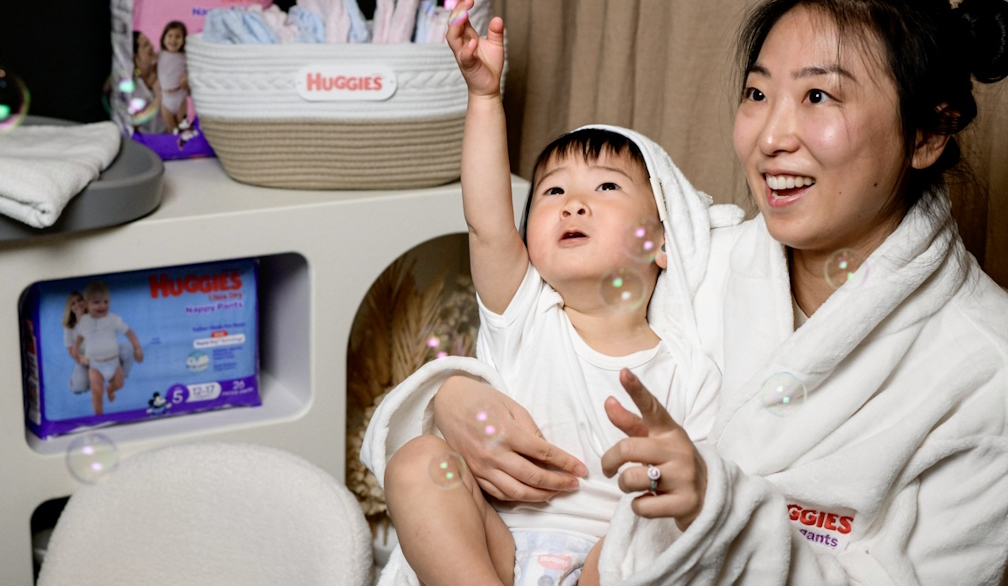
Another major force is Kimberly-Clark, maker of Huggies. Huggies has built a reputation around comfort, absorbency and baby care branding. The battle between Pampers and Huggies has shaped the modern disposable nappy market for decades, particularly in Australia, the United States and Europe.
European giant Unicharm has also become a dominant force throughout Asia. Its products are especially strong in Japan, Southeast Asia and emerging Asian economies where rising incomes and urbanisation are increasing demand for disposable hygiene products.
Meanwhile, private label supermarket brands have become increasingly powerful competitors. Large retailers have realised many parents are highly price sensitive and willing to switch brands if savings are meaningful. Supermarket chains around the world now produce their own lower-cost nappies that often compete aggressively against premium brands.
Affordability has become one of the defining issues in the industry.
Disposable nappies can represent a significant expense for families, especially those with multiple children. In wealthier nations many parents simply absorb the cost into weekly household budgets, but in developing nations affordability can determine whether disposable nappies are used at all.
In many third world and lower-income countries, cloth nappies remain common because they can be washed and reused repeatedly. For families facing tight budgets, a reusable cloth option may simply make more economic sense despite the inconvenience.
Yet disposable products are steadily expanding into poorer regions as manufacturing improves and costs fall.
Companies understand that capturing emerging markets can create enormous long-term profits. As incomes rise in parts of Africa, India, Southeast Asia and Latin America, consumer habits often shift toward convenience products. Disposable nappies save time, reduce washing and are heavily marketed as more hygienic and modern.
That transition has created a race among manufacturers to produce cheaper disposable products targeted at lower-income consumers.
In some countries, companies offer smaller packet sizes designed specifically for daily cash buyers rather than large weekly supermarket shoppers. Instead of purchasing a bulk pack, parents may buy only a few nappies at a time from small neighbourhood stores. This strategy allows brands to access poorer consumers who may not have enough disposable income for larger purchases.
Marketing in the nappy industry is sophisticated and emotionally driven.
Unlike many products, nappies are marketed not merely as functional items but as symbols of care, love and responsible parenting. Advertising campaigns often focus on happy babies, peaceful sleep, family bonding and parental reassurance.
The industry also relies heavily on fear-based marketing techniques.
Parents are reminded of leakage risks, skin irritation, rashes and interrupted sleep. Premium products promise superior absorbency, dryness indicators, softer materials and overnight protection. Companies understand that exhausted parents are often willing to pay more if they believe a product will improve comfort or reduce stress.
Hospitals and maternity wards are another important battlefield.
Providing free samples to new mothers is one of the most effective strategies in the industry. Parents frequently continue buying the first brand they encounter after childbirth, creating potentially years of customer loyalty.
Digital marketing has also transformed the sector.
Social media influencers, parenting bloggers and online parenting forums now play major roles in product promotion. Companies target mothers and fathers through pregnancy apps, baby development websites and targeted online advertising that follows consumers across the internet.
Environmental concerns, however, are becoming increasingly important.
Disposable nappies create substantial landfill waste, and critics argue that billions of discarded nappies worldwide pose long-term environmental problems. This has encouraged renewed interest in reusable cloth nappies and hybrid systems combining washable components with disposable inserts.
Some manufacturers now market “eco nappies” made from biodegradable or partially plant-based materials. These products often target wealthier consumers willing to pay premium prices for environmentally conscious alternatives.
The economics of the industry remain formidable.
A successful global nappy brand benefits from extraordinary repeat business. Babies outgrow nappies, but there is always a new generation of consumers arriving. Few industries enjoy such a constant renewal cycle.
For manufacturers, the challenge is balancing quality, affordability and brand loyalty while competing in a market where supermarket shelves are crowded and price pressure is intense.
For consumers, the challenge is simpler: finding a product that works, fits the household budget and keeps babies comfortable.
The global nappy industry may not attract the glamour of technology companies or luxury fashion brands, but it remains one of the most dependable and fiercely contested sectors in world business. Behind every supermarket aisle stacked with colourful packets lies a massive international battle for market share, customer loyalty and the spending power of parents everywhere.