For Many Finances Are Strained But the Dining Out Evening May Not Be Impossible
- Written by: The Times

For many Australians, the cost of living has changed everyday habits. Mortgage repayments are higher, rents have climbed, supermarket prices remain elevated and even modest household bills seem to arrive with greater force than they once did. Dining out, once considered a regular pleasure for many families and couples, is increasingly viewed as a luxury.
Yet despite tighter budgets, restaurants continue to fill on Friday and Saturday evenings. Why? Because dining out has never been solely about food.
Restaurants provide atmosphere, conversation, celebration and a break from routine. They are places where friends reconnect, couples slow down long enough to actually talk, and families gather around something other than screens and notifications.
The good news is that enjoying a restaurant occasion does not necessarily require an extravagant bill. With a few sensible strategies, Australians can still enjoy the experience while spending far less than they might expect.
One of the easiest ways to reduce the final bill is to skip the entrée or appetiser altogether.
Many restaurant appetisers are deliberately designed as profitable additions. Garlic bread, bruschetta, small seafood plates and shared starters can quietly add another $15 to $30 per person before the main course even arrives. By the time drinks and dessert are included, the cost of a supposedly casual evening can become substantial.
If diners still want something small before the meal, another option is to do the reverse: skip the main meal and simply order an appetiser.
Many modern restaurants now offer generous small plates or tapas-style dishes that are perfectly satisfying on their own. A quality appetiser shared with a drink can create a relaxed social experience at a fraction of the cost of a traditional three-course dinner.
There is also less pressure to “eat heavily” simply because you are dining out.
Another effective strategy is to skip dessert.
Restaurant desserts often carry significant mark-ups. A simple slice of cake or scoop of gelato can cost almost as much as preparing an entire dessert at home. Many diners order dessert more from habit than actual hunger.
There is no shame in finishing the evening with a coffee, tea or sparkling water instead.
In fact, many Australians are beginning to prefer lighter dining experiences rather than leaving restaurants feeling overly full and financially uncomfortable.
Alcohol is another area where costs rise rapidly.
A premium bottle of wine in a restaurant may cost three or four times its retail bottle shop price. Cocktails can quietly push a dinner bill upward with surprising speed. Ordering a cheaper wine, choosing house wine or sharing a single bottle between several people can dramatically reduce spending without ruining the occasion.
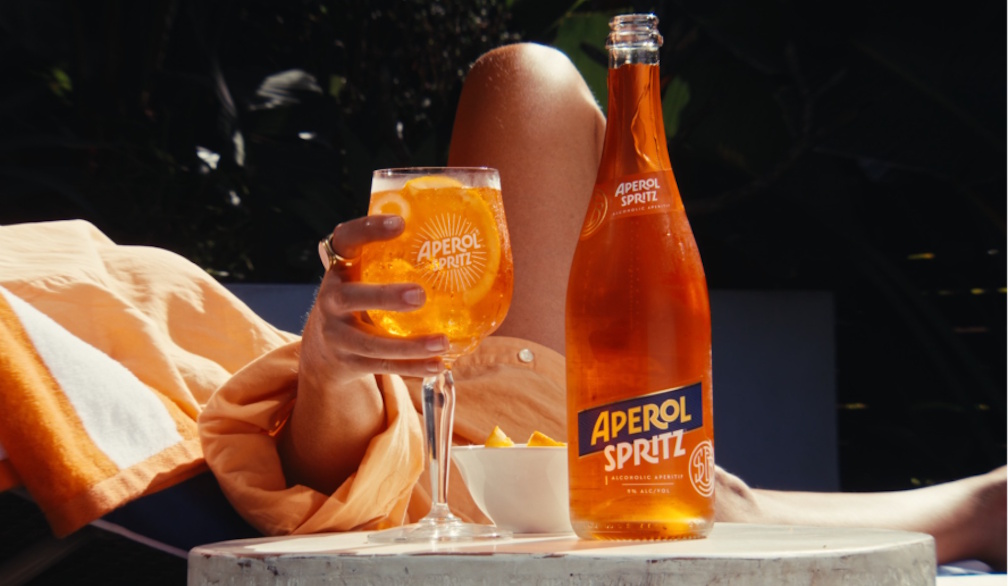
And increasingly, some diners are choosing sparkling water instead of alcohol altogether.
Sparkling mineral water still feels sophisticated at the table, complements food well and removes the risk of a hangover or expensive taxi fare home. Many people are discovering that dining out without heavy alcohol consumption can actually improve conversation and make the evening feel more enjoyable.
Another growing trend among budget-conscious diners is seeking restaurants with low corkage fees and BYO alcohol options.
Bringing a carefully selected bottle purchased at retail prices can substantially reduce the cost of an evening. Some suburban restaurants continue to offer very affordable corkage arrangements specifically to attract regular local customers.
For wine enthusiasts, BYO dining also allows access to wines that may not appear on restaurant lists.
However, diners should always remain respectful of venue policies. Restaurants rely heavily on beverage sales for profitability. Supporting the establishment by ordering food generously or purchasing some drinks alongside BYO wine helps maintain goodwill.
Timing can also influence affordability.
Lunch menus are often substantially cheaper than evening menus despite offering very similar food. Midweek specials, early dining promotions and set menus can provide excellent value compared with peak weekend trading periods.
Some restaurants quietly offer group discounts as well.
Larger bookings may attract complimentary appetisers, discounted banquet menus, reduced corkage or package deals. It is worth politely asking when booking for birthdays, family gatherings or work dinners. Many venues prefer slightly lower margins on larger groups rather than empty tables.
Sharing meals is another overlooked strategy.
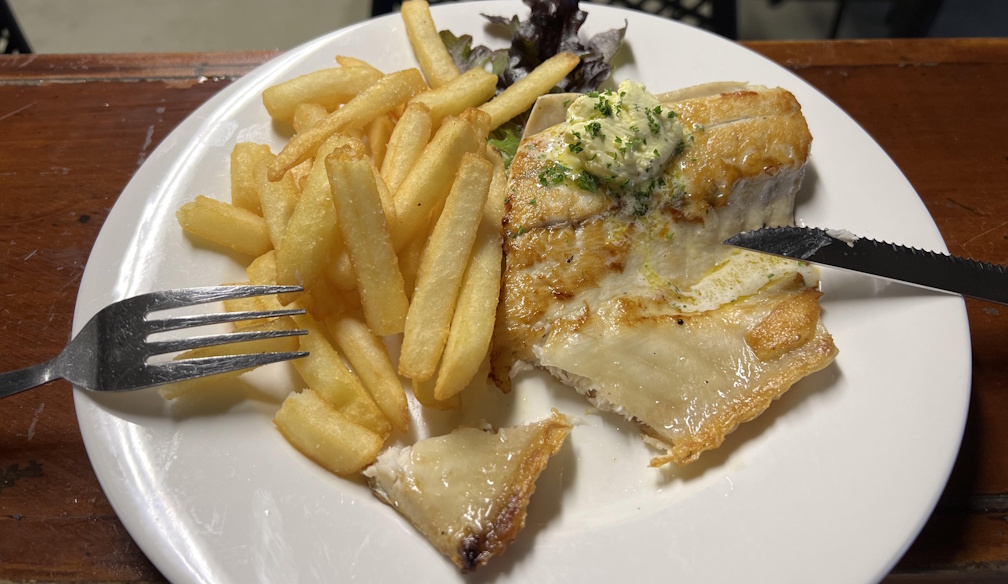
Restaurant portion sizes in Australia are often generous. Ordering shared dishes, sides or banquet-style meals can reduce waste while lowering costs. Some couples increasingly order one larger main meal with shared sides instead of two separate heavy dishes.
Importantly, however, dining out should not become an exercise in embarrassment or financial stress.
The purpose is enjoyment.
Most restaurants understand the current economic environment. Staff are unlikely to judge diners who order modestly, skip desserts or drink sparkling water. In fact, many venues would rather welcome repeat customers spending carefully than lose customers entirely.
Technology has also reshaped dining habits.
Food delivery services such as Uber Eats, DoorDash and Menulog provide convenience and can sometimes appear cheaper than dining in. Watching a movie at home with takeaway certainly has its place in modern life.
But restaurants are more than food delivery points.
A proper restaurant experience creates something that takeaway apps cannot replicate: uninterrupted time together. The simple act of sitting across from someone, listening carefully, sharing stories and slowing down for an hour or two still matters enormously in modern Australian life.
Restaurants create atmosphere. Lighting, music, service and the energy of a dining room all contribute to the occasion. Even modest local eateries can provide an emotional lift that takeaway containers on a coffee table rarely achieve.
For many couples, dining out remains one of the few occasions where phones are briefly put aside and proper conversation resumes.
That social value should not be underestimated.
Australians are also becoming more strategic about where they dine.
Neighbourhood restaurants, suburban family-run venues and local cafes often provide better value than highly marketed inner-city establishments charging premium prices largely for location and prestige. Excellent food experiences are increasingly found away from expensive dining precincts.
Online reviews and social media have also helped diners identify value-driven venues.
Another emerging trend is treating restaurant outings as occasional quality experiences rather than routine habits.
Instead of dining out multiple times per week, some Australians are choosing fewer but more meaningful outings. When approached this way, even modest restaurant dinners feel more special and financially manageable.
Importantly, hospitality businesses themselves are under enormous pressure.
Restaurants face rising wages, higher insurance costs, elevated rent, expensive utilities and volatile food prices. Many venues are not generating extraordinary profits despite higher menu prices. Some are simply trying to survive in a very difficult operating environment.
That reality explains why restaurant pricing has climbed so sharply in recent years.
Yet despite the financial strain affecting both diners and operators, restaurants remain deeply woven into Australian social culture. Birthdays, anniversaries, business meetings, first dates and family celebrations still gravitate toward restaurants because food has always been connected to human connection.
Perhaps that is why Australians continue finding ways to dine out even during difficult economic times.
The experience itself still matters.
And perhaps the future of dining out is not about extravagance at all. Perhaps it is about choosing carefully, spending thoughtfully and remembering that the most valuable part of the evening was never necessarily the expensive entrée, premium wine or oversized dessert.
It was the company sitting across the table.