Labor derails regional freight to fund high-speed pipedreams
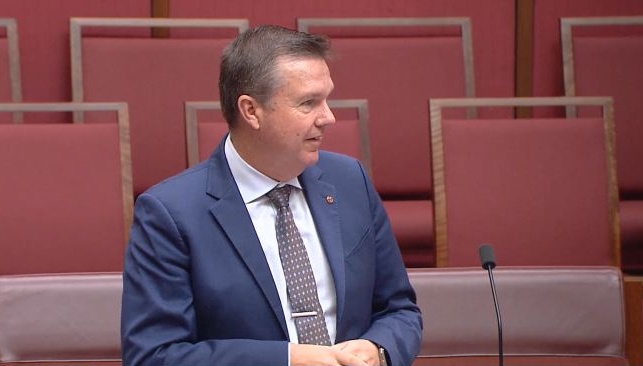
The Albanese Labor Government’s decision to abandon the critical New South Wales to Queensland leg of the Inland Rail project exposes a hypocritical agenda that strips funding from regional supply chains while promising billions for high-speed rail.
Hunter-based Nationals Senator for New South Wales, Ross Cadell, said the decision to slash funding for the nation-building freight project was a calculated abandonment of regional communities, dressed up as a budget saving.
"Labor expects regional Australians to believe the cupboard is bare for a freight line that actually moves our food, fibre, and fuel, yet somehow they are going to find the money for a high-speed rail pipedream," Senator Cadell said.
"If Canberra cannot aKord to finish the Inland Rail, how on earth can we aKord high speed rail? It is just another example of creative accounting from a Labor Government that prioritises city-centric headlines over practical reality.
"They are quite happy to find billions to avoid a political horror show in the metropolitan seats, but when it comes to the supply chains that actually keep this country running, their answer is to stop the train halfway."
Senator Cadell said the economic impact of the government's shifting priorities was already being felt locally.
"Right here in the Hunter, we are seeing the very real consequences of Labor's inability to govern for all Australians. We have local industries crying out for supply chain investment, yet real, foundational jobs are simply not being funded," Cadell said.
"Our region does the heavy lifting to keep the lights on and the economy moving, but the investment is flowing straight back to the capital cities.
“Communities across regional New South Wales staked their economic futures on this infrastructure. They were promised a connection that would open up markets, and instead, Canberra has just pulled the rug out from under them.
“It’s time to get back to basics and build Australia first. You cannot keep cutting regional infrastructure to the very businesses, while chasing glossy mega-projects and expect our industries to stay competitive.
“No matter how you look at it, regional Australians lose under L