How Gardening Can Have a Positive Impact on Your Life
- Written by: Times Media
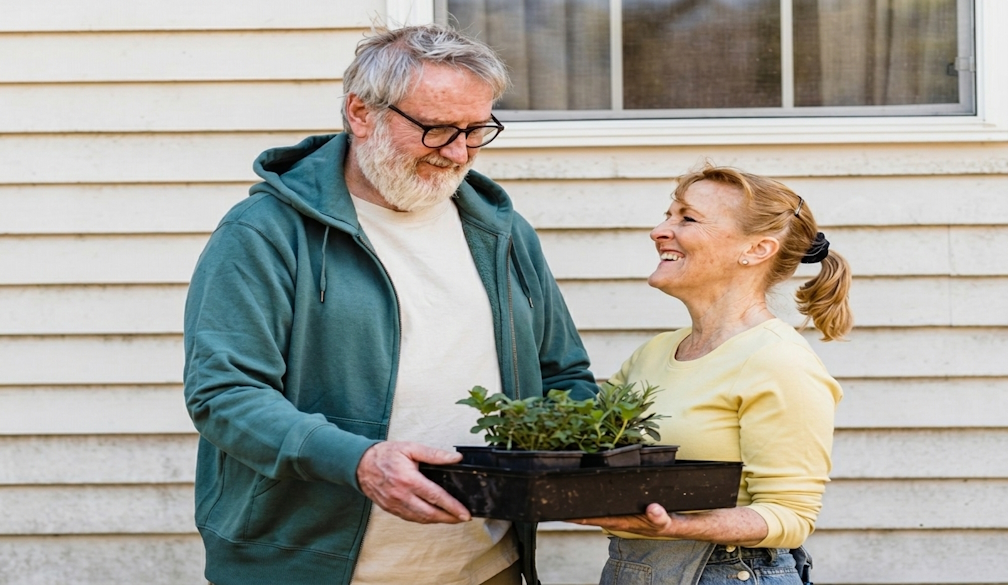
Gardening could be anything from taking care of a few pots on a balcony to growing a large vegetable patch in your backyard. Once you start growing something yourself, ordinary parts of your day begin to feel a little more structured and a whole lot better. You water a plant before checking your phone and notice that the basil has grown three new leaves. You suddenly care about the weather for reasons that have nothing to do with whether you need an umbrella. It’s safe to say that gardening can have a positive impact on your life, so let’s talk about that.
You Get A Reason To Step Outside
Having something that needs checking is a good way to break up a day spent indoors. You can step outside while the kettle boils and pull a few weeds. You can inspect the tomatoes and go back inside ten minutes later. That small interruption does a lot for you. It can stop your whole day from becoming one long stretch of sitting and scrolling.
Having an outdoor task that isn't measured by productivity improves your mental health. Your plants just need water, light and some of your attention. If you’ve been working at a computer all day, even standing outside with a watering can can feel like a proper change of scenery.
You Become Much Better At Noticing Small Changes
Gardening makes you pay attention to many new things. One morning, a plant looks exactly as it did yesterday. A week later, there’s a new flower tucked underneath the leaves. You start noticing these things, and you get excited about them. Then there are other details. You notice which areas get afternoon sun or where the soil dries out first.
That attention can spill into other parts of your life. You might notice that your favourite chair gets better morning light, or that the kitchen window is warmer than you thought. You start opening curtains because your plants need the light, then realise you actually like having the room brighter. Gardening gives you plenty of these discoveries, and they don't require much effort once you're already looking.
You Learn Which Things Are Worth Paying For
Gardening can teach you to stop buying whatever happens to be cheapest and cheerful-looking at the garden centre. Good materials matter. High-quality vegetable seeds are vital if you actually want a bountiful harvest. Starting with poor seed can turn a reasonable growing attempt into a lot of waiting for nothing much to happen.
You also become more selective because you learn through experience. You might buy a cheap tool once, only to watch it bend the next day. Spending a few more dollars on something sturdy is sensible.
You Have Something Real To Show For A Weekend
Spending part of Saturday doing something that leaves visible evidence behind can make you stand tall and proud. You can clear a planter or repot something, and by the end of the afternoon there’s a physical change in front of you. It isn't an abstract sense of achievement. The pot is sitting there. The soil is in it. Your hands are filthy, and you’re proud of doing the work.
If most of your work happens on a screen, this sense of achievement can be so rewarding. A completed spreadsheet looks exactly the same whether you’ve been staring at it for twenty minutes or four hours. A freshly planted pot doesn't.
You Start Eating Things You Grew Yourself
Growing food changes the way you think about what ends up on your plate. If you’ve watched a tomato slowly develop from a tiny green shape into something you can pick, you're much less likely to treat it as just another item from the supermarket. You’ll probably eat it standing at the kitchen bench at least once, which is practically compulsory.
Herbs are good for this. They're useful without demanding a huge amount of space. Snipping fresh mint for a drink or grabbing basil for dinner makes cooking feel more connected to what you're doing outside. Sometimes having six leaves of something you grew yourself is enough to make an ordinary meal feel at least a little bit more interesting.
Conclusion
Perhaps the best thing about gardening is that it gives you plenty of room to be interested without becoming obsessed. You can spend an entire day working outside, or ignore your pots for most of the week and give them some attention on Sunday morning. Either way, you've got something living nearby that asks for a little care and gives something back. That's a pretty good arrangement.