The Benefits of Choosing Inspired Fragrances Over Designer Brands
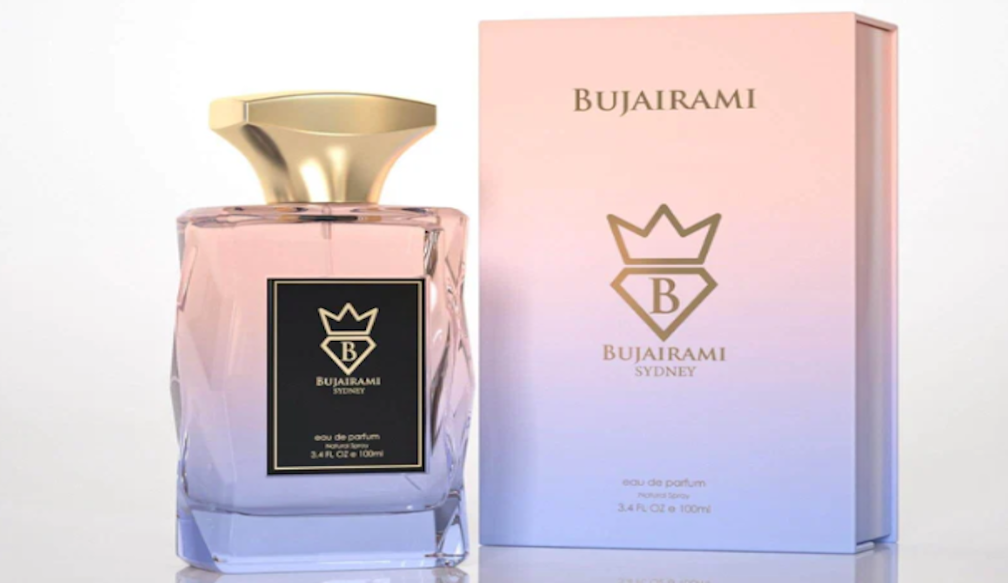
Photo: Bujairami Perfumes
There's a particular kind of guilt that comes with owning a bottle of designer fragrance you genuinely love. You spritz it sparingly, saving it for meetings that matter or nights out that feel worth it. And more often than not, you catch yourself counting wears, mentally dividing the price tag by the millilitres, wondering if today really warrants a spray of something that cost you $240. That's not luxury, that's rationing. If you love fragrance the way you suspect you do, you don't want less of it in your life. You want more: more variety, more daily wear, more joy in the small act of getting ready in the morning.
But here's what many smart buyers have already figured out: you can build a full fragrance wardrobe of scents you love without the designer markup. Inspired fragrances, when they're made well, offer the character and quality of your favourite designer perfumes at a fraction of the cost. But not all inspired fragrances are created equal, so you deserve an honest breakdown before you spend a cent. In this post, you'll discover what you're really paying for with designer brands, what quality inspired fragrances actually deliver, and how to recognise the difference.
What You're Actually Paying For With Designer Fragrance
When you pick up a $250 designer bottle, it's worth asking where that money actually goes. Industry estimates suggest the fragrance itself, the juice inside the bottle, often accounts for less than 10% of the retail price. The rest is spread across marketing campaigns, celebrity endorsements, elaborate packaging, retail margins, and licensing fees paid to the fashion house whose name sits on the label.
That's because designer fragrances are, at their core, fashion products. The scent is often a vehicle for brand prestige rather than the primary focus, so what you're really buying is the story, the advertisement you saw on a billboard, and the carved glass bottle on your dresser.
Here's something most buyers don't realise: many designer houses don't create their own fragrances. Instead, they outsource the work to the same handful of perfume manufacturers, Firmenich, Givaudan, and IFF, that also supply the inspired fragrance market. So when you pay $250, you're not paying for better ingredients. You're paying for the box, the campaign, and the name on the bottle.
What Inspired Fragrances Actually Are (And What They Aren't)
Inspired fragrances are scents crafted to evoke the character, notes, or mood of well-known designer perfumes. They aren't counterfeit copies, and they aren't illegal knockoffs. Rather, they're original compositions created to deliver a similar olfactory experience, built by perfumers who understand exactly how the originals are structured.
That said, it's important to separate quality inspired fragrances from the cheap dupes sold in discount stores or at weekend markets. Those tend to rely on diluted oils, harsh alcohol bases, and no real thought to longevity. Quality inspired fragrances, on the other hand, use comparable fragrance oils, proper alcohol bases, and go through longevity testing before they reach your dresser.
The business model behind them is straightforward. By skipping licensing fees, celebrity deal-making, and luxury retail markups, inspired fragrance brands can invest more of the price directly into the juice itself. And really, that's the part that matters. In practice, a well-made inspired fragrance wears, projects, and lasts on your skin in ways that genuinely rival its designer counterpart, sometimes indistinguishably.
The Real-Life Benefits of Switching
The first thing you notice is the freedom. There's no more rationing, no more saving your favourite scent for "special occasions," no more mental maths before every spray. Instead, you wear fragrance every day, reapply after lunch if you feel like it, and enjoy it the way you always wanted to.
The second benefit is variety. Instead of two or three designer bottles carefully preserved on your dresser, you can own five or six scents, rotated by mood, by season, by outfit, for the same overall spend. A fresh citrus for Monday mornings, a warm amber for cooler evenings, a soft floral for weekend brunches. That's a real fragrance wardrobe.
You also get room to experiment, because lower price points mean lower risk, so you can try bolder, more interesting scents beyond the safe designer classics you already know. And when the compliments come, and they will, the people around you aren't smelling the price tag. They're smelling the fragrance.
So spending less for the same experience isn't cutting corners. It's recognising where the real value lives, and choosing a smarter kind of luxury.
How to Spot a Quality Inspired Fragrance
Start with the concentration. Look for eau de parfum strength, not watered-down eau de toilette or body spray, because higher concentrations mean better longevity and a richer scent profile on your skin throughout the day.
Next, read the notes. Quality brands describe their fragrances in detail, with top, heart, and base notes clearly listed, rather than hiding behind vague labels like "floral" or "fresh." That kind of transparency is a good sign the brand takes its product seriously. Pair that with longevity claims backed by customer reviews, because a well-made inspired fragrance should last six to eight hours minimum on skin.
Where you buy matters too. Specialist fragrance retailers who focus exclusively on perfumes tend to take ingredient quality far more seriously than discount chains. When you're choosing your first bottle, start with an inspired version of a designer you've worn before so you can compare fairly. And always trust your nose on the drydown, because the real test isn't the first spray, it's how the fragrance smells two to three hours in, when the base notes settle on your skin.
A Smarter Way to Wear Fragrance
Choosing inspired fragrance isn't settling for less, it's a more intentional way to enjoy perfume. It's recognising that the joy of fragrance lives in wearing it, not in preserving it on a shelf. When you shift from rationing one expensive bottle to rotating a wardrobe of scents you genuinely love, fragrance becomes what it was always meant to be: a small daily pleasure, woven into the way you move through your days.
That's where we come in. At Bujairami, we've built a curated range of women's perfumes inspired by beloved designer scents, crafted with quality concentrations and transparent notes, so you can wear your favourites freely, every day.