The 1-Metre Rule Change That Could Reshape Your Fleet
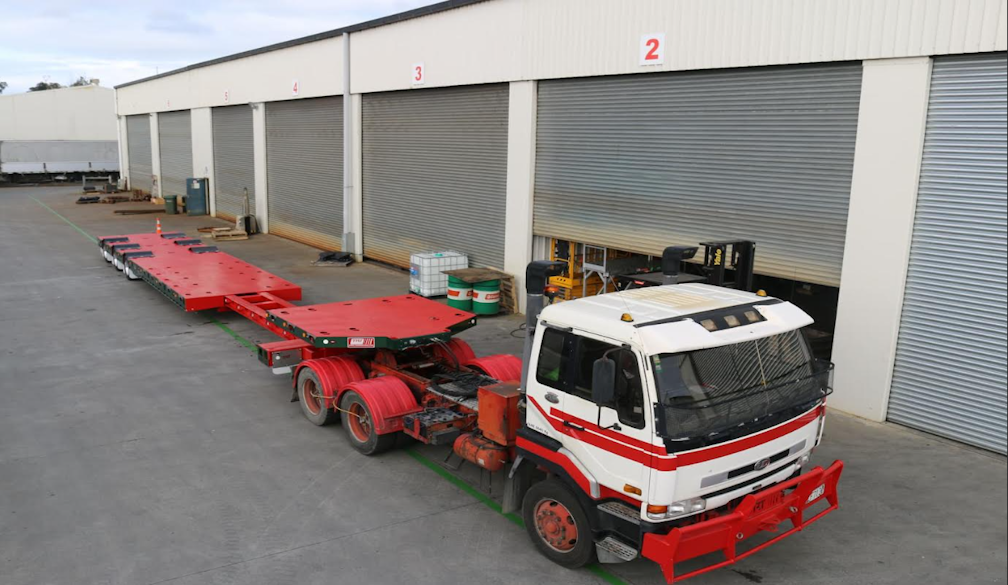
One extra metre of general access length sounds modest. But for drop deck operators, the HVNL changes landing in July 2026 could be the most significant shift in a decade, if you know how to use them.
It's been eight years in the making. The Heavy Vehicle National Law (HVNL) reform package has been argued over, consulted on, and delayed more times than most operators care to remember. But as of mid-2026, the changes are real, they're coming, and one of them deserves more attention than it's been getting in the trailer community: the increase of the general access vehicle length limit from 19 metres to 20 metres.
On paper, it's just a metre. In practice, for operators running extendable drop decks or prime mover and semi-trailer combinations pushing up against the current length ceiling, that single metre could quietly reshape how you configure your fleet, what jobs you take on, and how many permits you're filing each month.
What's Actually Changing and When
The amendments are set to commence on 1 July 2026 under the Heavy Vehicle (Mass, Dimension and Loading) National Regulation Amendment 2025, following the passage of the HVNL Amendment Bill through Queensland Parliament. They apply nationally across all HVNL jurisdictions: New South Wales, Victoria, Queensland, South Australia, Tasmania, and the ACT. Western Australia and the Northern Territory, as always, sit outside the national framework.
The key changes relevant to drop deck operators are:
- General access length limit increases from 19 metres to 20 metres. Any vehicle combination operating under general access, no permit required, no PBS assessment, can now stretch to 20 metres.
- General Mass Limits (GML) increase to align with the current Concessional Mass Limits (CML). This is significant for loaded configurations where payload is constrained by mass rather than length.
- The height limit is set to increase from 4.3 metres to 4.6 metres, pending confirmation of technical analysis, which is another dimension change that affects what drop deck operators can carry without triggering oversize classification.
It's worth noting that B-doubles are not included in the current length increase regulations, though the NTC has flagged they will be considered in future amendments.
The PBS Exit: What It Means in Plain English
Here's where it gets interesting for anyone who has ever wrestled with the Performance Based Standards (PBS) scheme.
Until now, operators wanting to run a combination longer than 19 metres needed to go through the PBS process: an engineering assessment measuring swept path, stability, braking performance, and other safety criteria against defined standards. It's not a quick process, it's not cheap, and for smaller operators, it's often a barrier that makes certain configurations simply not worth pursuing.
From July 2026, 20-metre combinations will effectively exit the PBS scheme from a length perspective. The NTC confirmed this to industry body HVIA, noting that the proposed controls for the new general access 20-metre limit are designed to deliver a similar performance outcome to a PBS Level 1 assessment, without requiring operators to go through the formal process.
In practical terms, if your combination sits at or under 20 metres, you may no longer need a PBS approval purely because of length. That's a meaningful reduction in time, cost, and administrative burden, particularly for operators who've been running configurations just over 19 metres under a PBS Level 1 approval and have found the process more trouble than it's worth.
What Drop Deck Operators Actually Gain
Let's get specific. A standard prime mover coupled with a 45-foot (approximately 13.7 metre) drop deck sits comfortably within current limits. But extendable drop decks, which are increasingly the preferred tool for operators working in construction, mining equipment transport, and renewable energy logistics, regularly push past that threshold when extended.
New extendable models on the Australian market, such as those from Stonestar and Freightmore, can stretch from around 13.5 metres out to nearly 19.7 metres when fully extended. Factor in the prime mover, and you're regularly bumping against, or beyond, the current 19-metre general access limit. That has historically meant either pulling a permit, running a PBS-approved configuration, or limiting the extension of the trailer to stay compliant.
With the limit moving to 20 metres, some of those configurations that previously required permit applications may now qualify for general access. That means:
- Fewer permit applications and the associated lead times, fees, and route restrictions
- More flexibility on short-notice jobs, where there isn't time to wait on a permit approval
- Access to a broader road network without pre-planning a route around permit conditions
- Reduced administrative overhead for fleet managers and owner-operators alike
Some Australian operators are already buying ahead of the shift. TRT manufactures both standard and extendable drop deck trailers in New Zealand, delivering them into Australia with support from their Brisbane team. PBS compliance is available across their range and both models run a tri-axle configuration, the same setup the NTC has used as its swept path benchmark for the incoming 20-metre controls. Operators buying from manufacturers already working within the PBS framework are likely to find the transition to general access operation more straightforward than those running older or non-compliant configurations.
For operators running a handful of extendable drop decks regularly in construction or machinery transport, the cumulative saving in permit costs and dispatch time could be significant over a full year.
The Catch: What's Still Being Worked Out
NatRoad CEO Warren Clark has been measured in his welcome of the HVNL reforms, and for good reason. While the Bill has passed Queensland Parliament, the supporting statutory instruments, covering the detailed regulations on fatigue, mass and maintenance standards, and supporting guidelines, were still being finalised at the time of writing.
"This Bill is a significant step towards modernising Australia's heavy vehicle regulatory framework, however the details operators will rely on are still being developed," Clark said on the Bill's passage.
That ambiguity matters. The length increase to 20 metres comes with new performance controls that must still be confirmed, including the swept path benchmark, roll stability requirements, and how existing PBS-approved vehicles will be treated during the transition. The NTC has indicated these controls are based on PBS Level 1 performance criteria, but the final regulatory language is what operators will actually be measured against.
The timeline is also real. The statutory instruments and regulations were expected to be published in late March or early April 2026. That leaves operators a narrow window to understand exactly what the new rules require before they take effect in July.
NatRoad has committed to running a support program throughout 2026, including compliance checklists, guides, and direct member support, which will be a useful resource for operators trying to get across the specifics before they're caught short.
Should You Be Buying Now or Waiting?
The question that flows naturally from all of this: if you're considering adding an extendable drop deck to your fleet, does the incoming rule change affect the timing of that decision?
There are arguments on both sides.
The case for moving now is straightforward. Demand for drop deck capacity in Australia is tightening. Infrastructure investment is at a cyclical peak, the mining sector is heading into a potential expansion phase, and renewable energy construction is generating consistent work for operators moving oversized components. If you're going to buy an extendable unit, you'll likely put it to work immediately regardless of where the general access limit sits. The 20-metre change simply expands the jobs you can take on without administrative friction.
The case for waiting, or at least for being deliberate, is that the final regulatory controls on 20-metre general access combinations aren't yet locked in. If specific performance requirements apply, such as axle configuration, roll stability systems, or swept path performance, it would be worth knowing those before specifying a new trailer build. Buying a unit that doesn't meet the incoming performance controls would land you back in PBS territory anyway.
For operators already running PBS-approved combinations at or near 20 metres, it's worth talking to your PBS assessor or a transport consultant now about whether your current approval will simply continue under the new framework, or whether there's a transition process to move across to general access operation.
The Bigger Picture
It's easy to reduce the HVNL changes to a list of tweaks. But the shift from 19 to 20 metres, combined with the mass limit increase and the height adjustment, represents a genuine productivity uplift for the part of the industry that moves oversized, indivisible, or heavy freight, which is precisely where drop deck operators sit.
The industry has waited the better part of a decade for this reform package. The NTC's view is that the wait will be worth it once the details are finalised. Operators who understand exactly how the changes apply to their configurations and who are ready to operate at 20 metres from day one will be ahead of competitors who wait for someone else to figure it out first.
One metre. But it's the right metre.
The Heavy Vehicle National Law Amendment is expected to commence 1 July 2026, subject to finalisation of supporting statutory instruments and regulations. Operators should monitor updates from the NHVR and NTC, and consult with their industry association or transport advisor ahead of the commencement date.