Top Questions to Ask Your Solar Installer Before Signing Any Contract
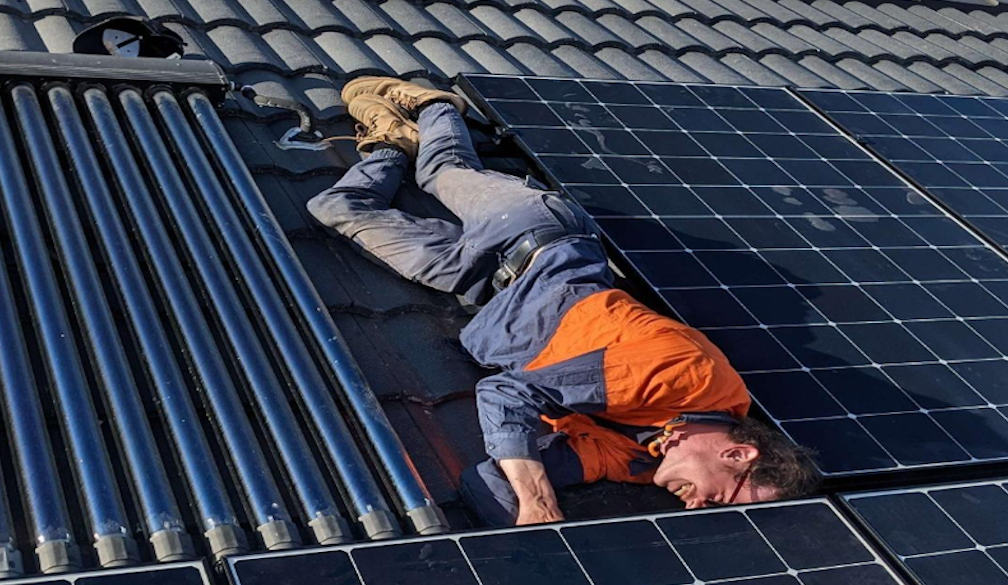
Going solar is one of the smartest investments you can make — but only if you partner with the right installer. Before you put pen to paper, asking the right questions can save you from costly surprises, poor workmanship, and years of regret.
Here are the most important questions every homeowner should ask their solar installer — before signing anything.
1. Are You Licensed, Certified, and Insured?
This is the very first thing you should confirm. A legitimate solar installer must hold a valid electrical contractor's license in your state and carry both general liability and workers' compensation insurance.
Look for NABCEP (North American Board of Certified Energy Practitioners) certification — the gold standard in the solar industry. If an installer hesitates to share credentials, that's a serious red flag. Always verify their license number independently through your state's licensing board.
2. How Long Have You Been Installing Solar Systems?
Experience matters enormously in solar installation. Ask how many residential systems the company has completed and whether they have references you can contact or local installations you can visit.
A company that's been operating for 5+ years with hundreds of completed projects is far more reliable than a brand-new operation — no matter how polished their website looks.
3. What Equipment Brands Do You Use — and Why?
Not all solar panels and inverters are created equal. Ask your installer which brands they recommend, and more importantly, why they prefer them. Reputable installers will happily explain the difference between Tier 1 panel manufacturers and budget alternatives.
Ask specifically about:
- Panel efficiency ratings
- Inverter type (string, microinverter, or power optimizers)
- Warranty terms on equipment vs. workmanship
A quality installer recommends equipment that fits your home's unique needs — not just what gives them the highest margin.
4. What Does the Full Installation Timeline Look Like?
Solar installation involves more than just mounting panels on your roof. There's system design, permit applications, utility interconnection agreements, and inspections — all of which take time.
Ask for a realistic timeline from contract signing to system activation. On average, a residential solar installation takes 4 to 12 weeks from start to finish. Any installer promising something unrealistically fast should raise eyebrows.
5. What Permits and Approvals Do You Handle?
Your installer should manage all permitting and utility approvals on your behalf. This includes building permits, HOA approvals (if applicable), and the grid interconnection application with your utility company.
If an installer asks you to handle permits yourself, walk away. Permit management is a standard part of professional solar installation and protects you legally if issues arise later.
6. What Warranties Do You Offer?
There are three warranties you need to understand clearly:
- Product warranty – covers panel defects (typically 10–25 years)
- Performance warranty – guarantees energy output doesn't degrade too fast (usually 25 years)
- Workmanship/installation warranty – covers the installer's work (typically 5–10 years)
A trustworthy installer — like Winki Energy, known for transparent warranty coverage — will walk you through all three and provide documentation in writing before you sign.
7. How Will This System Affect My Energy Bill?
Ask for a projected energy savings report based on your actual utility bills and roof's solar potential. A good installer uses professional solar design software to model your system's expected output across different seasons.
Be cautious of anyone who gives you round numbers without showing their calculations. Real projections should factor in your local utility rate, time-of-use pricing, net metering policies, and historical sun hours in your area.
8. What Financing and Incentive Options Are Available?
Solar comes with significant financial incentives — but they vary by location and change over time. Ask your installer about:
- Federal Investment Tax Credit (ITC)
- State and local rebates
- Net metering policies in your area
- Financing options — loan, lease, or PPA
Make sure the installer can explain how each option affects your overall cost and long-term return on investment. Never sign a financing agreement you don't fully understand.
9. What Happens After Installation?
Good solar relationships don't end at installation. Ask what post-installation support looks like. Will they provide system monitoring? What's the process if your output drops unexpectedly? How quickly do they respond to service calls?
A reliable installer provides ongoing support, performance monitoring tools, and a clear process for warranty claims — not just a handshake and a goodbye.
10. Can I See References or Reviews From Past Customers?
Any confident, reputable solar installer will gladly point you to verified reviews, case studies, or past customers you can speak with directly. Check Google Reviews, the Better Business Bureau, and platforms like EnergySage for unbiased feedback.
If a company avoids this question or only offers testimonials on their own website, dig deeper before committing.
Final Thoughts
Going solar is a 25-year commitment. The installer you choose will directly impact how much energy you generate, how long your system lasts, and how smoothly problems get resolved along the way.
Take your time. Ask every question on this list. And never let anyone pressure you into signing before you feel fully informed. The right installer will welcome your questions — because they have nothing to hide.
☀️ A little due diligence today means decades of clean, affordable energy tomorrow.