Incidental sun exposure: Three tips on how you can protect yourself this summer
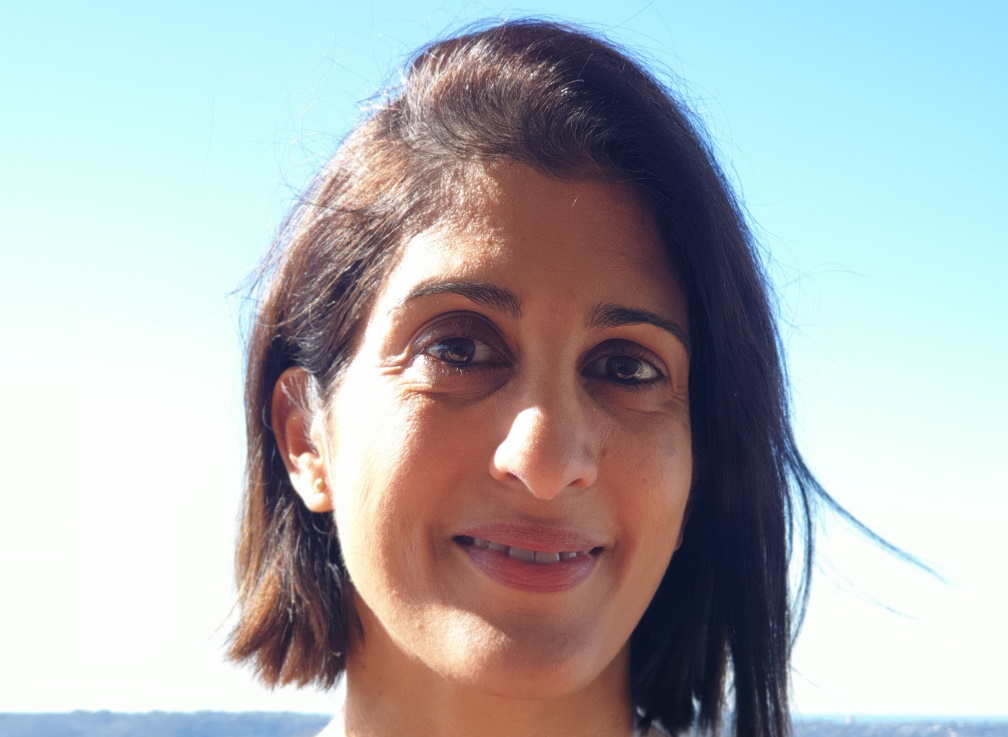
- Written by: Dr Priya Chagan, TAL General Manager Health Services
Two in three Australians will develop skin cancer by the age of 70[1] – but new TAL research[2] reveals most Australians are unaware of just how common skin cancer is in Australia, with more than 7 in 10 (72%) believing the rate of diagnosis is lower.
A lot of sun exposure is ‘incidental’, taking place during those moments in the day when we’re not really conscious of being exposed to the sun. Activities like walking the dog, waiting at a bus stop, driving or even sitting near a window in the office or at home can all result in sun exposure. With 70% of us admitting we don’t use sun protection as often as we should, there’s a great opportunity to help inform more Australians on how small changes can make a big difference to skin health.
Young people spend more time outdoors, with 18–29-year-olds spending more than four and a half hours outside on average a week during the warmer months, making them most at risk of being incidentally exposed to the sun. They are also the least likely to use regular sun protection and get annual skin checks, driving home the need to educate Australians on the importance of daily sun care.
TAL’s General Manager of Health Services, Dr Priya Chagan, has three helpful tips on how we can protect ourselves against incidental sun exposure this summer.
Tip #1. Apply sunscreen every morning – whether you’re planning to spend time outside or not
Rather than just applying sunscreen when out in the sun, it’s important to apply first thing in the morning before getting dressed. The most important areas are the face, neck, chest, arms, and legs – any part of the body that is likely to be exposed to sun throughout the day. Remember incidental sun exposure? Sun protection is important, even if you aren’t spending planned time outdoors.
Sunscreen takes about 20 minutes to sink into the skin and be effective, so applying before getting dressed ensures you’re protected by the time you step out the door to start your day.
Tip #2. Check UV levels and sun protection times for the day
The sun’s ultraviolet (UV) radiation is both the main cause of skin cancer, and the best source of vitamin D. Sensible sun protection does not put people at risk of a vitamin D deficiency, if they limit sun exposure to periods of the day when UV levels are lower.
The UV Index ranges from low (1-2) through to extreme (11 and above) and is measured by the Australian Radiation Protection and Nuclear Safety Agency (ARPANSA) in a location at each of Australia’s capital cities. This data is then made available in real-time each day through the ARPANSA website.
Sun protection times are issued each day by the Bureau of Meteorology when the UV Index is forecast to reach 3 or above, and can be viewed online or via the mobile app. This is the level at which UV can damage your skin and lead to skin cancer. Outside of these times, it’s safe to be exposed to direct sun, however it’s important to plan ahead – apply sunscreen before leaving home, reapply through the day and bring long clothing, a hat and sunglasses if you’re going to be spending time outside as the UV Index begins to climb.
Tip #3. Embrace secondary prevention and learn how to self-check
Unlike other cancers, skin cancer is one that you can typically see. This can be a new spot or an existing freckle or mole changing size, shape or colour over weeks or months.
Regularly checking your own skin can help to maximise the chance of detecting skin cancer early and greatly increases the chance of successful treatment.
Despite the importance of self-checking in early detection, only 36% of Australians know how to self-check their skin.
If you notice any sore, changing, abnormal or new spots during a self-check, it’s important to get these checked by a GP or dermatologist straight away. In addition to self-checking regularly, it is also important to chat to your GP about your risk level of skin cancer and then, when necessary, book a check with your GP, dermatologist, or a skin cancer clinic.
While it is universally recognised that sun safety is important, more than 60% of Australians admit that they often don’t think to protect themselves – so it is more vital than ever to spread the word about sun safety and skin protection in Australia.
To learn how to self-check your skin and book a skin check at your local GP, head to www.tal.com.au/tal-spotchecker. You’ll also find stories of everyday Australians who have experienced skin cancer, along with a range of other invaluable resources to help you prepare your family to be sun savvy this summer.
[1] https://www.cancer.org.au/cancer-information/types-of-cancer/skin-cancer
[2] The survey was conducted by Edentify Pty Ltd on behalf of TAL, in October 2022, with a nationally representative sample of 1,500 respondents in Australia aged 18-65+ years old.