Are Australians Turning Away from Labor and the Greens — and Looking Toward a Nationalist Alternative?
- Written by: The Times
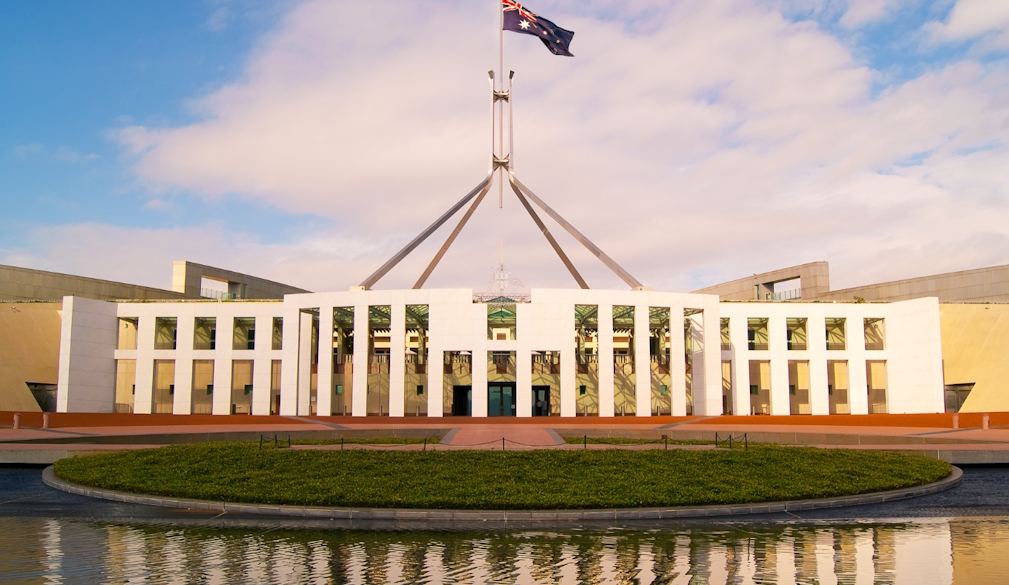
Australia’s political landscape is undergoing a subtle but potentially profound shift. While the nation has long been defined by the contest between Labor and the Coalition, recent polling, election results, and voter sentiment suggest something more complex is emerging: fragmentation, dissatisfaction, and the re-emergence of populist and nationalist alternatives.
At the centre of this conversation is a growing question—are Australians losing confidence in progressive governance under Labor and the Greens, and exploring alternatives rooted in nationalism, economic protectionism, and cultural identity?
A Fragmenting Political Landscape
Recent developments, particularly in the 2026 South Australian election, point to a significant change in voter behaviour.
One Nation’s surge—reaching around 21–22% of the primary vote in some contests—has been one of the most striking political developments in modern Australian politics.
This rise is not occurring in isolation. It is part of a broader trend:
-
Major parties are losing primary vote share
-
Voters are increasingly willing to support minor parties and independents
-
Traditional class-based political loyalties are breaking down
Polling data reinforces this fragmentation. In early 2026, One Nation reached or exceeded 20% support nationally in some surveys—an unprecedented level for the party.
At the same time, Labor continues to lead on a two-party preferred basis, suggesting that while dissatisfaction exists, it has not yet fully translated into a governing alternative.
Economic Pressure: The Core Driver
To understand the shift, one must look beyond ideology and into economics.
Australia is experiencing sustained cost-of-living pressures:
-
Rising energy prices
-
Housing affordability at crisis levels
-
Wage growth lagging inflation
-
Increasing taxation debates
These pressures are reshaping political priorities. In working-class and outer suburban areas—historically Labor strongholds—voters are showing signs of disillusionment.
In South Australia, for example, Labor retained inner-city and higher-income voters, but lost ground in blue-collar and lower-income electorates, where One Nation made significant gains.
This shift reflects a broader realignment seen globally: economic insecurity is overriding traditional party loyalty.
Protest Vote or Ideological Shift?
A critical question remains—are Australians embracing nationalism as a coherent ideology, or simply expressing frustration?
Evidence suggests both dynamics are at play.
Polling indicates that a large proportion of One Nation support is driven by dissatisfaction with major parties rather than detailed policy alignment. In one survey, over half of supporters said they backed the party because they “no longer feel represented.”
This indicates a protest vote phenomenon, but not exclusively.
There are also clear ideological themes resonating with voters:
-
Reduced immigration
-
Stronger national identity
-
Economic protectionism
-
Skepticism toward globalisation
These themes align with broader nationalist movements seen across Europe and parts of the United States.
Labor and the Greens: Perception vs Reality
The claim that “socialism” under Labor and the Greens is failing is politically charged—and contested.
From a policy perspective:
-
Labor has maintained a broadly centrist economic approach
-
The Greens advocate more interventionist policies, particularly on housing, climate, and taxation
However, perception often outweighs policy detail.
Among certain voter groups, there is a growing belief that:
-
Governments are over-regulating
-
Public spending is inefficient
-
Climate and social policies are prioritised over economic outcomes
This perception—fair or not—is politically powerful.
It is particularly strong in:
-
Regional Australia
-
Outer suburban growth corridors
-
Lower-income demographics
These are precisely the areas where One Nation is gaining traction.
The Collapse of Traditional Conservatism
Another key factor is not just dissatisfaction with Labor—but the weakening of the Liberal-National Coalition.
In several recent contests, the Coalition has lost ground not only to Labor, but to minor parties and independents.
This has created a vacuum on the right:
-
Traditional conservatives are fragmenting
-
Voters are exploring alternatives outside the major-party system
-
One Nation is capitalising on this fragmentation
In some polling, One Nation has even rivalled or exceeded the Coalition’s primary vote.
This suggests the issue is not simply “left vs right”—but a broader breakdown of the traditional political duopoly.
A New Political Alignment Emerging?
What may be unfolding is not a simple swing, but a realignment.
Australia could be moving toward a structure seen in parts of Europe:
-
A centre-left bloc (Labor, Greens)
-
A fragmented conservative bloc (Coalition, One Nation, independents)
-
A growing pool of disengaged or swinging voters
This creates volatility—and opportunity.
However, One Nation faces structural challenges:
-
Preference flows still favour major parties
-
Limited organisational depth
-
Questions around policy detail and governance capability
Even with strong primary votes, translating support into seats—and power—remains difficult.
Is Nationalism the Future?
It is too early to conclude that Australians are decisively shifting toward nationalism.
What is clear, however, is:
-
Voter dissatisfaction is rising
-
Economic anxiety is reshaping political priorities
-
Trust in major parties is weakening
Nationalist parties like One Nation are benefiting—but they are not yet dominant.
In many ways, the current moment is less about ideology and more about representation.
Australians are asking:
-
Who understands our economic reality?
-
Who represents our interests?
-
Who is delivering tangible outcomes?
Until those questions are convincingly answered, volatility in the political system is likely to continue.
Conclusion
Australia is not yet abandoning Labor, nor fully embracing nationalist politics. Instead, it is entering a period of political recalibration.
The rise of One Nation and similar movements signals a warning—not necessarily a replacement.
It reflects:
-
Economic stress
-
Cultural unease
-
Institutional distrust
Whether this evolves into a long-term nationalist shift—or dissipates as conditions stabilise—will depend on one central factor:
Which political force can most convincingly deliver economic security and a sense of national direction.