Bitcoin and Australia: The Mystery Currency Many Australians Still Do Not Understand
- Written by: The Times
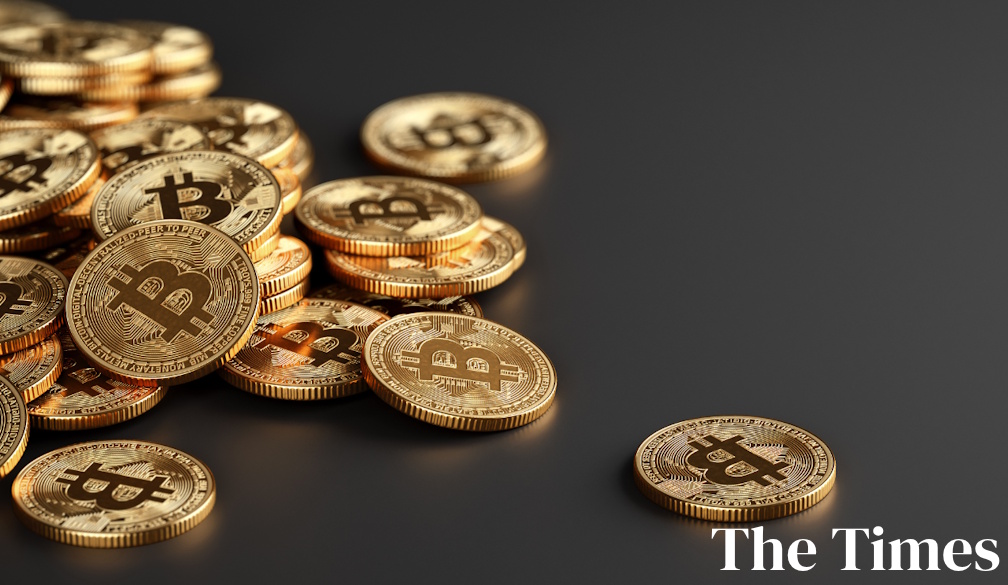
Bitcoin has become one of the most talked about financial assets in the world, yet for many Australians it remains confusing, intimidating and deeply misunderstood.
Some see it as the future of money. Others see it as a dangerous speculative bubble built on hype, fear of missing out and internet culture. Between the extremes are millions of Australians quietly wondering one thing:
What exactly is Bitcoin?
The answer is not always simple.
Bitcoin is a form of digital currency, often called cryptocurrency, that exists entirely online. Unlike the Australian dollar, Bitcoin is not issued by the Reserve Bank of Australia and it is not controlled by any government or central authority.
There are no physical coins or notes.
Ownership is recorded electronically through a technology called blockchain, a public digital ledger that tracks transactions around the world.
Supporters of Bitcoin say this decentralised system is its greatest strength. Critics argue it is also its greatest weakness.
For many Australians, Bitcoin first entered public awareness through stories of enormous profits. Early investors who bought Bitcoin years ago for only a few dollars suddenly became wealthy as prices surged into the tens of thousands of dollars.
That attention fuelled a global wave of speculation.
But the headlines have not all been positive.
Australians have also seen stories of stolen Bitcoin, hacked crypto exchanges, forgotten passwords locking people out of fortunes and investment scams targeting inexperienced buyers.
The cryptocurrency sector has attracted both genuine innovation and outright fraud.
That dual reputation is one reason many Australians remain cautious.
Unlike shares in major companies listed on the ASX, Bitcoin has no board of directors, no physical operations, no earnings reports and no clear method of valuing its “true worth”.
Its price is determined almost entirely by supply, demand and investor sentiment.
That creates dramatic price swings.
Bitcoin has experienced periods where its value surged by thousands of dollars in weeks, only to fall heavily soon after. These fluctuations make many traditional investors uncomfortable.
Australians accustomed to property, bank savings, superannuation and blue-chip shares often struggle with the volatility.
A suburban home may rise or fall gradually over time. Bitcoin can move violently overnight.
Despite the uncertainty, cryptocurrency ownership in Australia continues to grow.
Buying Bitcoin is now relatively easy.
Australians can open accounts with cryptocurrency exchanges using identification documents similar to those required by banks. Funds are transferred electronically, and Bitcoin can then be purchased in fractions, meaning investors do not need enough money to buy a whole Bitcoin.
Some people buy only a small amount to observe how the market works.
Others become long-term holders hoping prices will rise substantially in future years.
Once purchased, Bitcoin is stored digitally in what is known as a crypto wallet.
These wallets may be online, app-based or held offline on specialised hardware devices resembling USB drives.
Security is critical.
If access passwords or recovery phrases are lost, the Bitcoin may become permanently inaccessible. Unlike a bank account, there is usually no customer service department able to restore access.
That reality creates anxiety for many newcomers.
Selling Bitcoin generally involves transferring it back through a cryptocurrency exchange, converting it into Australian dollars and withdrawing funds into a bank account.
Legitimate exchanges operating in Australia now follow anti-money laundering and identity verification requirements, but risks still exist.
Experts consistently warn Australians to research platforms carefully, avoid unrealistic promises and remain cautious of online personalities promoting guaranteed returns.
Scammers continue targeting Australians through fake crypto investment schemes, social media advertising and fraudulent relationship scams involving digital currencies.
The Australian Competition and Consumer Commission has repeatedly warned consumers about cryptocurrency fraud losses reaching millions of dollars annually.
For many Australians, these risks reinforce a preference for more familiar assets.
Property can be seen and touched.
Shares represent ownership in companies with products, staff and financial reports.
Cash held in a bank account feels tangible and stable.
Bitcoin, by contrast, exists largely as code, mathematics and market confidence.
That mystery still creates hesitation.
Yet despite the doubts, Bitcoin refuses to disappear.
Major financial institutions around the world are increasingly acknowledging cryptocurrency markets. Governments continue debating regulation. Younger investors often view digital assets differently from older generations raised in traditional financial systems.
Australia itself faces an important balancing act.
Encouraging technological innovation while protecting consumers from fraud and instability will remain a challenge for regulators and policymakers alike.
For now, Bitcoin remains exactly what many Australians believe it to be:
A fascinating financial revolution to some, a speculative gamble to others and, for millions more, a modern mystery they are still trying to understand.