Sweet Temptation: Should Australia Take a Harder Look at Confectionery?
- Written by: The Times
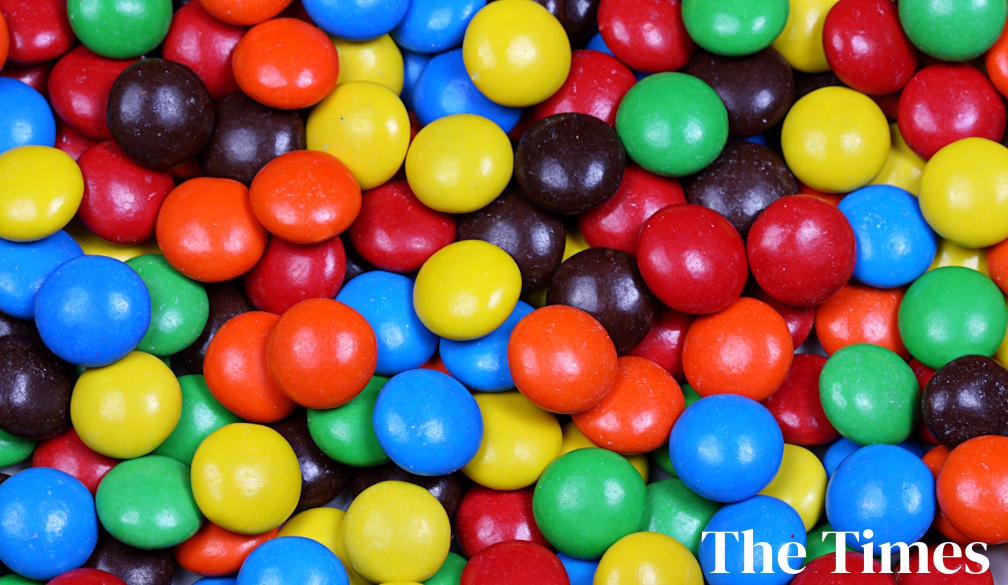
Walk through almost any Australian supermarket and one of the brightest, most colourful sections is often the confectionery aisle. Shelves are lined with chocolates, lollies, gummies, chewy sweets, hard candies and novelty treats, all competing for attention with colourful packaging and clever marketing.
For many Australians, these foods are an occasional indulgence. But nutrition experts continue to warn that when highly processed confectionery becomes an everyday habit, the health consequences can be significant.
Chocolate and confectionery are not the same
Chocolate is often grouped together with lollies, yet nutritionally they are quite different products.
Dark chocolate contains cocoa solids that provide naturally occurring compounds known as flavanols. Research suggests these compounds may contribute to cardiovascular health, improve blood vessel function and offer antioxidant properties when consumed in moderation.
Milk chocolate generally contains far more sugar and fat, while most confectionery contains little beyond refined sugar, flavourings, colours, preservatives and texture-modifying ingredients.
A bag of lollies provides plenty of energy, but very few vitamins, minerals or fibre.
The health concerns
Australian health authorities continue to identify excess sugar consumption as one contributor to a number of chronic health conditions, including:
- Childhood obesity.
- Type 2 diabetes.
- Tooth decay.
- Weight gain.
- Fatty liver disease.
- Increased risk of cardiovascular disease when poor dietary patterns persist over many years.
No single food causes these conditions on its own. However, diets consistently high in added sugars and low in whole foods increase the overall risk.
Children are particularly vulnerable because lifelong eating habits are often formed during the early years.
Marketing to young consumers
Many confectionery products are displayed at children's eye level and feature cartoon characters, collectables and brightly coloured packaging.
Public health advocates argue that these marketing techniques encourage impulse purchases and normalise frequent consumption of foods with very little nutritional value.
Some countries have introduced tighter restrictions on advertising unhealthy foods to children, while Australia continues to debate whether stronger regulation is required.
Should confectionery carry stronger warnings?
Australia already requires nutrition information panels and ingredient lists on packaged foods.
Some health experts argue that products extremely high in added sugar should also carry more prominent front-of-pack health information, similar to warning systems adopted in parts of South America.
Others believe education rather than additional regulation is the better solution, arguing consumers should remain free to make informed choices without excessive government intervention.
The debate continues.
What about soft drinks?
The next aisle may contain another major source of added sugar.
Regular soft drinks can contain around 9–11 teaspoons of sugar in a single 375 mL can, making them one of the largest contributors of added sugars in many diets.
Frequent consumption has been linked with obesity, diabetes and dental disease.
Are diet drinks safer?
Diet and zero-sugar soft drinks replace sugar with low- or no-calorie sweeteners such as aspartame, sucralose, acesulfame potassium or stevia-derived sweeteners.
Food Standards Australia New Zealand permits these sweeteners after safety assessments and within established acceptable daily intake limits.
Current evidence indicates these sweeteners are considered safe when consumed within those regulatory limits.
However, researchers continue to study whether frequent consumption of very sweet-tasting beverages influences long-term appetite, food preferences or metabolic health. While the science continues to evolve, there remains broad agreement that replacing sugary drinks with water is generally the healthiest everyday choice.
Nature's original drink
Water requires no ingredient list.
It contains no sugar, no preservatives, no artificial colours and no sweeteners. It hydrates efficiently and supports virtually every system within the human body.
Most dietitians continue to recommend water as the primary beverage for both children and adults, with sugary drinks and confectionery best viewed as occasional treats rather than everyday staples.
The Times View
Few Australians would argue that chocolate, lollies and soft drinks have no place at all. They are part of celebrations, family gatherings and life's occasional indulgences.
The real question is one of balance.
As rates of obesity and type 2 diabetes continue to rise, consumers are increasingly asking whether supermarket shelves should do more than simply sell products. Better education, clearer labelling and informed personal choices may ultimately prove more effective than additional regulation. Whatever the policy debate, one recommendation remains remarkably consistent across decades of nutritional research: drink more water, eat more whole foods and treat confectionery as exactly what it was always meant to be — an occasional pleasure, not a dietary foundation.