Barbeques Galore collapse - BBQs, branding and the battle for Australia’s backyards
- Written by: The Times
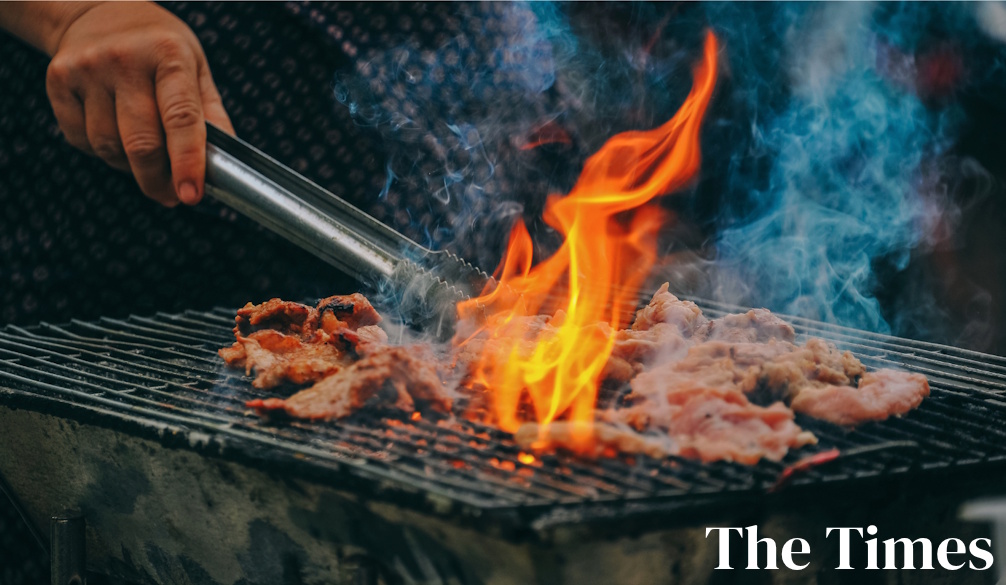
For decades, the Australian backyard barbecue was almost a national institution.
Weekend gatherings, summer cricket, family birthdays and long public holiday afternoons often revolved around a grill. In that environment, specialist retailers once appeared unstoppable.
But the decline of chains such as BBQs Galore tells a larger story about modern Australian retail, global manufacturing and the brutal realities of competing in crowded consumer markets.
The lessons extend well beyond barbecue sales.
They apply to furniture, electronics, homewares, fashion, camping equipment, sporting goods and almost every category where imported products compete on price.
The changing barbecue market
Years ago, specialist barbecue retailers occupied an enviable position. Consumers needed advice, products were relatively expensive, and the range available in department stores was limited.
Today the landscape looks entirely different.
Large hardware chains, online marketplaces, discount retailers and direct-import websites compete aggressively for the same customers. Products that once appeared premium are now sold beside low-cost alternatives manufactured in enormous factories throughout China and other parts of Asia.
Many consumers walk into a store already having researched prices online. Brand loyalty has weakened in many categories. Convenience and price frequently dominate purchasing decisions.
This creates pressure on specialist retailers whose operating costs are far higher than online competitors or mass-market chains.
Retail rents, warehousing, staffing, freight costs and inventory financing all weigh heavily on physical retail businesses in Australia.
The China manufacturing effect
China transformed global retail economics.
Factories capable of producing huge volumes at lower cost changed consumer expectations permanently. Products once considered durable long-term purchases became highly price-sensitive commodities.
A barbecue that once sold primarily on quality and longevity now competes against imported alternatives at dramatically lower prices.
For Australian retailers, the challenge is obvious.
If they source cheaper imported products, they enter a race to the bottom where competitors can often undercut them. If they focus only on premium products, they reduce their customer base during periods of economic pressure.
The middle ground becomes dangerous.
Many retailers become trapped between premium global brands above them and ultra-cheap imports below them.
That commercial squeeze has destroyed countless retail businesses.
Why premium brands survive
While many retailers struggle, brands such as Weber Inc. continue to command strong customer loyalty.
The reason is not simply the product itself.
It is branding.
Weber spent decades building a reputation associated with quality, reliability, cooking performance and status. Consumers do not merely buy a barbecue. They buy confidence in the purchase.
That confidence allows premium brands to charge higher prices while maintaining demand.
Prestige branding creates insulation from pure price competition.
Consumers comparing a no-name imported barbecue with a Weber are not evaluating two equal products in their minds, even if the specifications appear similar.
The premium brand carries emotional value.
It also carries perceived lower risk.
If a customer spends significant money on a barbecue expected to last years, reputation matters enormously.
That is where many generic importers struggle.
The danger of becoming “just another retailer”
One of the harshest realities in Australian retail is that many businesses unknowingly become interchangeable.
If a customer can purchase an almost identical product elsewhere cheaper, the retailer loses negotiating power instantly.
This is particularly dangerous in categories flooded with imported products.
Without exclusive branding, proprietary products or a unique customer experience, retailers become vulnerable to every discount cycle and economic downturn.
Australian consumers have become highly price-aware following years of rising living costs, mortgage pressure and inflation.
That environment favours either:
- The Cheapest Supplier
- The Strongest Brand
- The Most Convenient Seller
Businesses stuck in the middle often struggle the most.
Lessons for Australian businesses
The barbecue retail sector offers broader lessons for Australian entrepreneurs and business operators.
Branding matters enormously
A recognised and trusted brand can survive periods that destroy generic competitors.
Strong branding creates pricing power, customer loyalty and repeat business.
Without it, businesses often compete almost entirely on price.
Cheap sourcing alone is not a strategy
Importing low-cost products may improve margins initially, but competitors can often source from the same factories.
If everyone sells similar products, pricing pressure intensifies rapidly.
Long-term competitive advantage rarely comes solely from importing products cheaply.
Retail property costs remain unforgiving
Large-format retail businesses carry significant overheads.
High rents combined with slower consumer spending can rapidly weaken profitability.
Australian retail is littered with examples of chains that expanded aggressively during stronger economic periods only to struggle later under fixed lease obligations.
Consumers still pay for trust
Australians continue to spend strongly on products perceived as premium, reliable or aspirational.
That is why premium automotive brands, luxury appliances, prestige fashion labels and high-end outdoor equipment still perform strongly despite economic uncertainty.
Trust remains commercially valuable.
Australia is one of the world’s most competitive retail markets
Australian consumers now have access to global marketplaces, international pricing comparisons and direct overseas shipping.
Local businesses compete not only against nearby retailers but often against the world.
That changes the economics of almost every product category.
More than a barbecue story
The challenges facing barbecue retailers reflect something larger happening across the Australian economy.
Cheap imported goods have increased consumer choice and lowered prices, benefiting households in many ways.
But they have also intensified competition to extraordinary levels.
Businesses without a clear identity, strong branding or differentiated products increasingly find survival difficult.
The Australian market remains attractive, but it is no longer enough simply to stock products and open a store.
Modern retail increasingly rewards businesses that create brand value rather than merely distribute goods.
That may be the biggest lesson from the changing barbecue industry.
In the modern marketplace, the product alone is often no longer enough.