Trust, Timing and Transparency: What KPMG's Crisis Reveals About the Real Cost of Reputation Damage
- Written by: Sharon Williams OAM, Founder and CEO of Taurus

KPMG remains a case study in how not to action Crisis Comms.
A crisis at this magnitude affects a global audience and knocks everything from stakeholder confidence and customer loyalty to revenue and long-term growth.
Rule no 1 - My mantra is that effective crisis communication actually begins way before the crisis even hits.
Brands that invest early in building a well-established, consistent reputation give themselves an irreplaceable buffer.
If years have been spent being clear about who a brand is and what they stand for, when a crisis hits that seems out of step with that identity, the public's instinct is to give it the benefit of the doubt.
Public opinion goes into shock or "that doesn't sound like them," or "that's out of character for a company with that track record." They get on side rather than immediately jumping to conclusions to the contrary.
A strong existing reputation, with a clear identity, acts almost like reputational insurance; it doesn't make you immune to scrutiny, but it does mean the damage is far less likely to hit hard, remains more contained, and recovery is faster, because you're not rebuilding trust from zero.
You're drawing down on trust you've already banked beforehand.
That said, leaders must work to present well in the media during an active crisis.
In the instance of KPMG, when reports emerged of potential job cuts and partner pay reductions in the middle of the ongoing whistleblower crisis, this pushed the brand into negative territory. Post the PWC debacle, it would have been a good idea to increase reputation building with strategic campaigns and a good internal audit of crisis potential.
It's a good example of why, in moments like this, a brand needs to present a consistent, well understood and united front.
Doing so helps steady the ship, reduces volatility, and builds trust rather than eroding it further.
Corporate culture is the foundational asset of any organisation, and trust is vital to ensuring longevity through turbulence and the ups and downs of business.
Rule no 2 - Transparency is imperative, full stop.
Situations like the recent falloutis remind us why transparency and consistent effort to build consumer trust are so central to the lead up and weathering of a corporate crisis.
The cornerstone of an effective response is the signal to acknowledge, apologise, signal investigations are at hand, and help limit the spread of misinformation.
I encourage brands to maintain transparency by creating genuinely open communication channels, so feedback can be given freely and acted on.
Doing this shows recognition and empathy on where it went wrong and outlines a path forward. And importantly, even when a leaders don’t have all the answers – as many don’t when a crisis first breaks – it's still worth acknowledging that openly by saying "we understand there are concerns, and we're working through this."
Rule no 3. Visible leadership, backed by real pre-planning, is another important spoke in effective crisis comms.
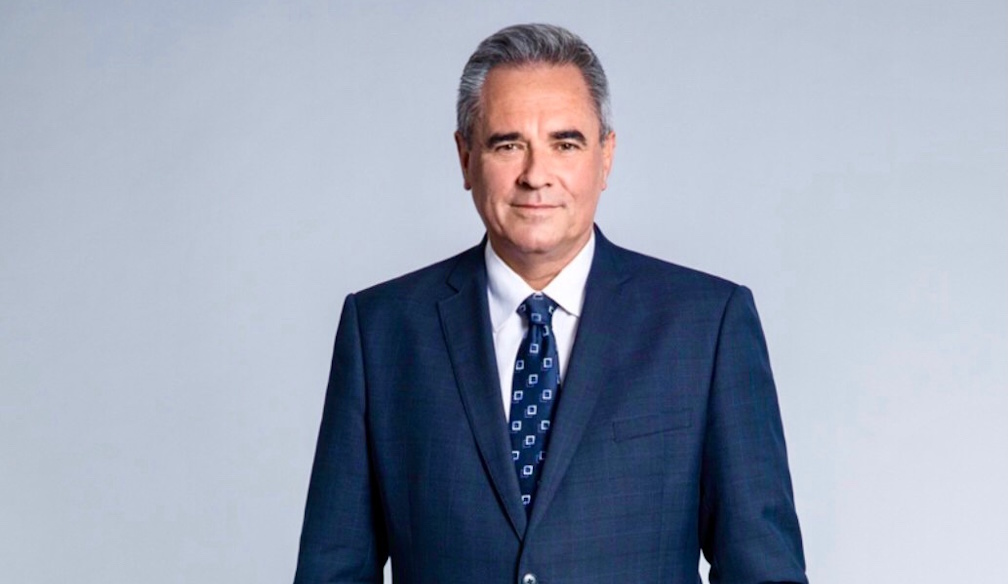
The appointment of John Sams as CEO of KPMG is a step forward in a new phase for the organisation and he now serves as a primary anchor to help navigate ahead. Appointing new leadership signals a brand is entering a new era, one focused on repairing what's been damaged which helps rebuild consumer trust. Fresh leadership plays a key role in restoring confidence.
The interesting factor is that by looking at how high-profile businesses such as KPMG handle a reputational crisis other brands are given an opportunity to learn.
Having dealt with crises like this throughout my career, my advice is consistent: create scenario plans, train your teams, assign clear responsibilities, and continually reassess those plans. Learn from past experience so you stay ready and can adapt as situations evolve.
This is what I call my “silver bucket theory” – when consistent PR and marketing activities accumulate over time to build trust and reputation.
Long-term, that kind of preparedness and initiative to fill the bucket with good positive brand representation is what protects a brand's reputation, both in the moment and for years forward.
Ultimately, every brand will face long-term consequences after a crisis; financial costs, lost consumer trust, and strain on both employee morale and brand image. Rebuilding trust with consumers and other companies takes time and consistent effort.
Accountability, empathy, responsibility, and a clear, actionable plan toward resolution are what prepare a business to face a crisis, ideally long before one ever arrives.
About Sharon Williams OAM
By Sharon Williams OAM, Founder and CEO of Taurus Marketing, and a strategic communications expert specialising in crisis communications, personal branding and reputation management, with a proven track record helping entrepreneurs, high-growth businesses and corporations build powerful brands and protect their reputations. Sharon is a recognised thought leader, speaker and media commentator with expertise that spans PR, branding, digital, crisis communications, investor relations, business strategy and entrepreneurship. Sharon has led award-winning integrated PR and marketing campaigns across her 30 years in business underpinned by her proprietary Taurus Bullseye™ methodology and practical “No Bull” approach. www.taurusmarketing.com.au