Property markets react to budget signals before laws are even passed
- Written by: The Times
Australia’s property market has already begun reacting to the federal budget announcements despite many of the proposed measures not yet becoming law.
Across residential, commercial and industrial sectors, sentiment has shifted. Buyers, investors, developers and agents are responding not only to legislation itself, but to expectations about what may happen next.
In property markets, perception often moves faster than parliament.
Listings rise as owners test the market
One of the clearest trends emerging since the budget announcements has been a rise in property listings across several Australian cities.
Some owners appear eager to sell into what they believe could be a market peak before affordability pressures intensify further. Others are attempting to enter the market before any future regulatory or taxation changes alter investor behaviour.
Agents in Sydney, Melbourne and Brisbane have reported stronger listing volumes compared with earlier periods of uncertainty when sellers preferred to wait.
Higher stock levels are beginning to provide buyers with more choice, particularly in middle-ring suburban markets where competition had previously been intense.
Auction markets show mixed confidence
Auction clearance rates remain relatively resilient but the emotional intensity seen during previous boom periods has softened.
Well-located family homes, renovated properties and prestige residences continue attracting competitive bidding. However, buyers are becoming more selective and increasingly conscious of borrowing costs and ongoing household expenses.
In some markets, properties are taking longer to sell unless priced realistically from the outset.
The budget discussion around housing affordability, supply and taxation appears to have reinforced caution among some purchasers even while underlying demand remains strong.
Australia’s housing shortage has not disappeared, but confidence is no longer universally aggressive.
Apartments regain investor attention
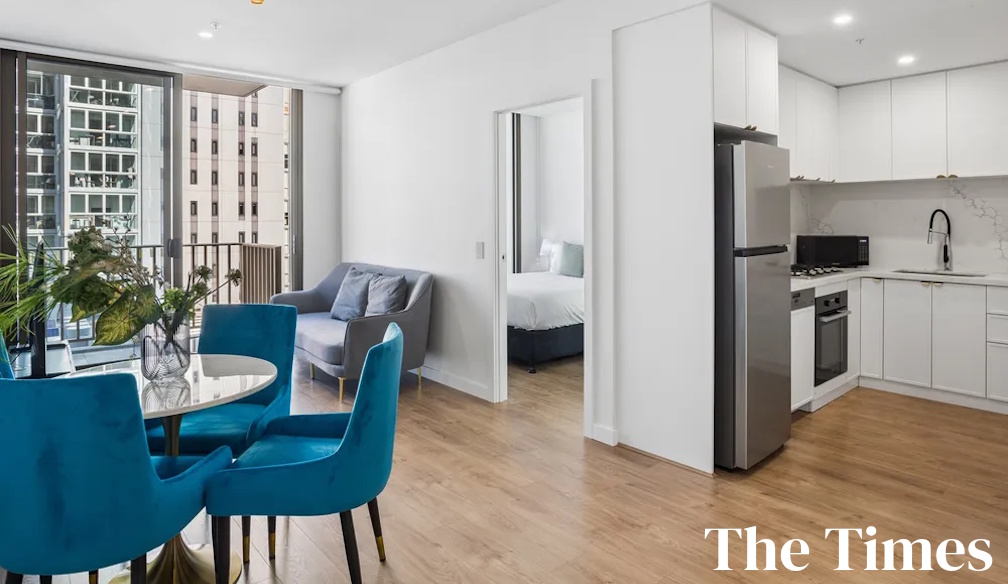
Apartments are once again attracting stronger interest, particularly from investors and first-home buyers priced out of detached housing.
Higher house prices have pushed many Australians toward unit living in inner-city and middle-ring suburbs. Investors are also responding to tight rental markets and historically low vacancy rates in many parts of the country.
Developers continue facing high construction costs, financing pressures and labour shortages, limiting the speed at which new apartment supply can enter the market.
As a result, existing quality apartment stock in major cities is becoming increasingly competitive.
Industrial property remains one of the strongest sectors
Industrial property continues to perform strongly despite broader economic caution.
Warehouses, logistics centres and distribution facilities remain in high demand as Australia’s e-commerce economy expands and businesses seek faster delivery capability.
Large institutional investors continue targeting industrial assets due to long lease terms and relatively stable tenant demand.
Vacancy rates in many industrial precincts remain tight, particularly near ports, airports and major transport corridors.
Even with slower economic growth forecasts, industrial property is still widely viewed as one of the most resilient sectors of the Australian market.
Commercial office markets continue adjusting
The office market remains more complicated.
Premium office space in prime CBD locations continues attracting tenants, particularly businesses seeking quality workplaces to encourage staff back into offices.
However, secondary office buildings and older stock continue facing pressure from hybrid work arrangements and changing corporate requirements.
Some investors are reassessing office exposure altogether, while others see opportunity in discounted assets that may eventually benefit from economic recovery.
The budget conversation around productivity, migration and economic growth has reinforced debate about the future shape of Australian office demand.
Retail property stabilises cautiously
Retail property has shown signs of stabilisation after years of disruption from online shopping and pandemic-era uncertainty.
Neighbourhood shopping centres anchored by supermarkets and essential services continue performing relatively well. Consumers still require convenience-based retail close to home.
Luxury retail precincts in affluent suburbs and tourism centres are also holding up better than some analysts expected, supported by wealthier consumers and international tourism recovery.
Smaller discretionary retailers, however, continue facing pressure from rising business costs and cautious household spending.
Luxury property remains remarkably resilient
Australia’s prestige property sector continues demonstrating resilience.
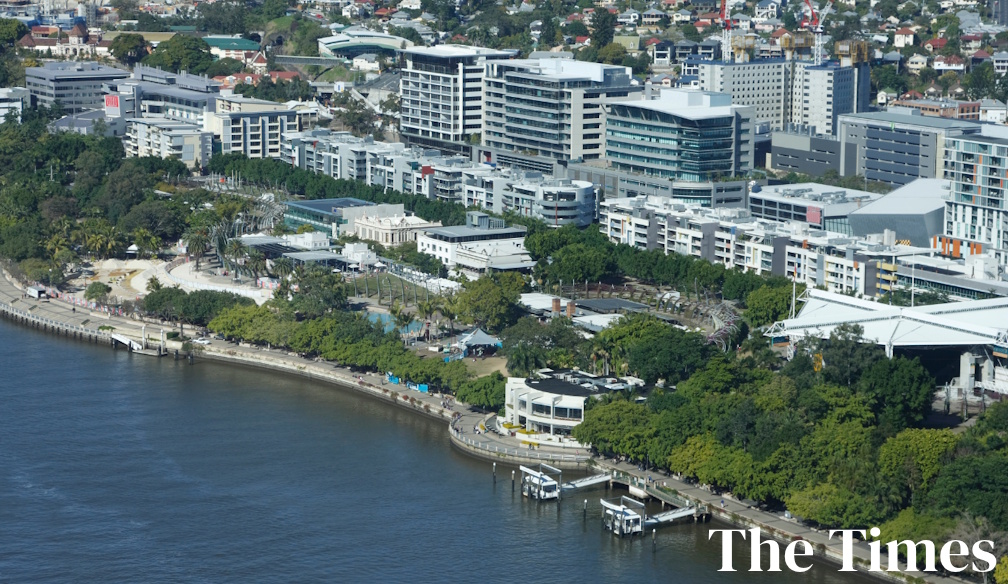
Waterfront homes, premium apartments and trophy residences in suburbs such as Sydney’s eastern suburbs, Melbourne’s bayside precincts, Brisbane riverfront locations and parts of Perth continue attracting wealthy domestic and international buyers.
High-net-worth purchasers are often less sensitive to interest rates and economic uncertainty than average households.
Prestige agents report that scarcity remains one of the key drivers of luxury property values. Unique homes in tightly held locations continue commanding strong prices even as broader affordability concerns dominate national debate.
The market is reacting to expectations
Importantly, much of the current movement is occurring before many budget measures have fully taken effect.
That reflects the psychological nature of property markets.
Developers anticipate policy changes. Investors reposition portfolios early. Buyers rush to secure property before possible future shifts. Sellers attempt to maximise prices while confidence remains intact.
The budget may ultimately become remembered less for the laws it passed and more for the signals it sent.
In Australian property, expectations can shape markets almost as powerfully as legislation itself.