Why Australians need to rethink new apartments after the budget changes
- Written by: Times Media
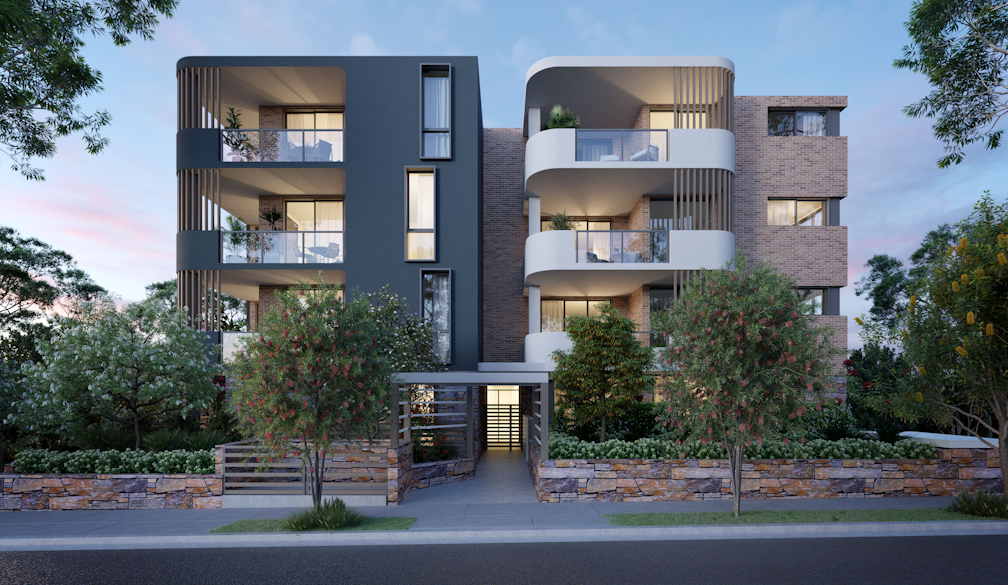
As the Federal Government pushes to accelerate housing supply and incentivise new residential development amid Australia’s housing shortage, industry leaders say New South Wales is better positioned than ever to meet demand following a major transformation of the state’s apartment sector.
For years, NSW faced scrutiny on its building sector focused on defects, delays and poor-quality construction. This climaxed with high profile developments such as Opal Tower at Olympic Park, which led to purchasers avoiding buying new apartments off the plan. However, developers’, insurers and building experts say the industry has undergone significant reform, driven by tighter regulation, independent oversight and higher accountability standards.
The NSW Government implemented the Building Commission of NSW in 2022 to focus on proactive regulation to rebuild trust in the residential construction industry. The introduction of the NSW Building Commissioner reforms and the Design and Building Practitioners Act fundamentally changed how residential developments are designed, constructed and approved, lifting standards across the sector. This shift is reflected in the findings of the 2025 Strata Defects Research report.
Yet despite the reforms, many buyers remain hesitant about purchasing new apartments.
“There’s still a perception in the market that new apartments can’t be trusted, but the reality is the industry has changed dramatically over the past five years,” says George Gadallah, Founder of Princeton Financial Services.
“The standards today are significantly higher; oversight is stronger and there is far more accountability throughout the construction process than there was historically.”
The renewed focus on quality comes as Australia faces mounting pressure to deliver more housing supply, while restoring buyer confidence in higher-density living.
Historically, defects in residential developments have been a significant issue across the industry. The Building Confidence Report estimated defects were costing domestic buildings approximately $714 million nationally, with waterproofing (28%), roof defects (16%) and structural issues (15%) among the most common.
However, industry experts say the regulatory landscape now looks very different.
Under the NSW Building Commissioner’s reforms, developers and builders are subject to significantly greater scrutiny throughout the construction lifecycle, including mandatory declarations, stricter compliance obligations and increased inspections before occupation certificates are issued.
According to building quality specialists SDSS, the impact of independent oversight during construction has been substantial.
“Across more than 4,000 inspection reports and over 200 projects, we’ve seen comprehensive independent oversight reduce defects in completed buildings by more than 90% on a like-for-like comparison,” says Joe Andary from SDSS.
“The industry has shifted from reactive defect management to proactive defect prevention.”
The sector is also seeing increased adoption of latent defects insurance (LDI), which provides long-term protection for structural and major defects, while requiring independent technical inspections throughout the build process.
“Buyer confidence is significantly enhanced when developments are backed by a 10-year latent defects insurance policy,” says Stefan Hicks from SHC Insurance Brokers.
“We’re increasingly seeing purchasers actively ask whether a project has LDI coverage in place because it provides an additional level of assurance around both quality and accountability.”
Unlike traditional defect liability periods or strata bonds, latent defects insurance is designed to provide long-term protection well beyond project completion, with defects often not emerging until years later.
According to SDSS, defects typically begin to surface around year three post-completion and peak between years six and seven.
“The cost of rectifying defects during occupancy can be more than five times higher than if they are identified during construction,” Joe says.
“By implementing independent oversight throughout the build process, many of these issues can be prevented before residents ever move in.”
For Princeton Financial Services, which operates as both a lender and developer, quality assurance has become a core part of the development process.
The business was among the early adopters of latent defects insurance in NSW and incorporates independent oversight throughout project delivery.
“Having visibility across the full lifecycle of a project allows us to identify risks early and ensure higher-quality outcomes. We’re willing to invest in these additional processes because they ultimately protect buyers, investors and the long-term value of the asset.” George says.
This approach was recently demonstrated across Princeton’s entire portfolio of projects including Eurangi Bondi Beach, Marque Rockdale, Seratta at Blakehurst, Baronet & Banks at Botany and The Llewelyn Series at Balmain, of all which are mid-sized residential project in New South Wales.
Princeton’s Managing Director George Gadallah said that “Our Marque Rockdale project achieved its occupation certificate within six weeks of physical completion, significantly faster than typical timeframes, demonstrating how proactive oversight during construction can support both speed and quality outcomes
The shift comes at a critical time for the property sector, as new Federal budget measures continue to encourage investment into newly built housing.
Industry leaders believe the combination of stronger regulation, higher construction standards and additional buyer protections is helping reshape perceptions around apartment living in NSW.
“The conversation around apartments has focused on the failures of the past for a long time,” George says.
“But what’s happening in the industry today is very different. The standards have changed, the oversight has changed and buyer protections have changed.”