Why Are Rents Rising Again? What It Means for Australia's Property Market
- Written by: The Times

For many Australians, the weekly rent has become one of the largest household expenses. Across much of the country, rents have continued to climb, adding further pressure to family budgets and making it harder for first-home buyers to save a deposit.
While the pace of rental growth has eased from the record increases seen in recent years, the overall trend remains upward in many cities and regional centres.
Why are rents increasing?
The biggest factor is simple economics: demand for rental homes continues to exceed supply.
Australia's population has grown rapidly through overseas migration and natural population growth. At the same time, the number of new homes being completed has struggled to keep pace with demand.
Higher construction costs, labour shortages and planning delays have slowed the delivery of new housing, leaving more people competing for a limited number of rental properties.
Higher interest rates have also played a role. Many landlords have faced increased mortgage repayments and higher insurance, maintenance and council costs. While market forces ultimately determine rents, rising ownership costs have added pressure across the sector.
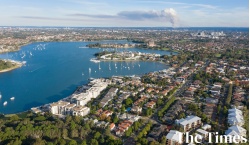
Sydney remains Australia's most expensive rental market
Sydney continues to command some of the highest residential rents in the country.
Strong employment opportunities, continued population growth and limited housing supply have kept demand elevated despite the higher cost of living.
Vacancy rates remain relatively low in many suburbs, giving landlords greater pricing power when leases are renewed.
Melbourne continues to rebound
Melbourne experienced a softer rental market during the pandemic, but demand has strengthened considerably as international students, skilled migrants and workers have returned.
Many inner-city apartments that once struggled to find tenants are again experiencing strong demand, while family homes across established suburbs continue to attract multiple applicants.
Regional Australia remains competitive
The shift towards flexible work has helped many regional centres retain new residents who relocated during recent years.
Lifestyle destinations, coastal communities and large regional cities continue to experience solid rental demand, although conditions vary considerably between locations.
Does higher rent make property a better investment?
Higher rental income can improve the return generated by an investment property, but rent is only one part of the investment equation.
Prospective investors also need to consider:
- Purchase prices.
- Mortgage interest rates.
- Maintenance and repair costs.
- Insurance premiums.
- Council rates and land tax.
- Vacancy periods.
- Tax obligations and future capital gains considerations.
A property with strong rental returns may not necessarily deliver the best long-term investment outcome if purchase prices stagnate or ongoing costs rise significantly.
Looking ahead
Australia's rental market is likely to remain under pressure until housing supply catches up with demand. Governments are encouraging more housing construction, but major residential developments take years to plan and complete.
For tenants, affordability remains a significant challenge. For investors, rising rents may improve cash flow, but successful property investing still depends on careful research, realistic expectations and a long-term perspective.
The Australian property market has always moved in cycles. Today's higher rents may improve investment returns, but they also highlight a broader issue: Australia needs more homes if it is to restore balance between landlords, tenants and aspiring homeowners.