People trust podcasts more than social media. But is the trust warranted?
- Written by: Jason Weismueller, Lecturer, UWA Business School, The University of Western Australia
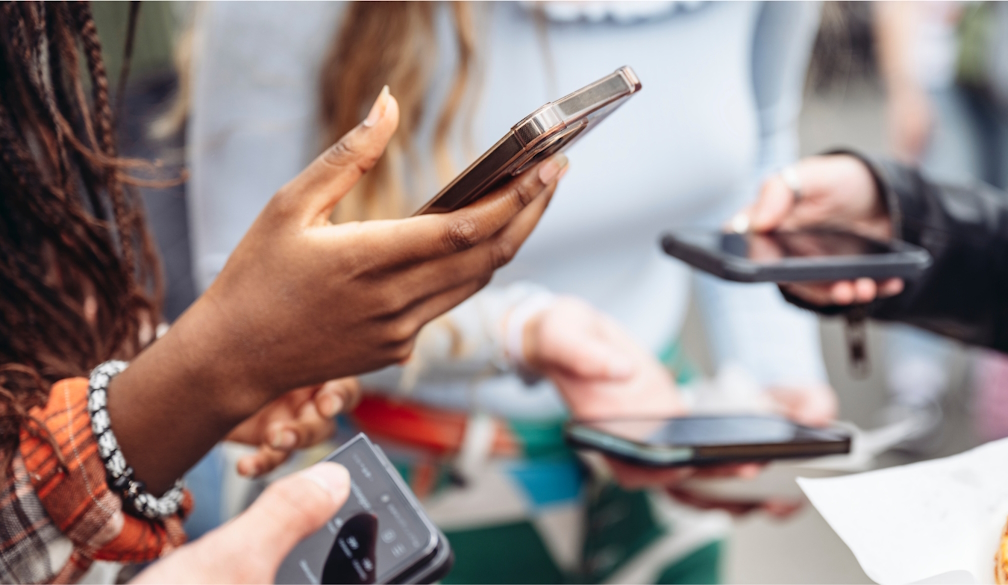
There’s been a striking decline in public confidence in social media platforms, according to the 2025 Ethics Index[1] published by the Governance Institute of Australia. One in four Australians now rate social media as “very unethical”.
This is consistent with other reports on Australian attitudes towards social media. For example, the Digital News Report 2025[2] similarly identified widespread concern about misinformation and distrust in news shared on social media.
And such distrust isn’t limited to Australia. The sentiment is evident worldwide. The 2025 Edelman Trust Barometer[3], based on an annual global survey of more than 30,000 people across 28 countries, reports a decline in trust in social media companies.
So where does this negativity come from? And are other ways of consuming information online, such as podcasts, any better? Podcasts are booming in Australia and around the world, and are often perceived much more positively than social media.
Let’s look at what the evidence says about the impacts of social media, what it does and doesn’t yet tell us about podcasts, and what this reveals about the need for accountability across digital platforms.
Where does this distrust stem from?
While social media has enabled connection, creativity and civic participation, research also highlights its downsides.
Studies have shown that, on certain social media platforms, false and sensational information can often spread faster than truth[4]. Such information can also fuel negativity and political polarisation[5].
Beyond civic harms, heavy social media use has also been linked to mental health challenges[6]. The causes are difficult to establish, but studies report associations[7] between social media use and higher levels of depression, anxiety and psychological distress, particularly among adolescents and young adults.
In 2021, Frances Haugen, a former Facebook product manager, made public thousands of internal documents[8] that revealed Instagram’s negative impact on teen mental health. The revelations triggered global scrutiny and intensified debate about social media accountability.
Whistleblowers such as Haugen suggest social media companies are aware of potential harms, but don’t always act.
Read more: Facebook data reveal the devastating real-world harms caused by the spread of misinformation[9]
Podcasts have a much better reputation
In contrast to social media, podcasts appear to enjoy a very different reputation. Not only do Australians view them far more positively[10], but podcast consumption has significantly increased[11] over the years.
More than half of Australians over the age of ten engage with audio or video podcasts on a monthly basis[12]. It’s not surprising that the 2025 Australian election[13] saw political leaders feature on podcasts[14] as part of their campaign strategy.

Why are podcasts so popular and trusted? Several features may help explain this.
Consumption is often more deliberate. Listeners choose specific shows and episodes instead of scrolling through endless feeds. Podcasts typically provide longer and more nuanced discussions compared with the short snippets served by social media algorithms.
Given these features, research suggests podcasts foster a sense of intimacy and authenticity. Listeners develop ongoing “relationships” with hosts[15] and view them as credible, authentic and trustworthy.
Yet this trust can be misplaced. A Brookings Institution study[16] analysing more than 36,000 political podcast episodes found nearly 70% contained at least one unverified or false claim. Research also shows political podcasts often rely on toxic or hostile language[17].
This shows that podcasts, while often perceived as more “ethical” than social media, are not automatically safer or more trustworthy spaces.
Rethinking trust in a complex media environment
What’s clear is that we shouldn’t blindly trust or dismiss any online platform, whether it’s a social media feed or a podcast. We must think critically about all the information we encounter.
We all need better tools to navigate a complex media environment. Digital literacy efforts must expand beyond social media to help people assess any information, from a TikTok clip to a long-form podcast episode.
Read more: Critical thinking is more important than ever. How can I improve my skills?[18]
To regain public trust, social media platforms will have to behave more ethically. They should be transparent about advertising, sponsorships and moderation policies, and should make clear how content is recommended.
This expectation should also apply to podcasts, streaming services and other digital media, which can all be misused by people who want to mislead or harm others.
Governments can reinforce accountability through fair oversight, but rules will only work if they are paired with platforms acting responsibly.
Earlier this year, the Australian government released a report that argued social media platforms have a “duty of care”[19] towards their users. They should proactively limit the spread of harmful content, for example.
A healthier information environment depends on sceptical but engaged citizens, stronger ethical standards across platforms, and systems of accountability that reward transparency and reliability.
The lesson is straightforward: trust or distrust alone doesn’t change whether the information you receive is actually truthful – particularly in an online environment where anyone can say anything. It’s best to keep that in mind.
References
- ^ 2025 Ethics Index (www.governanceinstitute.com.au)
- ^ Digital News Report 2025 (www.canberra.edu.au)
- ^ 2025 Edelman Trust Barometer (www.edelman.com)
- ^ can often spread faster than truth (doi.org)
- ^ negativity and political polarisation (doi.org)
- ^ linked to mental health challenges (theconversation.com)
- ^ studies report associations (doi.org)
- ^ made public thousands of internal documents (socialmediavictims.org)
- ^ Facebook data reveal the devastating real-world harms caused by the spread of misinformation (theconversation.com)
- ^ far more positively (www.governanceinstitute.com.au)
- ^ podcast consumption has significantly increased (theconversation.com)
- ^ on a monthly basis (www.edisonresearch.com)
- ^ 2025 Australian election (www.abc.net.au)
- ^ feature on podcasts (theconversation.com)
- ^ ongoing “relationships” with hosts (doi.org)
- ^ Brookings Institution study (www.brookings.edu)
- ^ toxic or hostile language (arxiv.org)
- ^ Critical thinking is more important than ever. How can I improve my skills? (theconversation.com)
- ^ that argued social media platforms have a “duty of care” (theconversation.com)